
Computerised foot examination

Computerised foot examination

Computerised foot testing using a specialised mat is an innovative diagnostic method that allows the distribution of foot pressure on the ground to be accurately analysed. By using a special mat equipped with pressure sensors, it is possible to determine precisely how the feet work when walking and standing. This examination is painless and non-invasive, and the results can help in the selection of appropriate orthopaedic shoes or orthotics. In addition, computer analysis of the feet can be helpful in planning rehabilitation therapy and in assessing the progress of treatment. This is a modern approach to orthopaedic diagnosis that can significantly improve patients' comfort and quality of life.

The foot examination is a key part of the diagnosis in patients struggling with pain in the ankle, knee, hip and spine joints. Problems with the musculoskeletal system often originate from incorrect foot alignment, leading to overload and postural defects. Early detection of these abnormalities can prevent more serious conditions such as scoliosis, especially in adolescents. The feet act as the foundation for the entire body, so a careful analysis of them can help to identify the causes of pain.

Examining the feet on a subarometry mat allows us to detect many changes in our body, such as:

Postural defects

Flat feet (longitudinal and transverse), knee valgus, hollow foot.

Footload asymmetry

excessive strain on one side of the body

Incorrect way of walking

shortening the stride, avoiding putting weight on the affected leg.

Balance problems

difficulty in maintaining stability while standing or walking.

Overload changes

excessive strain on specific areas of the foot, which can lead to pain, corns, calluses or heel spurs.

The examination can be carried out in people of all ages. In children, it helps to assess foot development and detect early postural defects, and in seniors, to improve stability and reduce the risk of injury. Pregnant women can also benefit from the test, especially if they experience back pain or changes in gait due to increased body weight. The analysis carried out on the subarometry mat helps determine the source of the pain. On this basis, the specialist can suggest effective treatment, such as individual orthotics, corrective exercises or physiotherapy. In this way, the strain on the painful areas can be reduced and daily life can be made more comfortable.

Starosłowiański masaż brzucha to inaczej terapia wisceralna

Take the first step towards better health!

Make an appointment for a computerised foot examination and discover how you can improve your quality of life.

Why choose our services?

  • We use state-of-the-art diagnostic technology to ensure precise results.
  • Our team are experienced professionals who will help you find the best solution to your problems.
  • We offer comprehensive care - from diagnosis to therapy to prevention.

FAQ

What is a computerised foot examination?

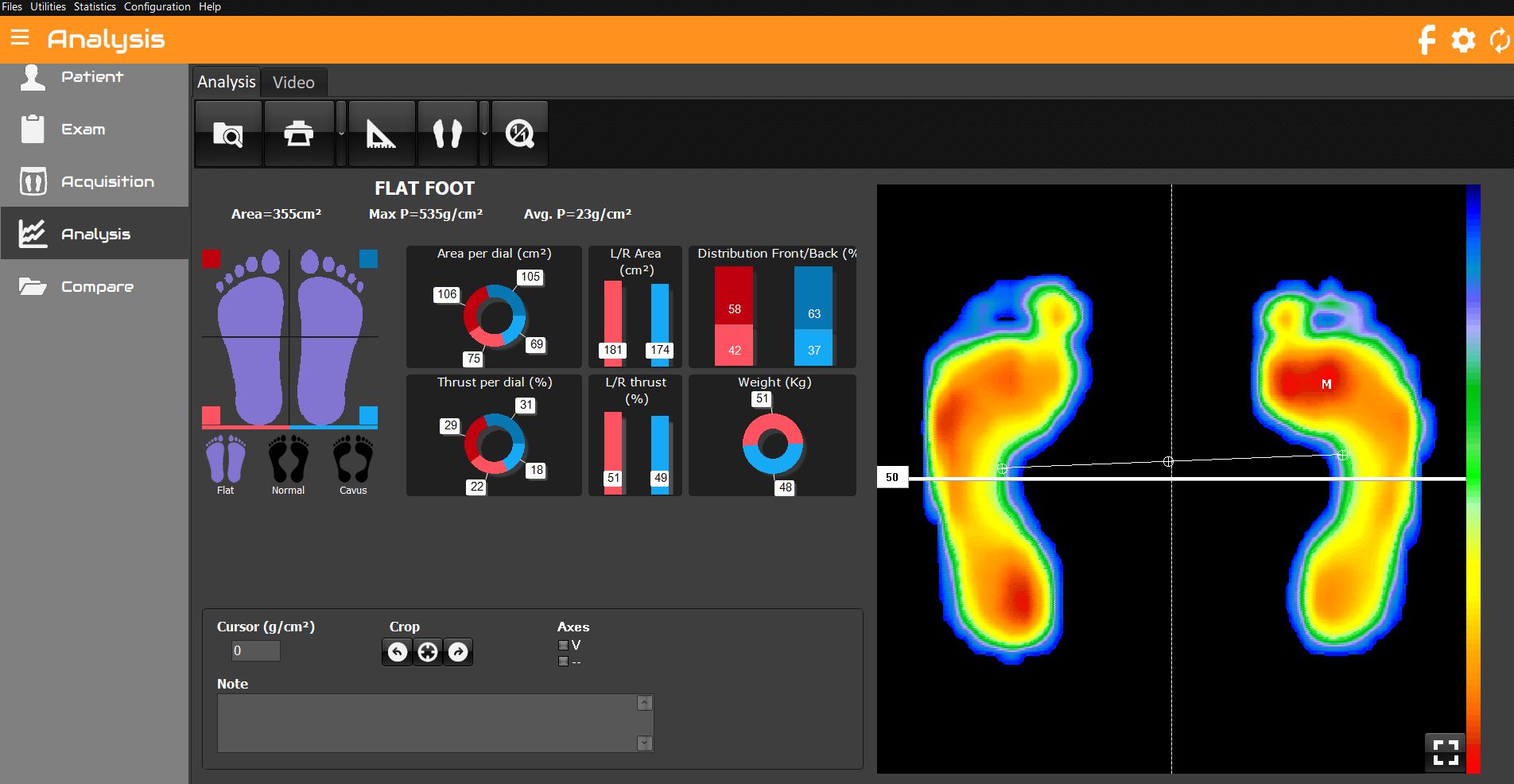
The subarometry mat test (computerised foot test) involves a detailed analysis of the distribution of foot pressure on the ground. A special mat equipped with pressure sensors records every point of contact between the foot and the ground, both when standing and walking. This data is sent to a computer, which creates an image showing the forces acting on the different areas of the feet, analysing the body's balance and the way it moves.

Is the examination painful or unpleasant?

No, the examination is completely painless and safe. It involves natural movements such as standing, walking or standing on one foot. The subarometry mat acts as a flat device on which you stand barefoot, so there is no discomfort.

How long does the study take?

The duration of the examination is approximately fifteen to thirty minutes. This depends on the type of analysis the specialist performs. Additional tests, such as gait analysis or dynamic balance assessment, may increase the examination time, but the standard procedure usually takes a short time.

Do I need to prepare specially for the test?

No special preparation is necessary. All you need is a comfortable outfit that allows you to move freely. Before the examination, shoes and socks should be removed so that your feet can freely touch the surface of the mat.

Can I do the test in normal shoes or do I have to be barefoot?

The examination is only performed barefoot, as precise analysis requires direct contact between the feet and the mat. In footwear, pressure distribution and foot biomechanics cannot be accurately assessed.

Can the test be performed on children, seniors or pregnant women?

Yes, the examination is safe for any age group. In children, it helps to assess foot development and detect early postural defects, and in seniors, it helps to diagnose changes due to age. Pregnant women can also benefit from the examination, especially if they experience back pain or changes in gait due to increased body weight.

What exactly does a computerised foot examination reveal?

The subarometry mat records and analyses:

  • distribution of foot pressure on the ground,
  • load asymmetry between the right and left sides,
  • the way the feet are placed when walking,
  • body balance,
  • the presence of biomechanical defects such as flat feet or knee valgus,
  • overstressed areas that may cause pain or deformities.
Can the test be performed if I have foot, knee, hip or back pain?

Yes, this is one of the main indications for this examination. Many complaints of joint or spinal pain are due to abnormal pressure distribution or postural defects. A computerised foot examination helps identify the cause of the problem so that appropriate treatment or therapy can be selected.

Are the results of the study immediately available?

Yes, the results are available immediately after the examination. The specialist discusses them on the spot, explaining the significance of each parameter and suggesting further steps, such as the selection of orthotics or therapy.

Will the test help treat my pain or discomfort?

Yes, the analysis carried out on the subarometry mat helps to determine the source of the pain. On this basis, the specialist can suggest effective treatment, such as individual orthotics, corrective exercises or physiotherapy. In this way, the strain on the painful areas can be reduced and daily life can be made more comfortable.

Will the examination detect postural defects such as flat feet, valgus knees or differences in leg length?

Yes, the test detects with great precision:

  • Flat feet: analysis shows reduced height of the foot arch.
  • Knee valgus: differences in pressure distribution on the inner and outer parts of the feet.
  • Differences in leg length: evident through asymmetry of body load and changes in walking patterns.
Does the study improve my daily comfort, e.g. with prolonged walking or standing?

Yes, the results of the study help in the selection of orthotics and therapy, which significantly improves comfort in everyday life. They reduce stress on the joints and spine, improve balance and the way you walk, which you will particularly feel when standing or walking for long periods.

Good to know

FIZJGuide

Computerised foot examination also for runners

Computerised foot testing is a key step for runners who want to improve their performance and minimise the risk of injury. Through a precise analysis of pressure, posture and foot biomechanics, any imbalances or postural defects can be identified. The results of the examination allow the selection of ideal orthopaedic insoles and running shoes that provide optimal support and cushioning. This not only improves running comfort, but also reduces strain on joints and tendons. Regular examinations also allow changes to be monitored and recommendations to be adjusted, helping to maintain foot health and achieve better athletic performance.

Scroll to top