
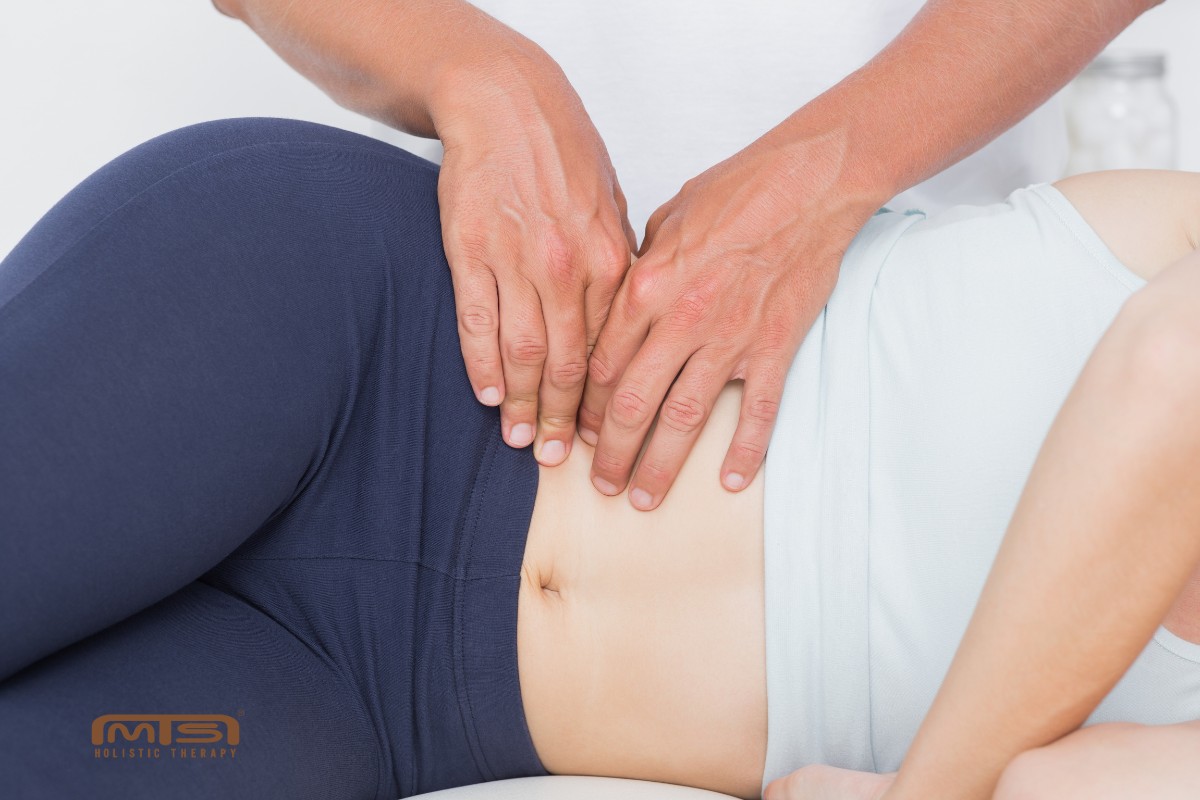
Patients often say that 'something is holding' inside, as if the pelvis is fastened with a belt that is too tight. A blocked pelvis can result from excessive tension in the pelvic floor muscles, fascial restrictions and abdominal organ reactions to stress, constipation, inflammation or scarring from surgery. The body then triggers a protective mechanism - it stiffens the area to 'not irritate' the tissues. How do you know what is really blocking movement and what to do about it?
What can block pelvic mobility?
The musculoskeletal system and the viscera are one web of tension. When breathing is shallow, the diaphragm does not cooperate with the pelvic floor, intra-abdominal pressure increases and it is easier to have a 'wedge' feeling in the sacrum. Hypertonus of the pelvic floor closes the sacrum and the sacroiliac joints cease to resiliently carry the load. The blocked pelvis is often aggravated after prolonged sitting, when running 'on the presser' and when holding one's breath while lifting. Added to this are scars from CC, appendectomy or laparoscopy - poorer tissue glide provokes compensations that hold the pelvis like a seat belt. Even limited rib mobility can indirectly support a locked pelvis because the body chooses a stiffer, 'safe' pattern.
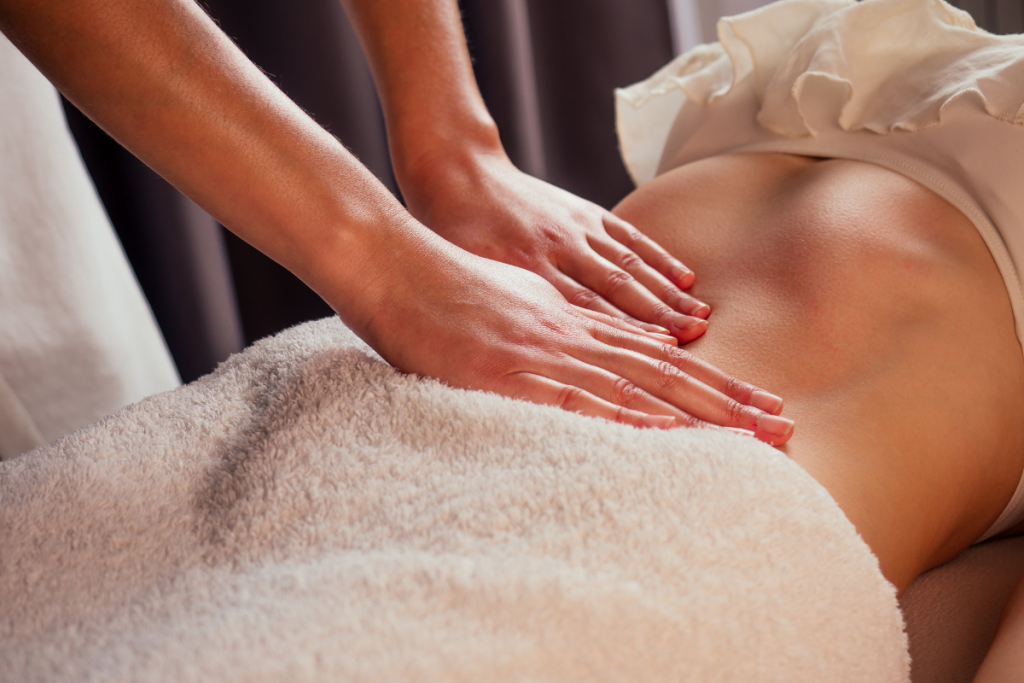
Visceral therapy is a manual method that helps release tension in the pelvic area, improves pelvic mobility, harmonises internal organ function and supports correct posture.
What symptoms suggest visceral links?
If the stiffness increases after meals, during menstruation, with constipation or when pushing to urinate, it is a visceral clue. A blocked pelvis can then give a thrusting pain in the sacrum, groin, pubic conjunctiva area, and a pulling sensation in the abdominal fossa. Non-infectious pushing, dyspareunia, a 'ball' feeling in the anus, symptoms that are variable throughout the day and reactive to stress are common. The fascia surrounding the bowels, bladder and uterus connects to the diaphragm and pelvis, so irritation of the organs causes reflex muscle tension. It's like a handbrake - needed in an acute episode, but chronically it creates a blocked pelvis.
What does the physiotherapist examine and how does it work?
The approach is systemic, but the interventions are clearly defined. First we rule out red flags, then we combine symptom patterns with movement, breathing, scar and visceral tests. A blocked pelvis gets a specific plan, not incantations.
- Functional intelligence
Onset of the problem, aggravating factors, nature of the day, cycle, activity. - Red flags
Fever, weight loss, neurological symptoms, bleeding. - Respiration and intra-abdominal pressure
Diaphragm work, movement of the ribs, pressing habit. - Hip joints
Ranges, rotations, load transfer in gait. - Palpation of the shells and visceral tests
Bowel glide, mesentery, bladder, ligaments. - Pelvic floor
Tension, coordination with breathing; internal examination with consent. - Scars
Mobility, sensation, soreness; work that relieves pressure on the movement path. - Neurodynamics
Labral nerve, obturator nerve, sciatic nerve - hypersensitivity of the ducts. - Therapy plan
Priorities, measurable goals, pain education and exposure to movement. - Self-therapy
Relaxation positions, bowel toilet, exercise and sleep hygiene.
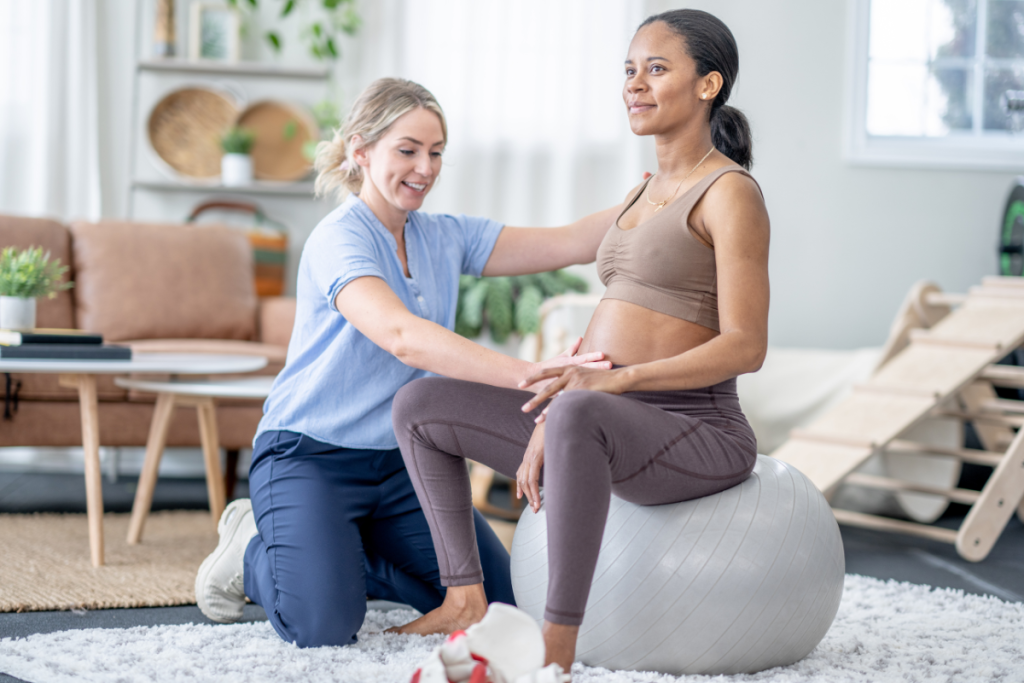
Urogynaecological physiotherapy focuses on working with the pelvic floor muscles, improving their flexibility and coordination, reducing pain and supporting the proper functioning of the pelvic organs when there is a blockage.
The role of visceral and urogynaecological therapy - when a blocked pelvis makes life difficult
Visceral therapy involves working on the sliding between the organs and the shells and normalising their suspensions. With painful menstruation, we combine mobilisation of the uterus and sacro-uterine ligaments with breathing training and pelvic floor relaxation. With flatulence and constipation, we mobilise the cecum, sigmoid colon and diaphragm, and the patient learns calm bowel movement. Urogynaecological therapy addresses incontinence, pushing and pain during intercourse - teaching precise relaxation, correct tension and coordination with breathing. Plus scar work, neuromobilisation of the vulvar nerve, graded exposure to rotation and flexion without crowding. The result is fewer episodes in which the locked pelvis 'snaps' the movement, more tolerance for daily activity.
FAQ
Yes. Constipation, SIBO, post-operative adhesions limit sliding and increase protective tension.
No. A blocked pelvis is usually a dysfunction and dysregulation, not a structural failure.
Varies. When stress and shallow breathing predominate - faster; with scarring and bowel dysfunction - longer. A blocked pelvis improves with consistency.
Yes, while it is important to remember that a blocked pelvis does not like ripping and holding breath.
When there is fever, weight loss, bleeding, sudden severe pain, sensory disturbances or difficulty urinating/stool - here a blocked pelvis is not an explanation, but an alarm signal.



