
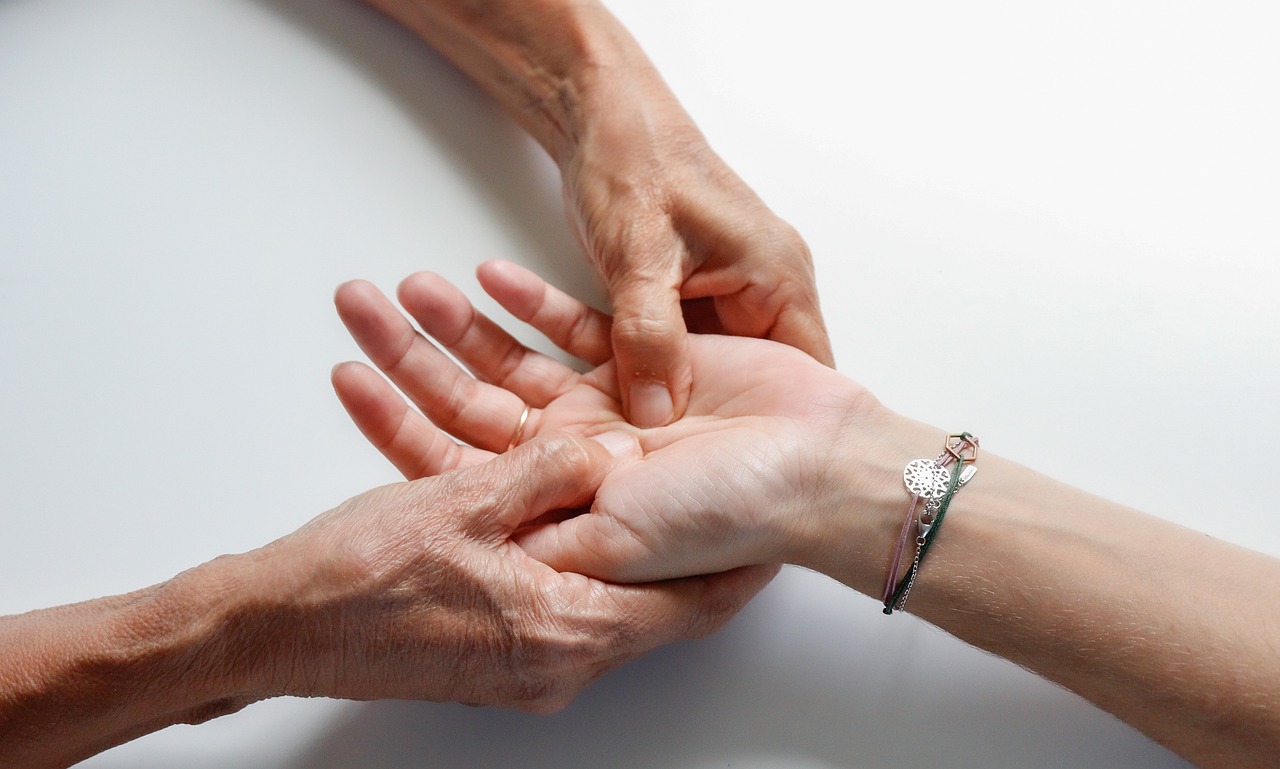
The human hand is made up of many muscles, nerves, bones and ligaments. Hand injuries can occur in patients of all ages. Failure of treatment and rehabilitation can lead to disability in the hand.
Wrist injuries are some of the most common hand health problems. Even a minor fall can dislocate or fracture the wrist and limit its mobility. The wrist is made up of eight bones and is ranked as one of the most complex joints in the human body.
Damage to the triangular cartilage complex
The causes of damage to the triangular cartilage complex are sometimes degenerative and traumatic. Patients experience pain in the wrist on the ulnar side and it is often accompanied by a popping sound - even with slight hand movement.

De Quervain's disease
De Quervain's disease is an inflammation of the tendon of the long thumb adductor and short thumb extensor muscles. It manifests itself by severe pain in the wrist and thumb, especially on extension and retraction, as well as swelling and redness. Often the condition is related to overloading of the hand.
Ganglion
A ganglion is a gelatinous cyst that forms in the wrist area and is filled with fluid. It is most common in patients between 20 and 40 years of age. It often grows to a considerable size and causes muscle weakness, sensory disturbances and intractable pain in the wrist. The formation of a ganglion can be favoured by overload, microtrauma and inflammation.
Hand injuries - Sprains
They are caused by a sudden movement of the joint. Combined with a tear of the joint capsules and ligaments, they can be much more serious. They manifest as swelling, pain and restricted movement.
Hand injuries - Dislocations
Dislocation of the joints of the bones of the fingers and wrist is caused by the displacement of the bones in the joint capsule or by the bone falling out of the capsule. The pain and swelling in a dislocation is greater than in a sprain. Sometimes there is also a haematoma.
Hand injuries - Fractures
A bone fracture can occur anywhere. It is accompanied by severe pain and swelling. With a closed fracture, the skin remains intact. In contrast, with an open one, the bone tears the skin and bleeding occurs.
Carpal tunnel syndrome
Carpal tunnel syndrome occurs in 1 per cent of the population and belongs to the compression neuropathies. It is a consequence of severe compression of the median nerve. It is favoured by rheumatic diseases and certain monotonous movement habits of the hand associated with, for example, the use of a computer mouse. It is also caused by trauma. Patients experience tingling, numbness in the fingers and pain in the wrist, muscle weakness in the thumb and sensation in the fingers.
Skier's thumb
Skier's thumb is an injury that can also be contracted in sports other than skiing. It is particularly dangerous for goalkeepers or volleyball players. The ailment also occurs after a fall on an MTB bike, where the thumb can get stuck behind the handlebars. The injury involves partial or complete rupture of the ulnar collateral ligament at the metacarpophalangeal joint due to a fall on an upright thumb. Symptoms include pain at the base of the thumb, swelling and bruising, redness, tenderness, weakness of the thumb grip, pain in the thumb during movement and inconvenience in performing activities such as holding a pen or unscrewing a jar.
Numb fingers
Numbness in the fingers is often underestimated, but it can sometimes signal changes, indicating a developing disorder. Numb fingers manifest as tingling, a feeling of internal vibration, pinching and significant coldness with sensory disturbance. If this dysfunction is not caused by a prolonged position favourable to nerve compression, it may be characteristic of a systemic disease of the body or be a symptom of a so-called peripheral neuropathy, as well as a vitamin or mineral deficiency.
Hand and wrist rehabilitation
In the case of a sprain, patients should consult a specialist and have an X-ray taken. On the other hand, in the case of a sprain or fracture, they must make a compulsory visit to the doctor. Failure to undergo treatment and rehabilitation may aggravate the injury and cause more pain. The hand must be relieved and immobilised after the injury. In the case of wrist fractures, immobilisation often lasts for several weeks in a hand orthosis.
In addition to the orthoses themselves, physiotherapy treatments such as magnetic fields and laser therapy and properly selected exercises.



