
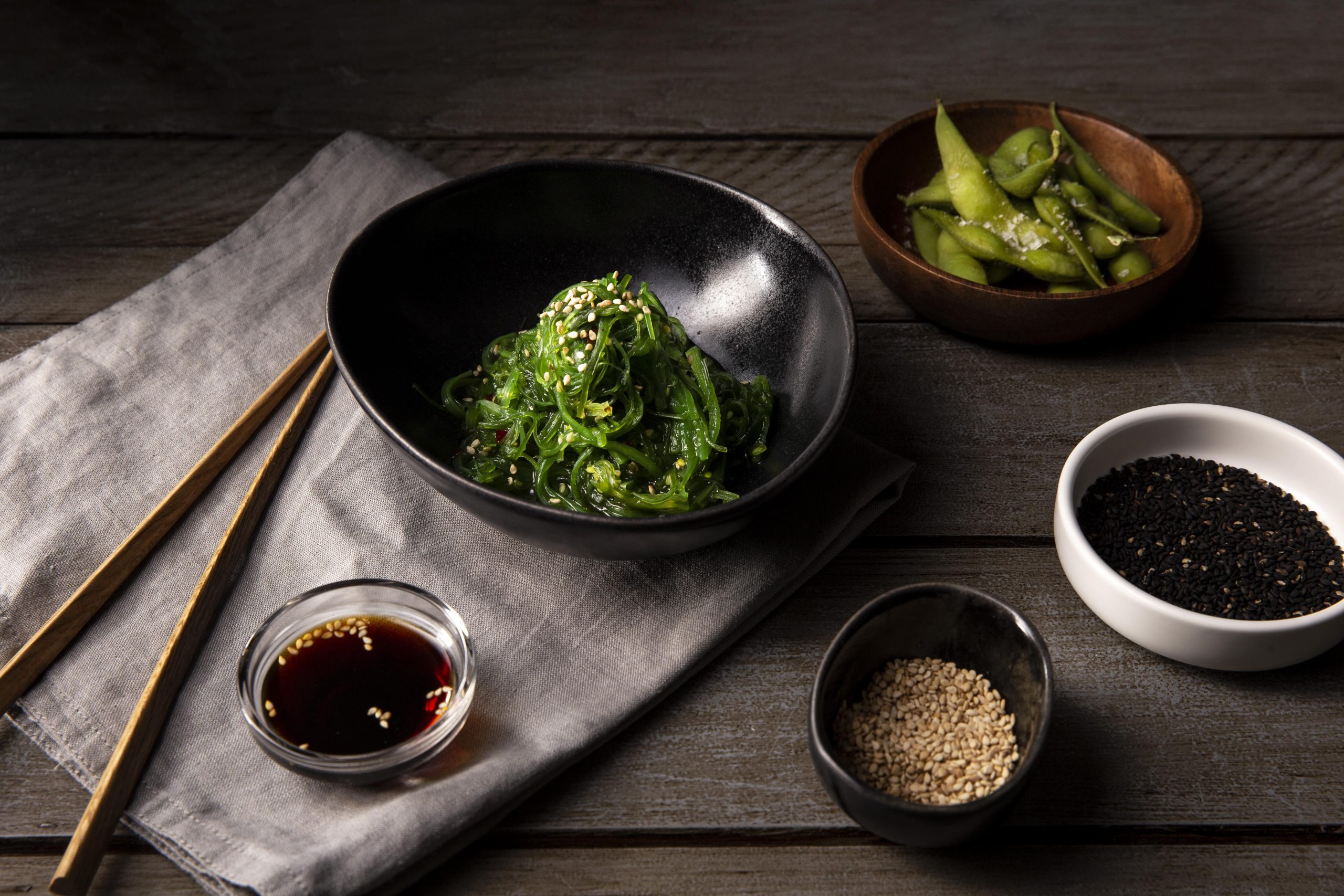
Macrobiotics is more of a lifestyle than a specific diet. It is based on the idea that the food consumed and its quality have a strong influence on a person's life and happiness, and determine their physical and mental health. Its main objective is to maintain a balance between the female element yin and the male element yang. The principles of the macrobiotic diet were developed in 1920 by a Japanese man, George Oshawa, and presented in a book entitled 'The Macrobiotic Diet': The new theory of nutrition and its therapeutic effects.
Where did macrobiotics come from?
The word macrobiotics, in Greek, means a broad view of life. Although the influence of ayurveda can be seen in its principles, this diet originated in Japan and, despite appearances, has much in common with Buddhist culture.
Raw produce, lack of meat and limited raw material processing methods are strongly associated with Japanese life.
The macrobiotic diet has to do with balancing yin and yang energy. It was a reaction to the new dietary trends that were taking hold in Japan. This is because at a certain time, the Japanese began to over-consume wine, eat a lot of meat and processed foods that were deep-fried, tempura-fried and heavily sweetened. It is worth knowing that although adding sugar to rice or tempura frying seem Japanese, they are a borrowing from foreigners who visited the country. Nowadays, macrobiotics is linked to the promise of a long life and staying fit.
What is macrobiotics?
Macrobiotics preaches that everything we eat affects our health, wellbeing and the length of our lives.
Her focus is on health as harmony with the world around us. She argues that through diet we can overcome most diseases and enjoy a long life.
This diet is based on a natural way of eating. It emphasises the consumption of local, unprocessed products. According to macrobiotics, it is extremely important to compose a menu from the products available in the climate zone in which we live and the prevailing season. It rejects the consumption of frozen, pasteurised and preserved products, as well as ready-made, heat-treated semi-finished products. It also does not recommend eating milk and dairy products and suggests avoiding animal products.

Macrobiotic menu
Macrobiotics prefers to eat mainly whole grains, legumes, vegetables, fruit and fermented soya products and a small amount of fish and poultry. It divides foods into cooling and warming foods and recommends combining them in balanced meals. Meals should be chosen based on a balance between yin and yang properties. In a temperate climate zone, they should be based on:
- whole grains and whole grain products, which should make up 50-60 per cent of the daily diet,
- soups consumed at a rate of 1-2 cups per day,
- vegetables from local, organic cultivation, which should make up 30-40 per cent of the food,
- legumes at 5-10 per cent of the diet,
- algae, consumed 2-3 times a week,
- seeds and seeds and fresh or naturally dried fruit, excluding exotic fruit.
Macrobiotics should only use natural barley or rice malt for sweetening and unrefined cold-pressed vegetable oils for frying. The diet also allows for unpasteurised butter and peanut and sesame butter, unrefined and non-iodised sea salt and natural soy sauces and miso paste.
Macrobiotic meals should be eaten when hunger is felt, 2-3 times a day up to 3 hours before bedtime. Each meal should be eaten under appropriate conditions in silence and stillness, chewing thoroughly.
Products can be boiled, baked or fried. However, they must not be heated in the microwave or in dishes made of aluminium or Teflon.
Benefits of a macrobiotic diet
Macrobiotic diet primarily affects
- improved digestion and excretion and the functioning of the endocrine glands
- strengthening the body's natural immunity,
- improving circulation and purifying the blood,
- smooth functioning of the nervous system and brain.
For whom is a macrobiotic diet advisable?
The macrobiotic diet should be of interest to people who:
- suffer from lipid disorders
- suffer from hypertension.
According to some, the macrobiotic diet can support the treatment of cancer and other cancers.



