
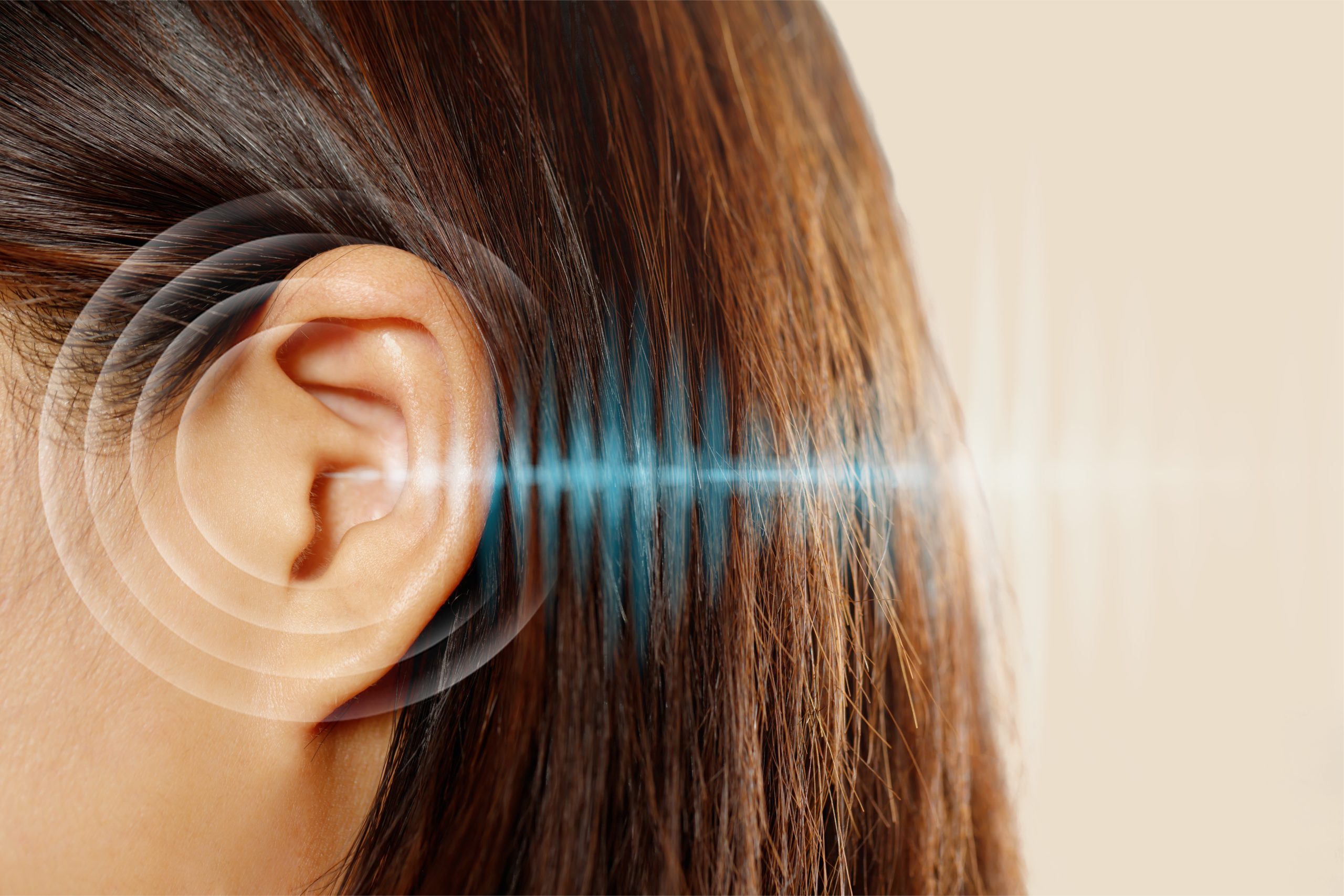
Ear acupuncture is otherwise known as auriculotherapy and has been used for centuries to treat many diseases. It is now a scientifically documented area of medicine. This is because the auricle contains receptors for all systems and parts of the body. Stimulating them through the use of small needles acts on the individual organs and their associated conditions.
Ear acupuncture - what the procedure looks like
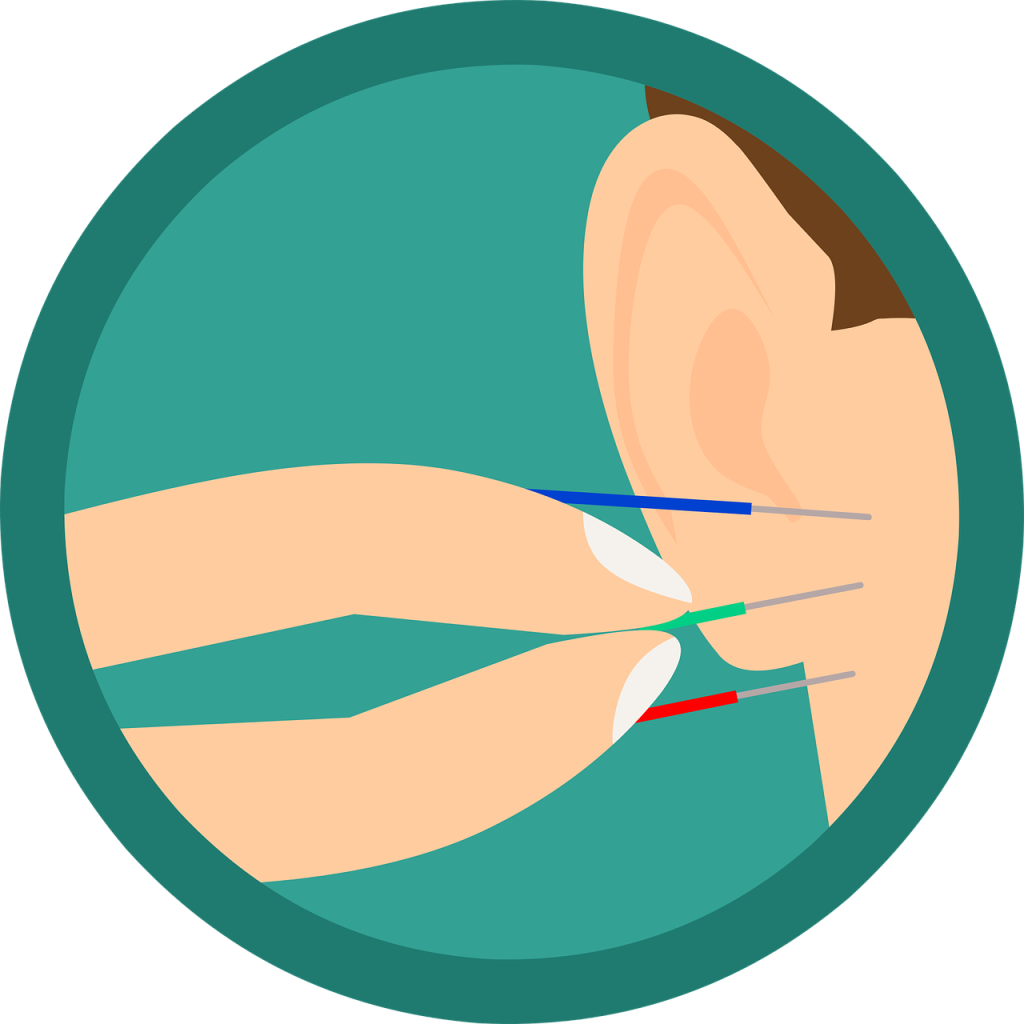
The first session is usually an interview and diagnosis. It lasts between 20 and 30 minutes and usually during one treatment approx. 5 points on the ear are usually stimulated in one session. Special needles are used for this, which are stimulated using electrodes attached to them. Often special patches are also applied to prolong and enhance the effect of the treatment. The number and frequency of sessions depends on the type of ailment, co-morbidities and other treatments. Typically, 4 - 6 sessions are needed for less severe conditions and 8 - 12 for more severe conditions.
The most frequent treatment is several times a week and the rarest once every fortnight.
Ear acupuncture - indications
Not everyone knows that there are three categories of points in the human auricle:
- local are linked to specific organs or body parts,
- master, their stimulation allows treatment protocols to be completed,
- function points, which are divided into Chinese function points based on the principle of the Five Transformations,
- french function points,
- chinese empirical points.
Ear acupuncture helps with a variety of problems. And it is used not only to treat many ailments, but also to diagnose them. It can be used as a stand-alone treatment and as an adjunct to other treatments, such as physiotherapy, nutritional therapy or drug treatment.
Among its most important uses are:
- Allergology (hay fever, bronchial asthma, allergic eczema, urticaria).
- Andrology (impotence, prostatic hypertrophy).
- Dermatology (acne, skin eczema - eczema, vitiligo, hemiplegia).
- Endocrinology (thyroid disease, adrenal disease, diabetes).
- Gastroenterology (gastritis, gastro-oesophageal reflux, peptic ulcer disease, indigestion, intestinal colic, intestinal transit disorders, toothache, liver disease).
- Gynaecology (infertility, uterine myomas, ovarian cysts, sexual frigidity, painful periods, irregular menstrual cycles, menopause, disorders of the reproductive system, disorders of achieving orgasm, ovarian inflammation, non-period-related uterine bleeding),
- Laryngology (otitis externa and otitis media, inflammation of the auditory nerves, hearing impairment, ringing in the ears, tinnitus, acute and chronic diseases of the tonsils, oesophagus, larynx
acute and chronic bronchitis, sinusitis), - Mental disorders (depression, nervousness, aggressiveness, insomnia, anxiety, Schizophrenia, epilepsy, neuroses).
- Rheumatology, orthopaedics (osteoarthritis, torticollis, sciatica, scoliosis, carpal tunnel syndrome, heel pain, knee pain, shoulder pain, bone pain, muscle pain).
- Cardiovascular system (hypertension, varicose veins of the lower extremities, haemorrhoids, headaches, cardiac arrhythmias).
- Urology, nephrology (bedwetting, renal failure, urinary tract stones, urinary tract inflammation, acute and chronic nephritis, urinary incontinence),
- Recovering from smoking and other addictions,
- Migraines, recurrent headaches,
- Pain in neuralgias, neuritis, tics and facial muscle spasms,
- General fatigue, reduced ability to work and concentrate,
- Motion sickness,
- Concussion.
Does ear acupuncture help with weight loss?
Ear acupuncture has been studied to help with weight loss. This is because stimulating the ears in the right places reduces appetite and speeds up the fat burning process.
Acupuncture sessions carried out for this purpose must be performed regularly and five acupuncture points must be stimulated simultaneously. These treatments are most effective when combined with a healthy diet and exercise.
Contraindications to ear acupuncture
Unfortunately, ear acupuncture should not be performed on every person. Contraindications to it may include:
- haemophilia involving a blood clotting disorder,
- infectious diseases,
- mental illness,
- skin inflammations,
- pregnancy,
- menstruation,
- physical exhaustion and cachexia,
- previous alcohol consumption.
- tumours.



