
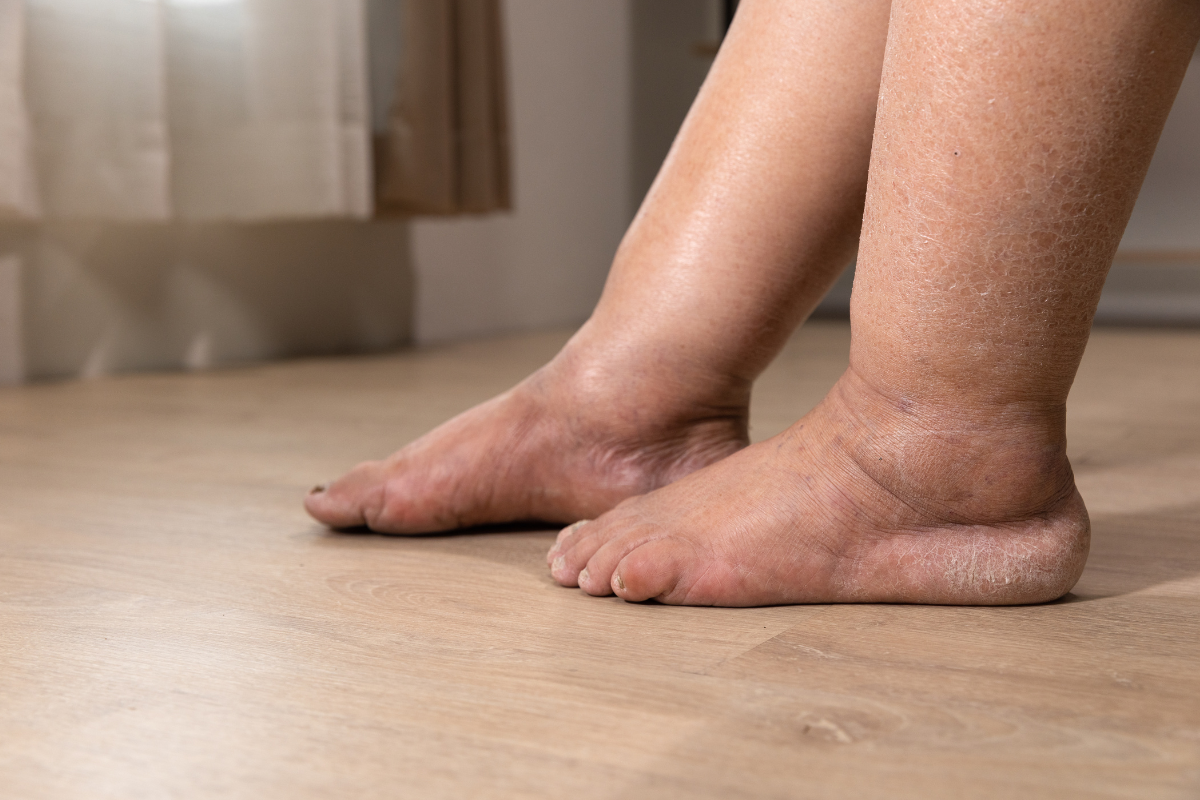
What are oedemas? They are swellings of tissues caused by the accumulation of excess serous fluid and are a common health problem. Their appearance depends on the effectiveness of the body's water balance regulatory system. They occur for a variety of reasons, such as kidney, liver and thyroid problems, as well as dietary and lifestyle errors. It is worth learning about effective methods of dealing with swellings, especially when they become a nuisance to daily functioning. Swellings are not only an aesthetic issue, but also a signal that something may not be right in our body. Find out how to effectively counteract them and the potential sources of this problem. Keep reading to learn more about how to effectively deal with swelling, whether you're dealing with everyday ailments or more serious conditions! Learn about ways to deal with swelling.
Causes of oedema
Edema, as you already know, is associated with excessive fluid accumulation in the tissues and impaired microcirculation. This problem can be the result of injuries to the limbs or occur in women during different phases of the menstrual cycle. However, swelling is often caused by an abnormal lifestyle. This mainly involves a sedentary lifestyle, lack of any physical activity and a variety of medical conditions. The main causes of swelling in the legs and arms include kidney failure, hypothyroidism, endocrine disease, heart conditions, circulatory problems, trauma, inflammation, lymphatic system dysfunction, liver disease, dehydration and water retention in the body.
Home remedies for swelling
Here are ways to relieve swelling at home:
- Application of ice packs or gel compresses.
- Soaking limbs in cold water.
- Limit salt intake in the daily diet.
- Elevate limbs to facilitate fluid circulation.
- The use of gels and ointments with heparin, which have anti-inflammatory and anti-oedema effects. The allantoin contained in the reshistle extract aids the wound healing process.
- The use of resinoid preparations, which contain plant flavonoids such as rutin, diosmin, hesperidin, known for their blood vessel sealing action.
- Wearing anti-edema stockings to promote circulation.
- The use of painkillers, such as paracetamol or ibuprofen, to relieve the accompanying pain.
- Drinking diuretic herbs, but with caution and after consulting your doctor. It is important to find the cause of the swelling and treat the underlying disease, as symptomatic treatment can delay an accurate diagnosis. Plants such as nettle, field horsetail, dandelion or birch leaf can be helpful, but remember that herbs and herbal preparations may interact with drugs.
Swelling after trauma
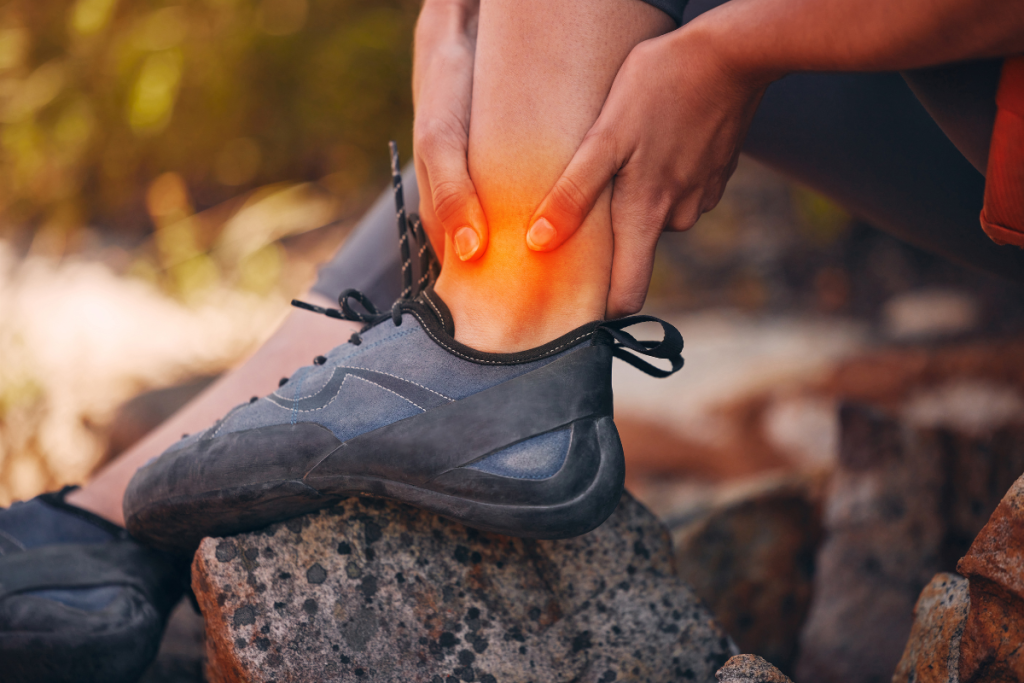
When we suffer an injury, an inflammatory response starts in our body. It represents the first stage of the healing process. At an early stage, characteristic symptoms such as redness, warming, swelling and pain are observed. The redness and warming result from increased blood flow, while the swelling is the result of an increased influx of fluid and white blood cells into the damaged area. The release of chemicals and compression of nerves in the area of injury generates a sensation of pain. Remember that swelling after an injury is a natural reaction of the body, necessary for the healing process. Nevertheless, if swelling is not treated effectively, it can become chronic. Prolonged swelling leads to tissue stiffness and increases susceptibility to further injury. If swelling persists for more than two weeks, it is necessary to consult a specialist.
Treatment methods and choice of therapy depend on the time elapsed since the injury, the type of injury and individual patient factors. Initially, it is advisable to reach for home remedies for swelling, followed by more advanced and specialised treatment options if necessary. Resting with elevation of the affected limb above ground level promotes the drainage of swelling from distal areas, preventing its accumulation. It is also important to refrain from putting excessive weight on the affected limb. Straining the affected area promotes blood flow, which in turn hinders the effective removal of swelling. Even in the absence of pain, a few days of rest can significantly reduce swelling and alleviate the effects of the injury.
Ways to treat swelling at MTS Holistic Therapy
- This procedure can be manual or mechanical. Manual lymphatic drainage is a sequence of specially selected, calm movements carried out by the physiotherapistaimed at directing the accumulated lymph towards the proximal areas and promoting the elimination of swelling. Several sessions of lymphatic drainage are necessary to achieve the desired results. The method using a lymphatic drainage device is non-invasive and discomfort-free. It is based on placing a special cuff on the affected limb and setting up a programme that cyclically fills and empties the chambers in the correct order, resulting in moving the swelling towards the lymph nodes. You will notice a feeling of relief even after one treatment, but a series of such procedures is recommended for more complete results.

- W kinesiotherapy uses flexible tape that is applied to the skin in a precise manner. It can act as a muscle enhancer, provide protection against injury, act as an analgesic, but is also an excellent method to support and help reduce swelling after injury. For swelling, the lymphatic method works best. The procedure involves cutting a length of tape and distributing it over the area of the swollen limb up to the nearest lymph nodes. Carefully placed tapes assist in the resorption of swelling and bruising. An additional advantage of this technique is its continuous 24-hour operation.
- Ways to treat oedema include modern treatment methods. Local cryotherapy using Game Ready system is an innovative method of swelling reduction, with applications in the field of trauma and injury therapy. The device combines the benefits of cooling and compression applications, providing a comprehensive approach to swelling control. The Game Ready system uses advanced technology to enable effective swelling management. Topical cryotherapy involves the application of cooling by circulating cold fluid around the injured area. At the same time, compression is controlled by a special cuff, which contributes to the effective drainage of excess lymphatic fluid.



