
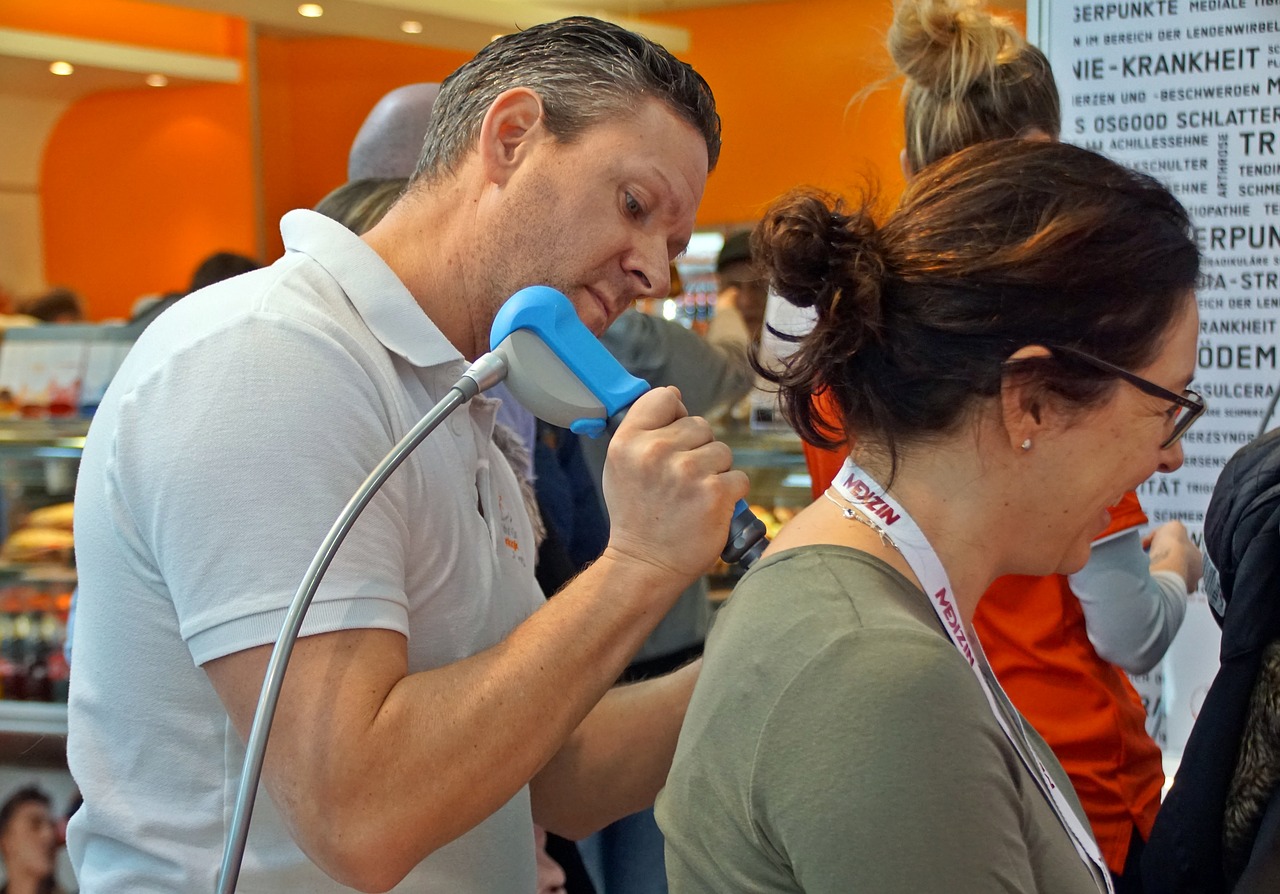
On the subject of acupuncture hundreds of volumes have already been written and an enormous amount of scientific research has been carried out in connection with it by medical specialists from all over the world. This therapy treats various diseases by pricking the patient's body with special needles. It makes use of the human organism's ability to self-regulate and regenerate the vital forces of the body. It works without any medication, is safe, inexpensive and many times very effective.
Where does acupuncture come from and what does it involve?
As early as around 4000 BC in China treated patients by means of sharp-pointed rock fragments with which to puncture the their skin. Akupuncture originates from a therapy called Tcha-Tchin, used around 3,000 BC. when used "needles", made of stone, bone or bamboo. They were later made bronze, iron and steels.
Contemporary acupuncture uses metalowe needley to enhance the patient's energy flow and vitality. Much of the research conducted in its direction has yielded promising results that have led the International Health Organisation (WHO) to recognise acupuncture as an effective treatment for many diseases, including in the elimination of pain of various origins.
Indications for the use of acupuncture:
The use of acupuncture is recommended for conditions such as:
- spinal disorders,
- other back diseases,
- persistent psychogenic pain,
- pains of unknown origin,
- post-stroke conditions,
- migraine and other headache syndromes,
- disorders of nerves, nerve roots and plexuses,
- osteoarthritis.
When does acupuncture prove ineffective?
Some advocates acupuncture consider That any disease can be cured with its help. Acupuncture not helps however in the treatment of conditions arising from infection, mechanical trauma and stress. It is not recommended for the treatment of diseases at an advanced stage or chronic diseases. Jest ineffective for therapy cancers, chronic hypertension or diseases of the immune system. There is also the controversial when it comes to treatment mental illnesses.
What does acupuncture treatment involve?
Primarily, the action of acupuncture is based on the theory that the human body has its own vital energy, which in a healthy body flows to all internal organs along 12 main and eight secondary energy channels. If the flow of this energy is disrupted, it causes pain and illness. Unblocking the energy flow is helped by inserting disposable stainless steel needles into points on the human body located along the meridians.
From a scientific point of view, the action of acupuncture is based on the influence on the nervous system, which is connected to all organs of the human body and its stimulation can regulate the function of internal organs. The use of needle pricks activates circulation in the capillaries and causes the cells to work more intensively, toxins and free radicals are released, and the body is thus stimulated to fight ailments, which disappear more quickly. The analgesic effect of acupuncture has also been proven, especially in the treatment of back pain.
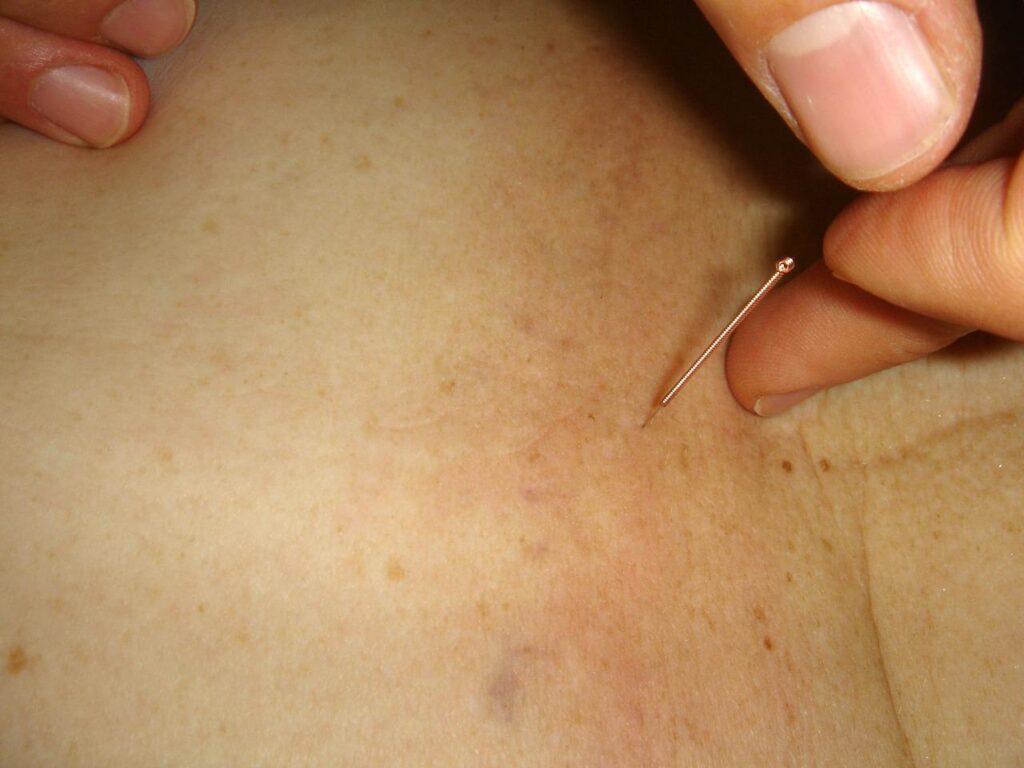
Acupuncture treatment involves pricking active points on the body, called acupuncture points by means of sterile disposable needles.
The acupuncturist makes a diagnosis and then selects the points for stimulation depending on the diagnosis. Acupuncture is applied only after a thorough clinical diagnosis and when it is established that the patient's condition does not require any other method of treatment.
Contraindications to the use of acupuncture:
Acupuncture should not be used in people who have recently undergone extensive heart attacks, have excessively high blood pressure, suffer from infectious diseases and cancerous conditions. Acupuncture is also contraindicated for pregnant women and people over 85 years of age.
In addition, a contraindication to acupuncture is:
- haemophilia,
- electrostimulation in patients with an implanted pacemaker,
- significant cachexia,
- infant age,
- acute abdominal syndrome,
- decompensated respiratory and cardiovascular diseases,
- active tuberculosis, sarcoidosis,



