
Many older people complain of a feeling of tension and hardness in the abdominal area. This is often considered to be a typical effect of digestion, bloating or constipation. Although this is possible, it is not always the whole truth. Altered fascial tension, diaphragm restrictions and the impact of emotions can lead to lasting discomfort. Such symptoms do not pass after a simple mint tea. When is a hard abdomen in a senior citizen a signal of physiological changes, and when should it raise concern?
Hard abdomen in seniors - physiology or problem?
Older people experience natural changes in their soft tissues - they lose elasticity and the digestive system works more slowly. Slowed intestinal peristalsis promotes constipation, and less physical activity reduces intestinal mobility, which can lead to feelings of overflow and tension. In such cases, a hard abdomen in a senior citizen may indeed be related to digestion, but it is not always the only culprit.
An older body produces less digestive enzymes and stomach acid, which delays the breakdown of food. When food lingers longer in the digestive tract, fermentation occurs. This in turn increases gas production and causes tension in the lower abdomen. These symptoms are often exacerbated in the evening or after a heavy meal.
Fascial changes and abdominal tension
In recent years, there has been increasing discussion about the role of fascia - the connective tissue that wraps around organs and muscles - in the context of pain and stiffness. In seniors, fascia becomes dehydrated, loses elasticity and can stick together, restricting the movement of internal organs. Then, even without inflammation, there is a feeling of hardness or resistance to touch.
Abnormalities in abdominal fascial mobility affect the tension of the abdominal wall and the function of the intestines, liver and stomach. A small mobility problem can therefore give the impression of significant tension - and this is not necessarily related to the presence of gas or backlogged food contents. In such a context, a hard abdomen in a senior citizen may be a symptom of deeper musculo-fascial integration disorders.
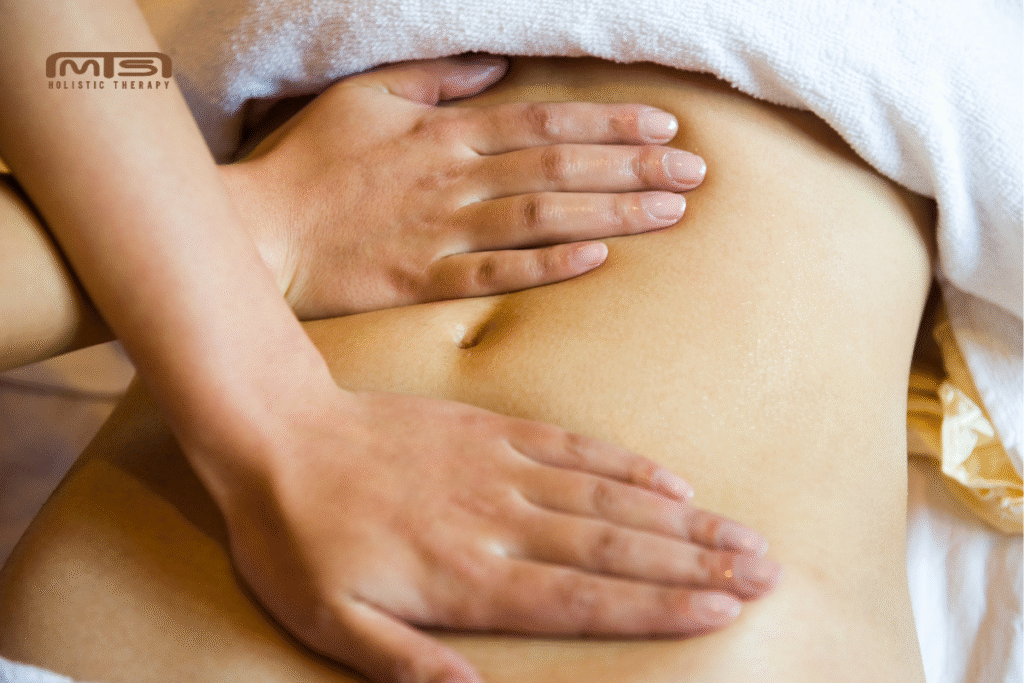
For chronic abdominal tension, it is worth considering manual work with the internal organs. Visceral therapy can improve fascial mobility and restore the natural rhythm of the digestive system.
What can a hard abdomen in a senior citizen be confused with?
Many older people equate any tension or bloating with digestive problems, whereas it may be a symptom of another condition. Examples:
- Enlargement of internal organs, such as the liver or spleen, can cause a sensation of hardness in specific regions of the abdominal cavity.
- Hernias, especially in the umbilical and inguinal region, can be a source of local tension.
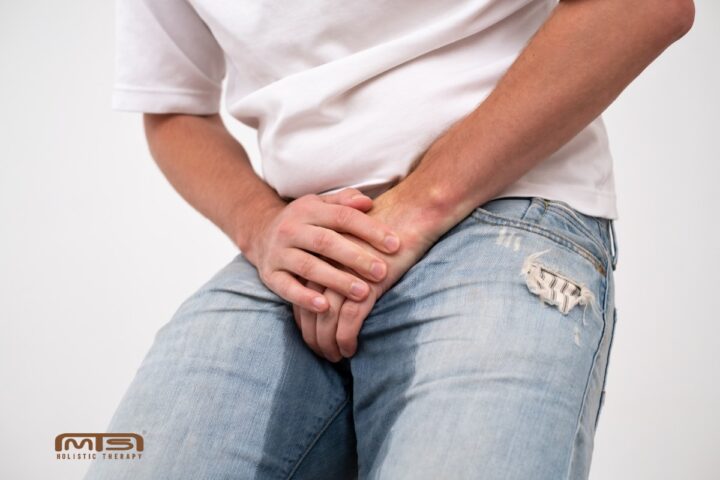
- Urinary tract diseases, such as urinary retention or prostate enlargement in men, can also give a sensation of heaviness in the lower abdomen.
- Inflammatory conditions of the intestines (e.g. inflammatory bowel disease) manifest themselves not only in pain, but also in abdominal tension.
- Psychogenic factors should not be forgotten either. In the elderly, chronic stress, emotional tension or anxiety can manifest themselves somatically - e.g. as a hard, tense abdomen, even without obvious organic causes.
Hard abdomen in seniors - what to check before reaching for medication?
Instead of immediately reaching for bloating remedies, it is worth looking at daily habits. Does the senior drink enough water, eat fibre? Does he or she do basic physical exercise, even if only in the form of walking or breathing exercises?
It is equally important to observe the rhythm of bowel movements. A hard abdomen can result from chronic constipation, which is a common problem in the elderly. Particularly with concomitant use of drugs that reduce muscle tone or have a diuretic effect.
Another important step is palpation - gentle pressure on the abdomen can show whether the tension is diffuse or rather pinpoint, and whether it is associated with pain. A feeling of hardness on one side may suggest an organ shift or enlargement of an organ.

A holistic approach, taking into account both the body and the patient's emotions, is of paramount importance in alleviating chronic ailments. Read more about how holistic medicine works!
The role of the diaphragm and breathing in abdominal tension
With age, the mobility of the diaphragm often decreases - in older people, breathing becomes shallower and the breathing path moves higher into the thorax. This reduces the natural massage that the diaphragm performs on the abdominal organs and leads to their 'stiffening'. Over time, this can manifest as a hard abdomen in a senior citizen, even if there are no obvious digestive disorders.
Simple breathing exercises, diaphragm work and gentle visceral therapy techniques can significantly improve a senior's comfort and reduce abdominal tension - without the need for pharmacotherapy.