
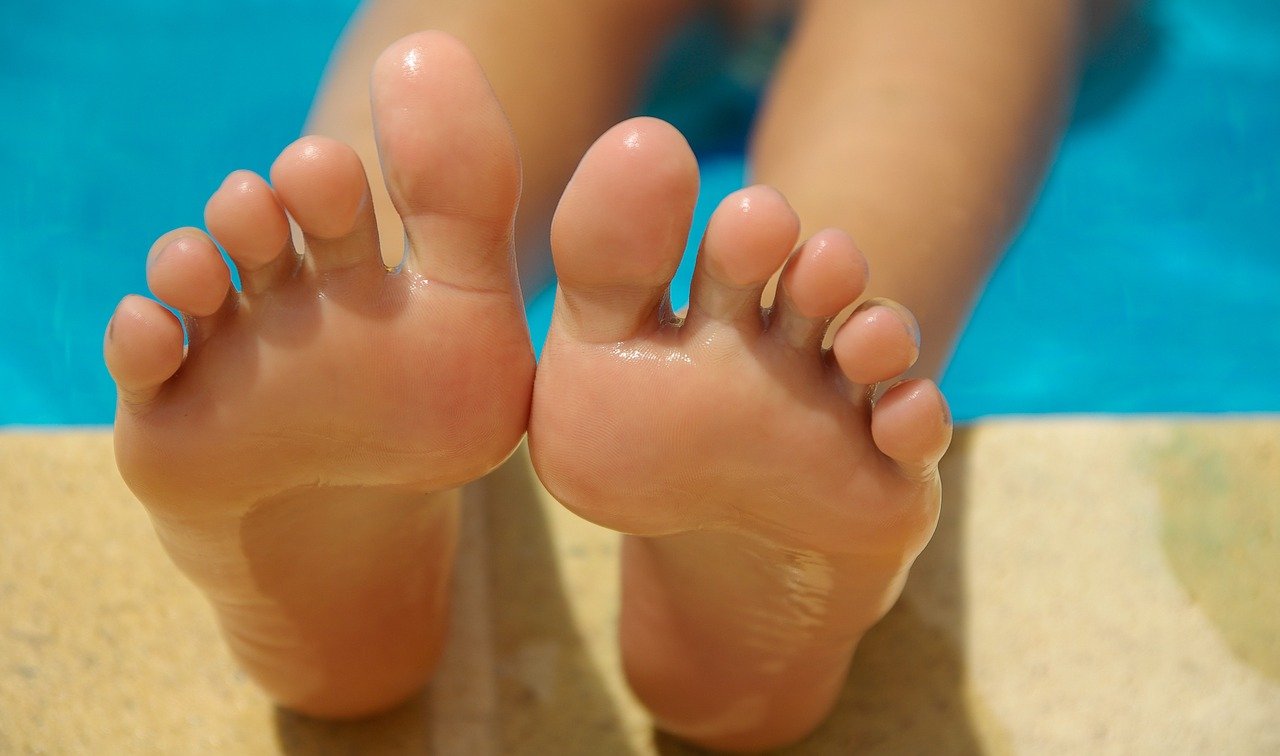
Postural defects are generally referred to as abnormalities of the musculoskeletal system. Although we associate them with problems affecting the spine, they are related to the whole body, including flat feet.
What is flat feet?
Flat feet is a deformity. which consists of a pathological lowering or abolition of the physiological foot arch. There are two types of flatfoot:
- Longitudinal - this involves lowering the medial arch of the foot, affecting full contact with the ground. This has a negative impact on most parts of the musculoskeletal system, generates strains and unpleasant health consequences, especially in sports people.
- Transverse - involves a lowering and flattening of the transverse vault, resulting in widening of the foot and loss of flexibility. Symptoms to look out for include: corns on the metatarsal and sole of the foot and pain in the area of the toe pads.
A correctly formed foot does not make contact with the ground over its entire surface, but with the help of so-called support points, which are the heel and the heads of the first and fifth metatarsal bones. This allows the body to properly absorb the forces that act during movement. This structure of the foot is the basis for maintaining stability when standing and ensures optimal distribution of body weight when standing, walking, running or jumping.
What are the causes of flat feet?
Postural defects are a consequence of functional, structural and environmental abnormalities. The most commonly noted causes of lowering of the foot vault include:
- disorders related to the functionality of the musculoskeletal system: muscles, ligaments, tendons, joint capsules
- musculoskeletal injuries,
- excessive body weight or obesity,
- ill-fitting footwear,
- constantly walking in high heels.
Flat feet are natural in children. In the course of their development, strengthening muscle structures influence the proper formation of the foot. If, however, after the age of 5, the feet still do not form correctly, the rehabilitation process should begin. Flat feet are most often diagnosed in pre-school and early school-age children and, if left untreated, can lead to bothersome symptoms.
Neglected flat feet can project to problems in the knees, hips and spine. It can cause pain in the midfoot, calf, and to inflammation of ligaments and joints. It is important to be aware that inhibition and reversal of foot deformities is only possible in youth and in the early stages of the condition. In the case of adults, flat feet can only be stopped and prevented from worsening and causing pain.
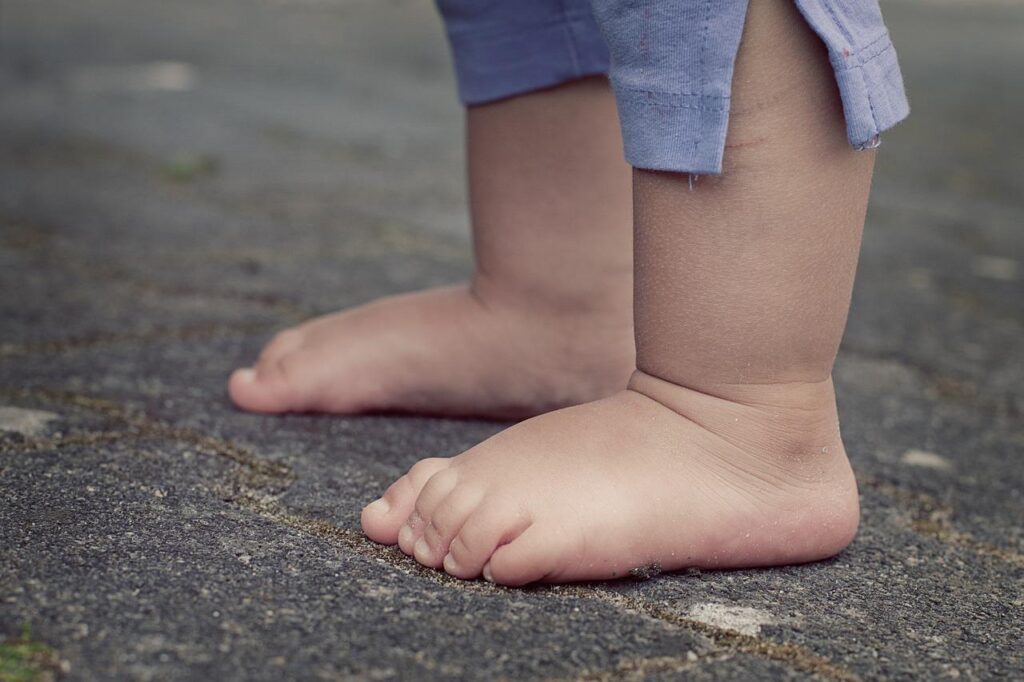
Flat feet - effects
Flat feet affect stability in standing, impairing cushioning functions during walking or running. It can cause:
- calluses and compressions,
- pain in the lower back areas,
- increased tendency to keratosis in the metatarsal region,
- foot sweating, fungal lesions, circulation disorders,
- degenerative changes and other deformities such as hallux valgus,
- gait disturbances, more rapid fatigue of the feet,
- a tendency to put the feet outwards,
- clubfoot,
- chronic inflammation of joint capsules and ligaments,
- excessive sensitivity of the feet.
Physiotherapy for flat feet
Like other postural defects, flat feet should be corrected by physiotherapy. It should be tailored to each individual patient in the form of exercises. Before starting rehabilitation, the type of flatfoot should first be determined, which will help to prepare the right activities. The most important thing is to perform regular exercises, which can focus on strengthening weakened structures, stretching contracted parts or restoring joint mobility. Daily exercises should last around 30 minutes. Self-training at home is also important,
Corrective gymnastics is often complemented by a range of other tools such as:
- foot massage,
- the dynamic patching method, or kinesiotaping,
- relieving footwork, e.g. swimming,
- barefoot walking training on variable ground,
- the use of correctly selected orthotics.
It is important to remember that orthotics have a symptomatic effect, so they cannot be a substitute for the whole treatment. Orthotics should be appropriately selected by a physiotherapist or orthopaedist.



