
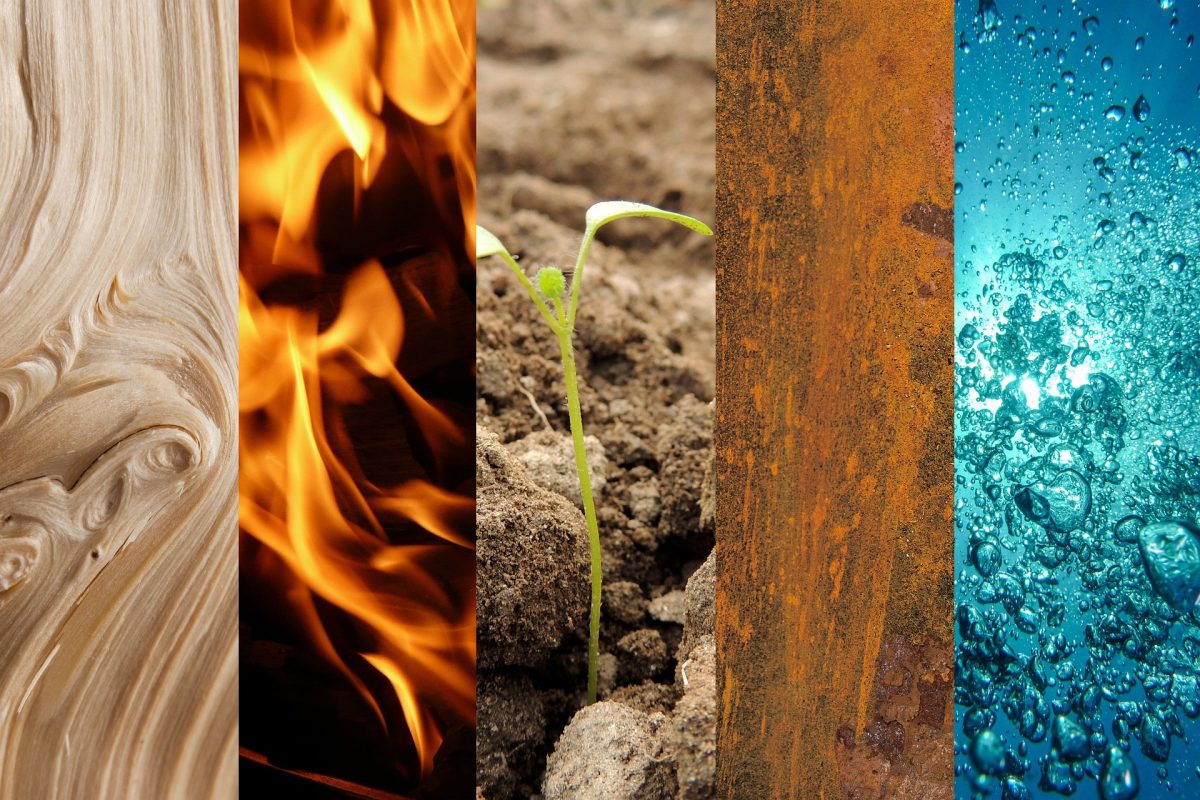
The Five Elements is a theory of Chinese medicine that is applied to treatment, dietetics, and preventive health care. It is based on a combination of the phenomena of the five elements, which include Water, Tree, Fire, Earth and Metal.
The five element theory originated in China in 221 BC during the Yin and Zhou dynasties. Other names for it include the theory of the five elements, or the five transformations. These five elements mentioned include Tree, Fire, Earth, Metal, Water. Each of these elements is related to each other and forms certain definite cycles. They are found in everything around us, They can support or destroy each other. They embody the changes and movement of the energy called Qi.
What is each of the five elements?
The Chinese attribute distinctive characteristics to each of the elements.
The tree is associated with anger, or the lack thereof. Its physical representation is the sinews, having to do with movement and flexibility, This element also has to do with the eyes and reproductive organs. The spirit of the tree element is hope, optimism, purpose and vision, but also despair, lack of hope, lack of purpose. It is associated with the future, anticipation and planning for its arrival.
Fire is primarily associated with the present. Its spirit expresses freedom, love, joy and enthusiasm. In the body, it connects with the blood and blood vessels. This element is responsible for the ability to communicate emotions and thoughts and to express oneself. It has a connection with language and also signifies intelligence, or lack thereof. It is responsible for joy.
Earth is a symbol of providing nourishment for the body, mind and spirit. According to the Chinese, its physical manifestation t the body, the soft tissues and therefore the muscles. In the mind, it corresponds to the ability to absorb new information and process it. Earth is a symbol of security and stability. It is responsible for compassion and caring for others and oneself.
Metal has to do with decay, decomposition, respect, self-esteem and sadness It provides inspiration, an understanding of the mutability of all things and a reconciliation with the process of passing.
Water expresses fear or the absence of fear. It corresponds to reserve, flow and cleansing power. It provides determination, strong will, endurance and resilience.
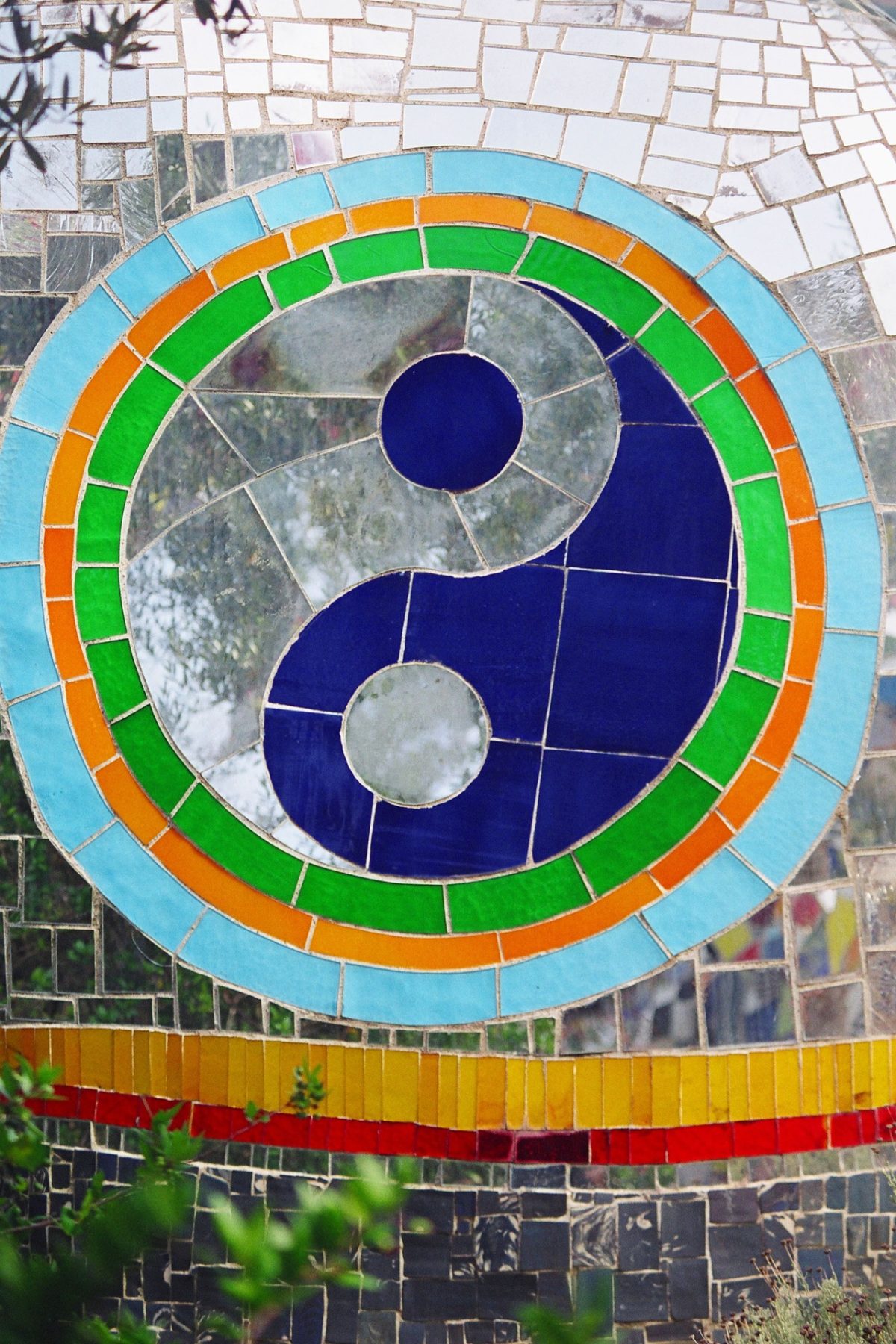
The five elements and the human body
Each transformation is also associated with a pair of organs reflecting Yin and Yang.
- The liver and gallbladder are connected to the Tree,
- with Fire - heart and small intestine,
- with the Earth - pancreas and stomach,
- with Metal - lungs and large intestine,
- with Water - kidneys and bladder.
These organ pairs are interconnected and influence each other.
The five elements and the stages of human life
The five elements reflect the cycle of changes occurring in nature and in people, such as the changing seasons and the changing times of day. Using the theory of the five elements, the entire development of the human being can be represented. The foetus is in the element of Water, coming into the world, it enters the element of Tree. It symbolises the newborn child, which is initially tiny and fragile and must gather the energy needed for growth. Early youth and adolescence is associated with Fire. Maturity and stabilisation and reaping the fruits of one's labour concern Earth. The period of ageing, on the other hand, is Metal. In contrast, final old age and coming to terms with the end of human life is Water.
The five elements versus seasons and flavours
According to Chinese philosophy, the Five Transformations cycle governs every process, including the natural cycles of the year and food preparation. The elements correspond to the seasons:
- Spring - Tree,
- summer - Fire,
- late summer - Earth,
- Autumn - Metal,
- Winter - Water.
In Chinese cuisine, on the other hand, an important issue is the strict order in which the ingredients are added when cooking. This is because the products should be added according to the following scheme:
- sweet taste, Earth,
- sharp taste, Metal,
- salty taste, Water,
- sour taste, Bree,
- bitter taste, Fire.
All five elements are constantly present in our lives, Fire, Earth, Metal and Water relate to the physical life of man, while the element of Tree is related to spirit. According to Chinese philosophy, the latter made the previous four possible.



