
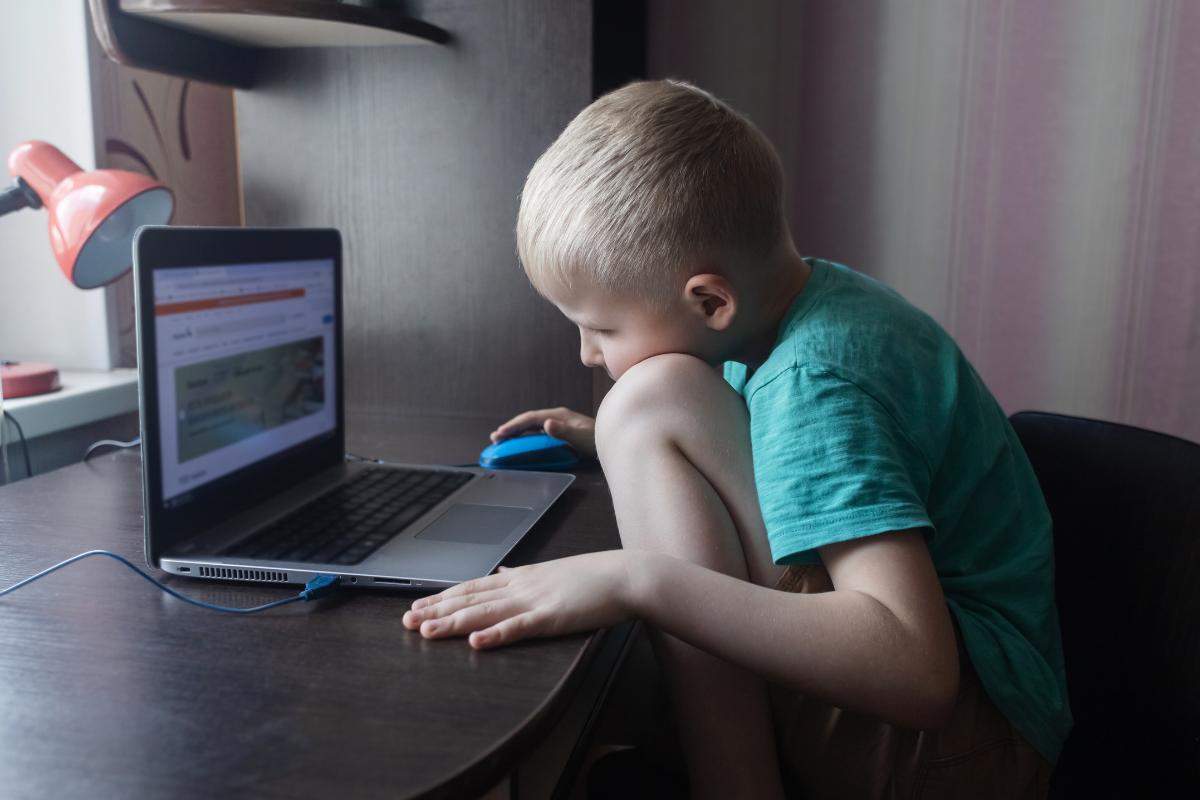
Postural defects in children are a problem that is becoming increasingly common these days. The increase in the number of children spending long hours in front of a screen, with little physical activity and sitting incorrectly in school desks, promotes the development of abnormal postural habits. Early recognition and appropriate intervention can significantly reduce the risk of permanent health problems in the future. This is why it is so important for parents and carers to take care of their children's correct posture and to introduce regular strengthening and stretching exercises from an early age.
What are the most common postural defects in children?
Postural defects in children take many forms, and specialists distinguish some of the most common defects they encounter in their practices:
- Scoliosis - is a lateral curvature of the spine that often occurs in children during growth. Early detection of scoliosis allows the implementation of appropriate corrective exercises or the wearing of a corset, which can halt the progression of the condition.
- Kyphosis - Excessive rounding of the upper back, the so-called 'hunchback'. Many children, especially during adolescence, adopt this posture as a result of spending long hours in a sitting position, which leads to weakened back muscles and a misaligned spine.
- Lordosis - Excessive curvature of the lumbar spine, which often manifests itself in a so-called 'bloated tummy'. It usually results from weakened abdominal and back muscles and lack of physical activity.
- Flat feet - is a defect that involves flattening of the arch of the foot. Although flat feet can occur in children as early as pre-school age, it usually starts to be noticed during the school years when the child starts to walk more, run and stand on their feet for long hours.
Oproper position and movement are essential to prevent them
Postural defects in children are often caused by the incorrect position they adopt when doing homework, using the computer or watching television. It is very important that the child does not stay in one position for too long - it is best to change position every fifteen minutes. It is also the parents' task to encourage their children to be physically active and to allow them to be active on a daily basis. It is a good idea to organise children's time in such a way that they spend their free time away from school or other responsibilities in an active way, for example by going for a walk. It is a good idea to combine playtime with a sport or other activity that involves movement.
Parents who are concerned about their children's spinal column and proper posture can seek the help of both a physiotherapist and a doctor. The physiotherapist will be able to determine the severity of the defect and recommend helpful exercises and therapy. The doctor, on the other hand, will be able to examine the child and also order an X-ray.
Postural defects in children - ill-fitting school bag, desk and chair
A very important aspect that parents should pay attention to is also what kind of school bag their child is carrying. Its weight should not exceed 10-15% of the child's weight, so it is worth paying attention to what is inside. Take care that the school bag is comfortable, well-fitting and not too big, because the more space in it, the greater the temptation to pack more things in it. Postural defects in children can also be exacerbated if the desk and chair at which the child does homework are poorly chosen and unsuited to the young person's needs. They should be adjustable so that the child can change his or her own position at the desk. It is also a good idea to change the place where the child studies from time to time. Staying too long in one rigid position is not good for their health.
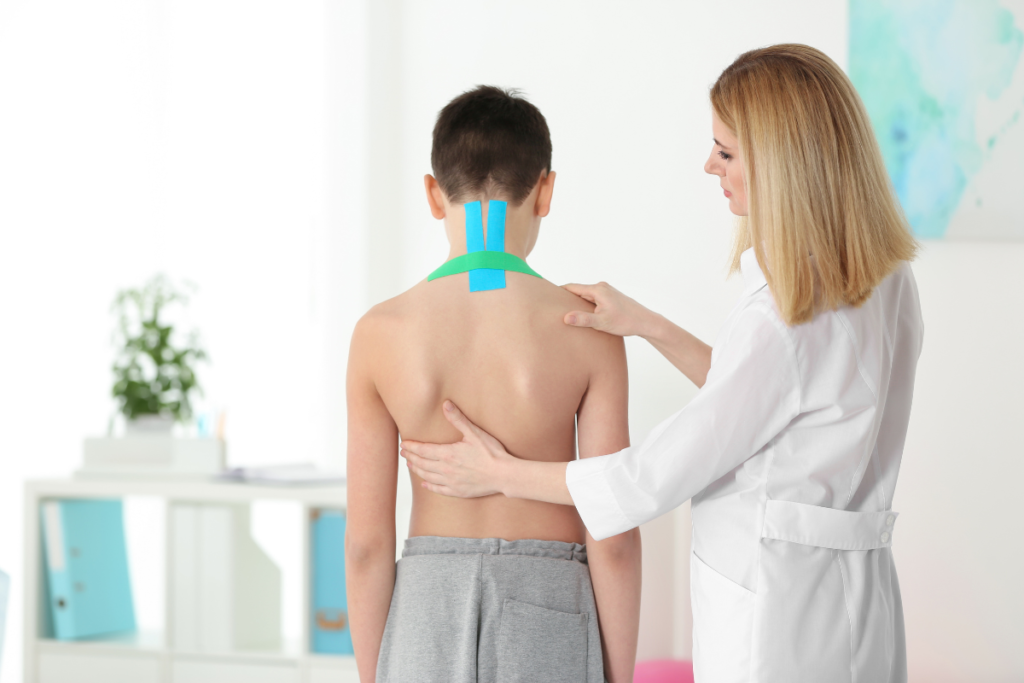
Physiotherapy from a young age
One of the most effective ways to prevent postural defects in children is to prevention. Regular exercise and physical activity are key to maintaining a healthy posture. It is a good idea to introduce children to the world of sport from an early age - swimming, gymnastics, yoga or even daily walks can help to build correct posture.
Physiotherapy is also an invaluable tool when working with children who are struggling with postural problems. Early intervention in the form of manual therapy, corrective exercises and education on correct posture can significantly improve a child's spinal health. There are also special rehabilitation programmes that focus on improving muscle strength, improving flexibility and making children aware of the importance of correct posture in everyday life. In addition, physiotherapists can suggest exercises to do at home to help maintain the effects of therapy.



