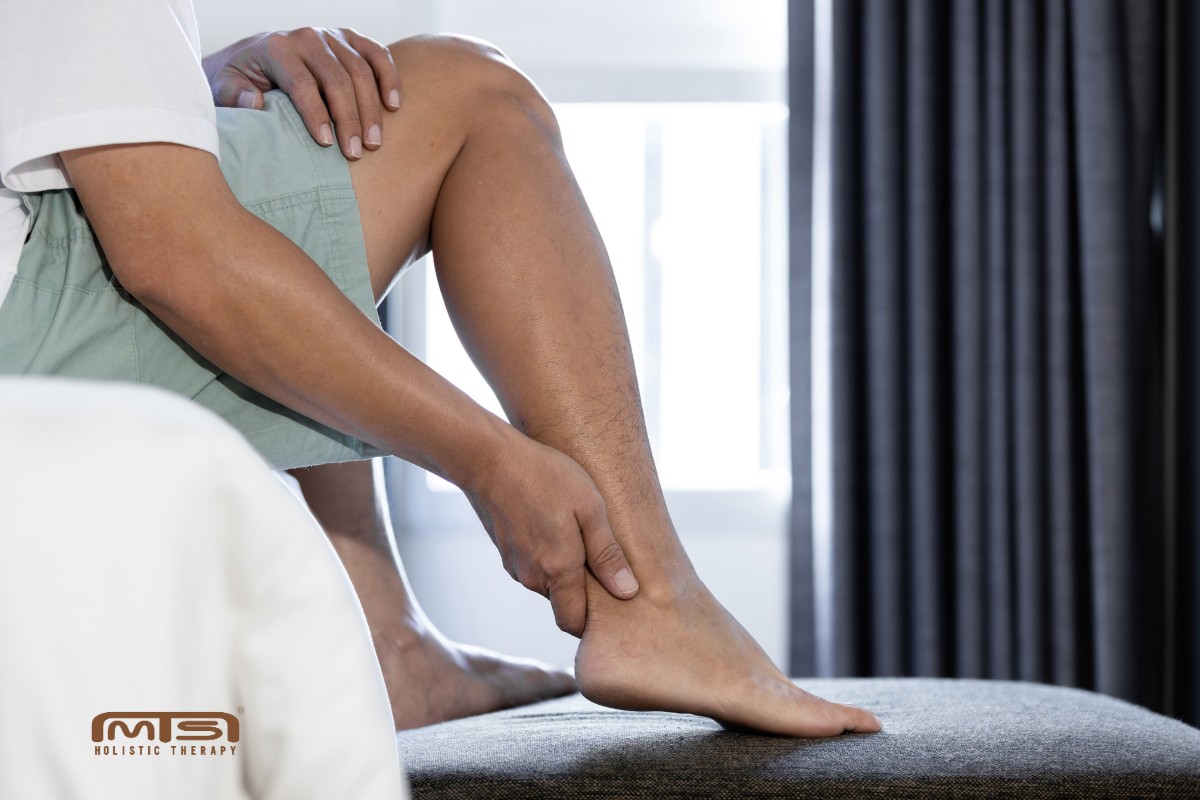
The Achilles tendon is the largest and strongest tendon in our body, yet it can be extremely sensitive. Many patients complain that the greatest discomfort occurs just after getting out of bed - the first steps are painful and the stiffness only subsides after walking for a while. So why is Achilles pain first thing in the morning such a common problem and what could be behind this symptom?
Why does the Achilles tendon hurt just when you wake up?
During sleep, the Achilles tendon rests and the tissues do not move or stretch. If we overload the tendon during the day - for example, by running, weight training or walking for a long time in uncomfortable shoes - micro-damage develops during the night. There is also a slight swelling. In the morning, when you take your first steps, these changes become apparent in the form of pain and stiffness. In some people, this condition resolves quickly, but if the Achilles pain persists longer in the morning, it may be indicative of a strain problem or a disturbance in gait biomechanics.
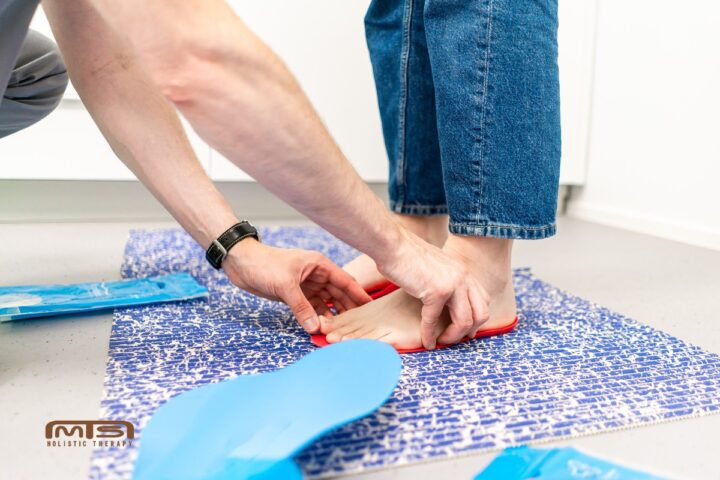
Computerised foot examination is an accurate method that analyses pressure distribution and foot alignment, supports the selection of appropriate footwear and orthotics and helps to improve walking comfort and reduce the risk of overload.
What might indicate a gait pattern disorder?
Not every morning pain is just indicative of overload. Sometimes the cause lies in how we move on a daily basis. If the foot positions itself too much inwards (excessive pronation) or outwards (supination), the Achilles tendon is subjected to asymmetrical forces. Over time, this leads to chronic micro-injuries. Patients often do not realise that the source of their problems is not just training or lack of stretching. Often, the way they place their foot during normal walking is also the cause.
A characteristic sign of gait disturbance can be unilateral Achilles pain with a wound, especially if it is accompanied by a pulling sensation in the calf or if the pain intensifies after prolonged standing. Sometimes there are also complaints in the foot or knee, which further shows how complex the problem is.
What tests are worth performing?
To correctly assess the cause of pain, physiotherapists use simple functional tests and modern methods of gait analysis. Some of these can be performed on your own, others require an office visit.
- Tendon palpation test
By applying gentle pressure to the Achilles, you can check if tenderness, thickening or crackling under the toes appears. - Toe climb test
If there is pain or difficulty in performing the movement, this may indicate an overload. - Assessment of ankle joint range of motion
Limited dorsiflexion of the foot often increases the risk of tendon overload. - Gait analysis on a treadmill or platform
It allows assessment of foot alignment, muscle work and distribution of forces during walking. - Footwear test
Checking how the shoe wears on the sole can give an indication of whether there is excessive pronation or supination.
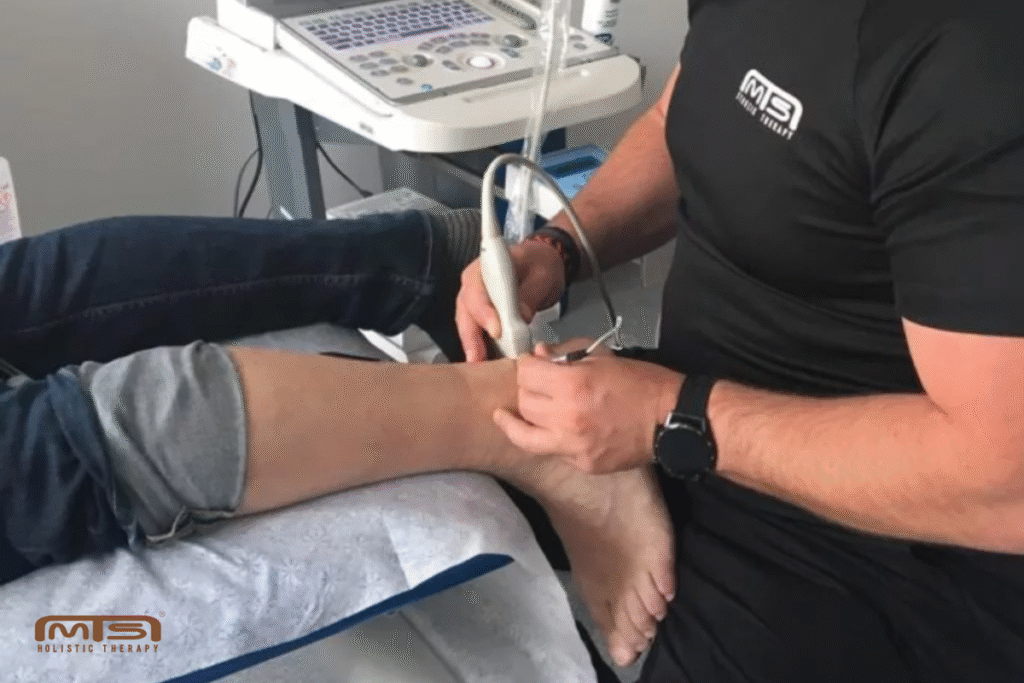
Percutaneous electrolysis EPTE is an effective method that precisely treats chronic tendon damage, reduces pain and inflammation and promotes faster tissue regeneration.
Combination of orthotics, rehabilitation and recovery
Treatment of morning Achilles pain should always be multidirectional. Stretching or resting alone may provide temporary relief, but if the cause of the problem is not addressed, the discomfort will recur.
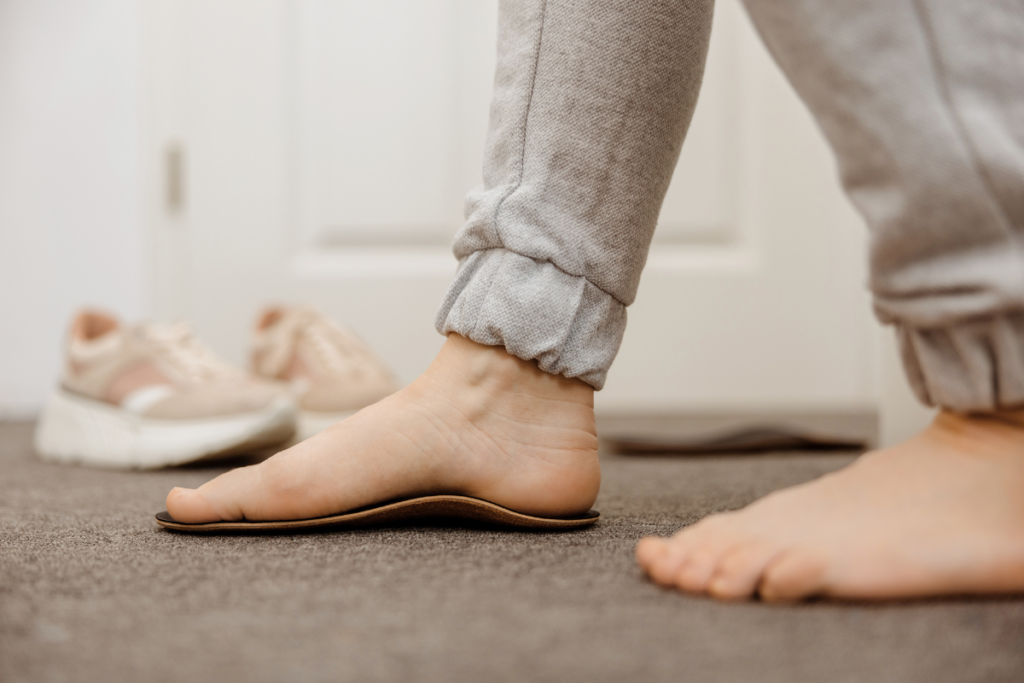
- Orthotics help correct abnormal foot alignment. They ensure that the Achilles tendon works in a more physiological position and is less prone to strain.
- Rehabilitation includes eccentric exercises for the calf muscles, improving the range of movement in the ankle joint and manual techniques to reduce tissue tension. Regular work with a physiotherapist can significantly reduce healing time.
- Regeneration is just as important as training. Adequate sleep, hydration and massage or rolling the calf promote the repair process. Ignoring recovery causes micro-injuries to increase and the problem to become chronic.
In many cases, it is only the combination of these three elements that produces a lasting effect and allows the patient to return to activity without pain.
FAQ
Not always. Often it is the result of temporary overload. However, if the discomfort persists for more than two weeks, it is worth consulting a physiotherapist.
Light stretching and strengthening exercises are advisable, but intensive running or jumping training can exacerbate the problem. It is best to introduce activity gradually, observing the body's reaction.
Footwear with good cushioning and heel stabilisation. Avoid heavily worn sports shoes that alter the natural alignment of the foot.
Indirectly, yes - abnormal muscle tone in the pelvis and lower back can alter gait patterns and put stress on the Achilles tendon.
Treatment time depends on the cause. With mild overload, improvement can occur within a few days. For established gait disorders, therapy is sometimes longer, but appropriate exercises and orthotics produce noticeable results within a few weeks.