

Endometriosis is a condition that often causes chronic pain, affecting daily life and wellbeing. Women struggling with this condition are looking for effective pain relief methods to complement drug treatment. Can physiotherapy for endometriosis provide real relief and improve the comfort of life, even with severe and chronic symptoms?
What pain symptoms accompany endometriosis?
Pain is one of the most characteristic symptoms of endometriosis. It can range in intensity and form from mild discomfort to severe, chronic discomfort. Pain is most common in the lower abdomen, sacrum and during sexual intercourse. Women also report painful periods, bloating, a feeling of pressure in the pelvis, difficulty emptying the bladder or bowels and fatigue due to chronic discomfort. Symptoms can be irregular and change over time, making daily functioning even more difficult. Physiotherapy for endometriosis can help control these discomforts by improving tissue mobility and reducing musculo-fascial tension.
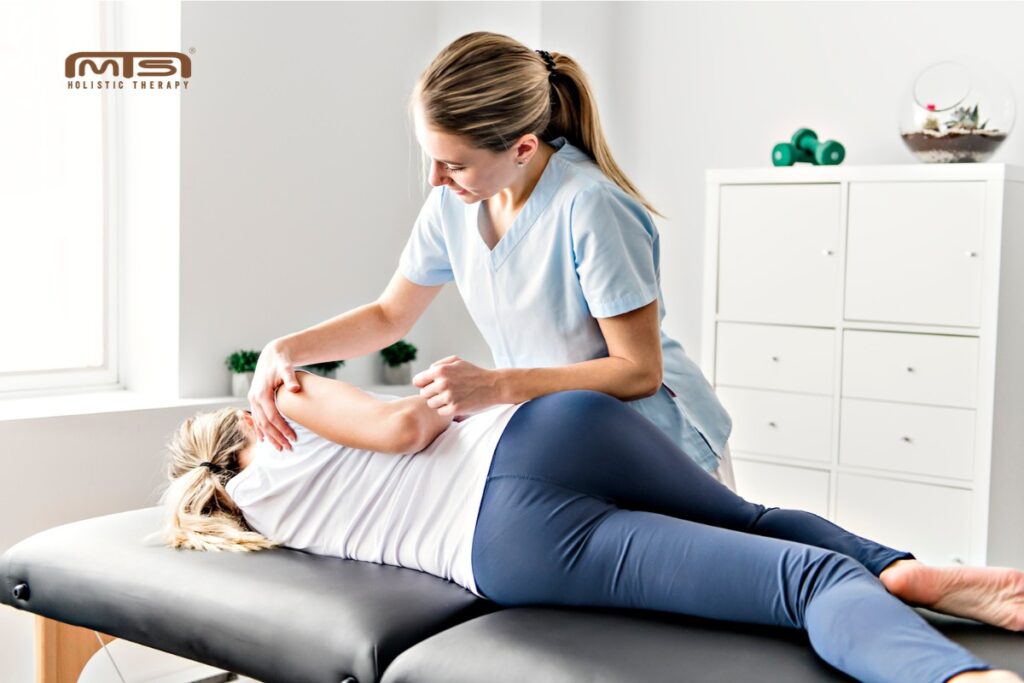
Urogynaecological physiotherapy is an effective method that reduces pelvic tension in women with endometriosis, improves pelvic floor muscle function and supports daily comfort and activity.
Which physiotherapy approaches are effective?
Physiotherapy for endometriosis includes several proven approaches. Urogynaecological therapy focuses on strengthening the pelvic floor muscles, improving muscle control and reducing pelvic tension. Visceral therapy, or manual work with the internal organs, helps to reduce contractures and improve tissue mobility, resulting in reduced pain. Manual physiotherapy includes massage, fascial release and joint mobilisation, which can reduce muscle tension and improve musculoskeletal function. In practice, combining these methods often produces better results than using single techniques. This supports both pain relief and comfort in daily activities.
Examples of physiotherapy techniques
Physiotherapy in endometriosis uses a variety of techniques that can be tailored individually to the patient's needs. Here are what the options are:
- Visceral therapy
Manual work with the internal organs helps to reduce fascial tension and contractures. Gentle techniques relax the bowels and uterus, improving blood and lymph flow and reducing chronic pain. The therapy can also benefit pelvic mobility and tissue elasticity. - Indiba
Indiba uses radio waves to provide deep tissue heating, increasing blood circulation and accelerating recovery. Treatments can improve muscle tone, reduce spasms and promote repair processes in the pelvic area, resulting in pain reduction. - Relaxation of the fascia
Manual techniques release fascial contractures in the pelvis, abdomen and spine. Regular sessions improve posture, reduce pain and promote comfort in daily activities. Fascial release is particularly effective for chronic tension and limited tissue mobility. - Urogynaecological exercises
Specialised exercises to strengthen the pelvic floor muscles improve their function and reduce tension. They can include breathing exercises, controlled muscle tension and relaxation, which promotes better support of the pelvic organs and a reduction in pain. - Joint and soft tissue mobilisation
Gentle mobilisation of the sacroiliac joints and lumbar region reduces stiffness and improves pelvic mobility. These techniques are particularly helpful for the chronic sacroiliac and lower abdominal pain that often accompanies endometriosis.

Visceral therapy is a precise method that reduces visceral pelvic tension in women with endometriosis, improves the mobility of internal organs and promotes pain reduction and daily comfort.
Patient outcomes and expectations
Patients report that regular physiotherapy in endometriosis has visible benefits. Reduced pain during menstruation and daily activities, improved sexual comfort and increased pelvic mobility are most commonly observed. It is important that therapy is individually tailored, as the severity of symptoms and pelvic changes vary between women. The effects of physiotherapy appear gradually - the first changes can be felt after just a few sessions. However, the full effect requires systematic work over several weeks or months. Co-operation with a qualified urogynaecological physiotherapist and consistency in performing the prescribed exercises at home significantly increases the effectiveness of the therapy.
FAQ
No, physiotherapy should not be painful. There may be a slight feeling of tension or temporary discomfort, but the aim is always to make the patient feel safe and comfortable.
Most often appointments are once a week or every fortnight. The frequency depends on the symptoms and how the body responds to the therapy.
No, it is an adjunct to pharmacological treatment. The aim is to reduce muscle tension, improve tissue mobility and reduce pain.
No, you do not need a referral. You can self-refer, although it is good to remain under the care of a gynaecologist in parallel.
Yes, it's worth it. Simple breathing exercises, relaxation exercises and positions that promote muscle relaxation enhance the effects of the practice and help you to feel improvements more quickly.



