At first glance, clenching the buttocks may seem innocuous and even beneficial - it is associated with muscle tone, which gives strength and control. In reality, however, when the movement becomes a habit performed involuntarily, such as when sitting, standing or even sleeping, it can lead to serious dysfunction of the entire musculoskeletal system. How is it possible that something so simple can cause back pain, knee problems and even pelvic dysfunction? Read more!
Where does the habit of clenching the buttocks come from?
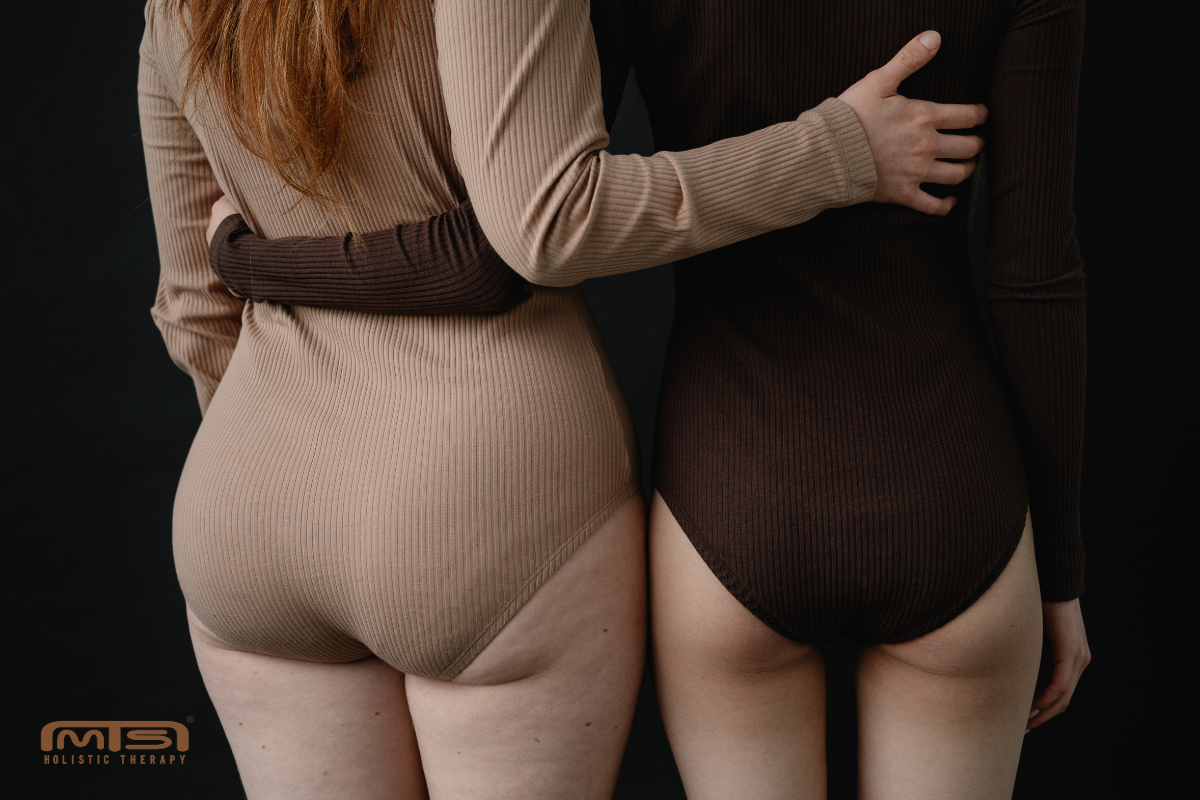
Tightening the glutes can be the body's response to many different stimuli. Stress, anxiety, emotional tension, the desire to 'maintain good posture' or trying to control muscles during exercise. It is also a common compensatory pattern in people who spend many hours in a sitting position. The gluteal muscles, especially the gluteus maximus muscle, are the base for maintaining an upright posture. However, when they are constantly activated, they cease to perform their function naturally.
This reflex pattern may also originate from outdated training recommendations. Some of these encourage 'flexing the glutes for stability' with every exercise. Many fitness instructors still unwittingly promote this approach, not realising that chronic muscle tightening can lead to overload and postural pathology.
Gluteal tightening - how does it affect the pelvis and spine?
Constant tightening of the buttocks moves the pelvis into a position known as retroversion, or posterior tilt. This leads to a flattening of the lumbar curvature of the spine, which disrupts its natural biomechanics. When the lower back loses its lordosis, other segments have to 'take over' the movement - most commonly the thoracic and cervical segments. The result is stiffness, compensations and complaints of pain.
In addition, overly tight buttocks make it difficult to properly activate the pelvic floor muscles and deep stabilising muscles (such as the transversus abdominis muscle).
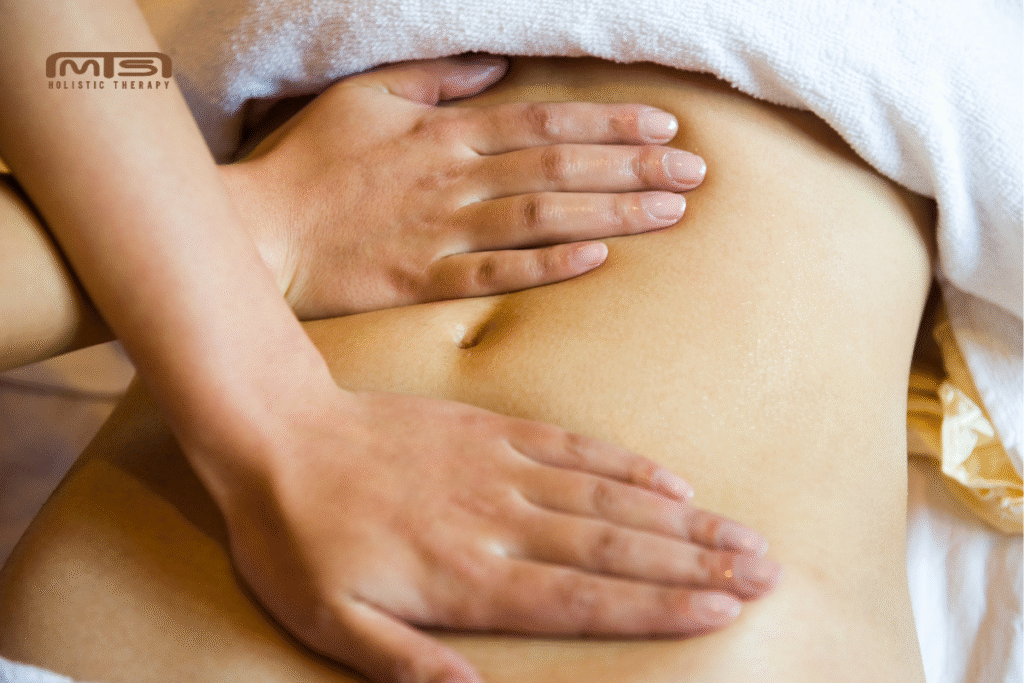
Tightening the buttocks not only affects the musculoskeletal system, but also the functioning of the internal organs. In some cases, it can be helpful to visceral therapy. Promotes normal mobility and tissue tension in the abdominal and pelvic region.
Gluteal tightening vs. knee and hip function
Although it seems surprising, buttock tightening also affects the mechanics of the knee joints. When the pelvis is misaligned, hip rotation is altered, which in turn affects the path of the patella and the position of the knee joint. This can lead to knee pain syndromes, especially in physically active people who regularly run, do weight training or perform squats.
In addition, excessive tension in the glutes limits the range of external rotation in the hips. This, in turn, after a prolonged period of time leads to reduced mobility and an increased risk of injury - especially in sports requiring dynamic changes of direction.
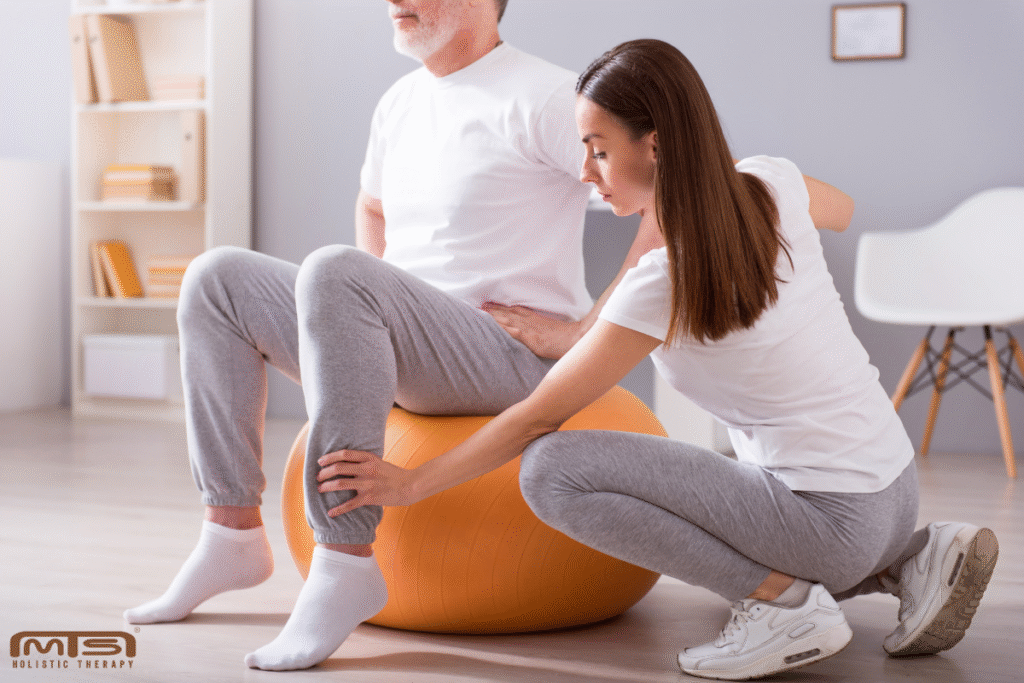
If chronic gluteal tightness leads to hip or knee pain or gait disturbances, it is worth considering specialist rehabilitation of the lower limb, which restores muscle balance and improves movement patterns.
A therapeutic approach to the problem of buttock tightening
The first step in therapy is to make the patient realise that tightening the glutes is a compensation and not a proper form of muscle activation. Our physiotherapists work with such individuals, teaching them how to relax the glutes and activate the deep stabilisers without excessive tension.
Popular techniques include body awareness training, breath work, manual therapy in the hips and pelvis and exercises to strengthen the abdominal muscles without overloading the buttocks. Methods are also often used sensory-motor integration. The idea is not to stop using the gluteal muscles - quite the opposite. It is important that they work when needed: when walking, climbing, jumping. At rest, when sitting or standing, they should remain neutral.
Gluteal tightness - when movement becomes a blockage
If it persists chronically, it affects not only the biomechanics of the body, but also the way we move in everyday life. People who live with tension often have limited fluidity of movement - their body becomes stiff, locked, as if ready to 'defend' itself. This is no coincidence - chronic muscle tension can be a record of long-term psychological stress. Psychoneuroimmunology shows that the body reacts to emotions as strongly as to physical trauma. Therapeutic approaches increasingly include not only postural correction, but also the psychological aspect - nervous system regulation, breath work and even somatic therapy.