Planning to run regularly but not sure where to start? Running is one of the easiest and most effective forms of physical activity that can have huge health benefits. However, for many beginners, the first step can seem daunting. We'll give you some tips on how to start running to avoid injury, take pleasure in it and gradually improve your performance.
Don't wait any longer - find out that running can be easier than you think. Read more to start your running adventure as soon as possible!
Running - what do you need to get started?
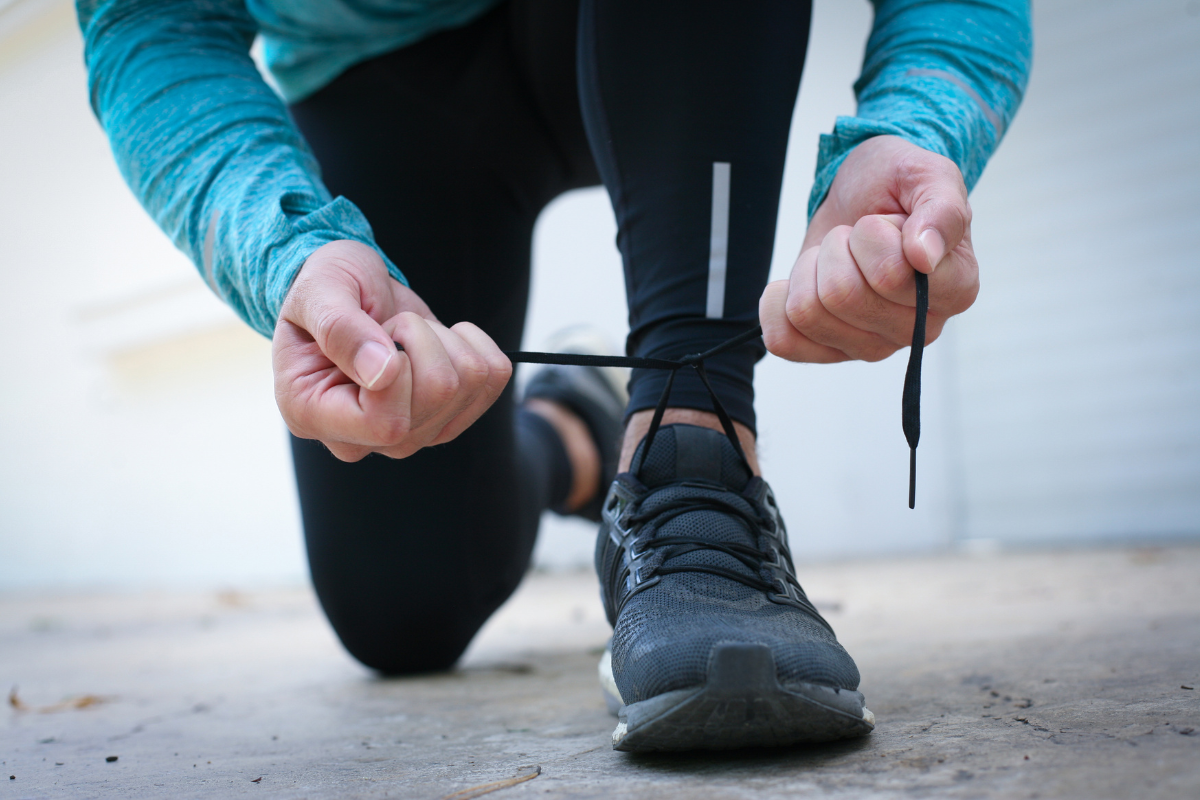
Before you start your running adventure, you need three things: running shoes, a place to run and, above all, the will to do it. The rest is superfluous! Of course, you can spend hundreds or even thousands of zlotys in a specialist running shop on professional equipment and the latest models of running shoes. However, is this really necessary? Catch the running bug first and then gradually invest in professional equipment. New gadgets can give you extra motivation. Unfortunately, buying expensive equipment at the beginning will not automatically make you a better runner.
You don't need any passes or entrance fees to run regularly. You can do your first training sessions in a nearby park or forest. Running puts strain on the knees, so beginners are advised to avoid jogging on asphalt or other hard surfaces. In terms of technique, instructional videos available on YouTube can be helpful. Developing a training plan should also not be a problem.

When it comes to choosing a place to run, you can start almost anywhere, but choosing the right place can affect your motivation, comfort and safety. Choose a place that is safe and runner-friendly. Forests, parks, paths or specially marked running trails are all great options for your first workouts. Try to avoid busy streets and city centres.
Remember that safety when running should become your priority. Use reflectors, a headlamp on your head and bright clothing. These items of clothing will keep you safe no matter where you run, especially in autumn and winter.
What next?
The most important thing is to define your goal. It could be to improve your wellbeing, lose weight or increase your fitness - it doesn't matter. The Roman thinker Seneca wisely said: "Ignoranti quem portum petat nullus suus ventus est". - for someone who does not know what port they are heading for, any wind is unsuccessful.
The hardest step is getting out of the house and overcoming inner laziness. After that, it's downhill from there. Many people explain their laziness with bad weather. There is nothing more pleasant than a refreshing run in the rain or the feeling of cold air in winter. A morning jog in silence has its own unique charms. As they say, "There is no bad weather or time of day, there are only weak characters!"
Running and warm-up
There are plenty of conflicting opinions circulating about the warm-up before running training. If you are just starting to run and want to get to know your body well, a short warm-up should become a regular part of every workout. It doesn't have to be an intense set of exercises. It is enough to give your body time to prepare for the effort before you start running.

Ideally, a dynamic march towards the running route gradually transitions into a slow jog. It is worth enriching this stage with exercises to stimulate various parts of the body: bending the knees, arm sweeps, stepping or skip C (drawing the heels towards the buttocks). However, it is important not to combine dynamic exercises with static stretching, i.e. classic stretching exercises on the spot. This could lead to damage to the muscle fibres.
Stretching, understood as a set of exercises to 'cool down' the muscles after running training, involves tensing individual muscles and holding them in this state for about 25-30 seconds. One series of 5-10 repetitions is sufficient for each muscle. This allows you to exercise not only your legs, but also your back and chest. Many runners find that stretching after training helps to reduce the risk of injury!
What are the benefits of regular running?
Running is one of the simplest and most effective forms of physical activity, with a range of benefits for both body and mind. Regular running improves fitness and endurance, strengthens the heart and cardiovascular system, lowers blood pressure and bad cholesterol levels. It also strengthens leg muscles, improves posture and helps maintain a healthy body weight. What's more, running has a huge impact on mental health. When you run, your body produces endorphins, known as happy hormones, which reduce stress and improve your mood. Regular running can also improve the quality of your sleep, increase your energy and concentration levels and help build your confidence. Whether you run for health, for pleasure or in preparation for a competition, running can become a valuable part of a healthy lifestyle.