
Modern lifestyles mean that we spend most of the day in a sitting position. Office work, studying and even relaxing in front of a computer or TV screen lead to prolonged immobilisation of the body. Although this seems harmless, the effects of a sedentary lifestyle can be serious and affect almost every system in the body. Back problems, the cardiovascular system, metabolism and mental health are just some of the consequences.
Musculoskeletal problems
One of the first effects of a sedentary lifestyle is the deterioration of the musculoskeletal system. Prolonged maintenance of the same position weakens some muscle groups and overloads others. Postural muscles are most often affected, especially in the lumbar and cervical spine.
Constant tilting of the head towards the monitor leads to tension in the neck muscles and increased strain on the cervical region, which can result in chronic pain and so-called 'neck pain'. tech neck. The gluteal muscles are also weakened and lose their stabilising function, putting additional strain on the lower back. The result can be not only pain, but also joint degeneration and discopathy.
Cardiovascular disorders and increased risk of cardiovascular disease
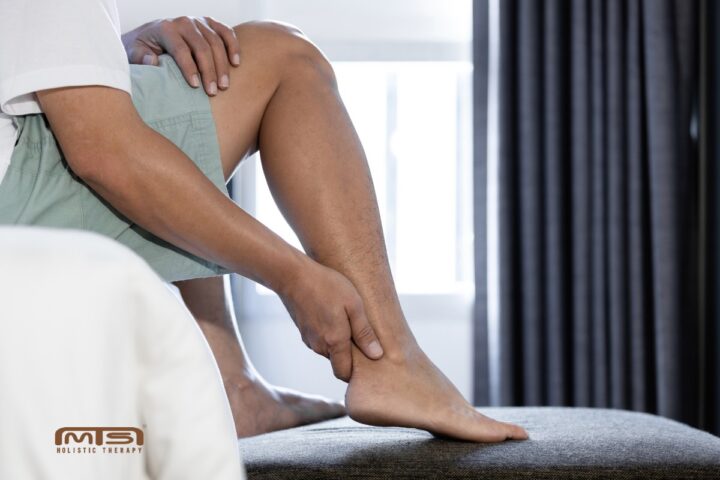
A sedentary lifestyle negatively affects the circulatory system. Lack of physical activity causes blood flow to slow down, which can lead to venous stasis and swelling, especially in the lower limbs. People who spend many hours in the same position have an increased risk of venous thrombosis, especially if they do not take regular stretching and walking breaks.
Prolonged sitting also increases the risk of hypertension, atherosclerosis and other cardiovascular diseases. Lack of exercise makes the heart work less efficiently and blood vessels lose their elasticity. Over time, this can lead to a heart attack or stroke.

Negative effects on metabolism and weight control
One of the key effects of a sedentary lifestyle is a slower metabolism. Lack of exercise means less energy is required, which can lead to fat accumulation, especially in the abdominal area. A sedentary lifestyle also promotes insulin resistance, which can lead to the development of type 2 diabetes.
Low energy intake combined with an unhealthy diet leads to overweight and obesity, which in turn increases the risk of metabolic diseases such as fatty liver, hypercholesterolaemia and metabolic syndrome. Regular exercise helps regulate blood sugar levels, so prolonged immobility negatively affects the body's glucose metabolism.
Problems with the digestive system
Incorrect posture and prolonged sitting also affect the functioning of the digestive system. Compression of the internal organs and lack of movement slows down intestinal peristalsis, which can result in constipation and flatulence. In addition, a sedentary lifestyle increases the risk of gastro-oesophageal reflux, as it weakens the lower oesophageal sphincter tone, which can lead to backflow of gastric contents.

The effects of a sedentary lifestyle on mental health
It is not only the body, but also the psyche that feels the negative effects of a sedentary lifestyle. Lack of physical activity is one of the factors leading to low mood, depression and anxiety. Regular movement promotes the production of endorphins, or happiness hormones, so prolonged immobility can have a negative impact on overall wellbeing.
Long hours spent in front of a computer screen can put additional strain on the nervous system and lead to chronic stress. Lack of exercise also reduces the ability to concentrate and efficiency at work, which in the long term can contribute to chronic fatigue.
How to minimise the effects of a sedentary lifestyle?
Although modern lifestyles require spending many hours sitting, there are ways to reduce the negative effects of a sedentary lifestyle. Here are some key actions:
- Regular breaks - Getting up every hour and doing some simple stretching exercises helps to stimulate circulation and reduce muscle tension.
- Workplace ergonomics - Proper positioning of the monitor, chair and desk can help maintain proper posture and reduce the back strain.
- Physical activity - Daily walking, strengthening exercises and stretching help to prevent the effects of a sedentary lifestyle.
- Improving eating habits - A healthy diet rich in fibre and adequate hydration support the digestive system and metabolism.
- Application of relaxation techniques - Yoga, meditation or breathing exercises can help to reduce stress and improve wellbeing.
The effects of a sedentary lifestyle can be serious, but by making even small changes to your daily routine, you can limit the negative impact. Regular exercise, attention to posture and a health-conscious approach are key to staying physically and mentally fit.