

Cold therapy is one of the most effective methods to aid recovery. Used for years in sports medicine, rehabilitation and the treatment of chronic conditions, cryotherapy has gained recognition for its analgesic and anti-inflammatory properties. How does cryotherapy affect the body? The effect of low temperatures leads to a number of physiological reactions that accelerate healing processes, reduce muscle tension and improve circulation.
Thanks to cryotherapy, it is possible not only to effectively reduce pain, but also to support recovery from injuries and improve patients' mobility. Furthermore, the use of this method in rehabilitation allows for a faster return to full fitness, while minimising the risk of complications and chronic pain.
How does cryotherapy work on the body?
Cryotherapy involves the use of extremely low temperatures to stimulate repair processes in the body. The mechanism of action of this method is based on the rapid contraction of blood vessels under the influence of cold, followed by their dilation after the treatment. This effect leads to more intensive transport of oxygen and nutrients to the tissues, which accelerates regeneration and reduces swelling.
One of the most important effects of cryotherapy is its analgesic effect. How does cryotherapy work in this regard? The cold inhibits the conduction of nerve impulses responsible for the sensation of pain, causing patients to experience immediate relief. In addition, the body releases endorphins in response to the low temperature, which act as natural painkillers.

Cryotherapy - applications in rehabilitation
Treatment of injuries and inflammation
Injuries and chronic joint inflammation can significantly limit patients' daily functioning. How cryotherapy works in the treatment of injuries? Due to the rapid contraction of blood vessels, swelling is reduced and inflammation is reduced. Cold therapy works particularly well for treating sprains, contusions, muscle strains or tendonitis.
Cryotherapy after operations
Patients following orthopaedic surgery, such as ligament reconstruction, endoprosthesis or spinal surgery, often struggle with pain and restricted mobility. How does cryotherapy work in the recovery process? Lowering the temperature minimises the risk of inflammatory complications, reduces swelling and relieves pain, allowing physiotherapy to begin sooner and the patient to return to fitness.
Cryotherapy - how does it work on muscles after exercise?
Athletes and physically active people often use cryotherapy to speed up recovery after intensive training. How does cryotherapy work in the context of muscle recovery? Exposure to cold reduces micro-damage to muscle fibres, reduces soreness and improves blood circulation. Regular use of this method avoids overload and injury, resulting in better sports performance.
Therapy of chronic pain and rheumatic diseases
People with chronic rheumatic conditions, such as rheumatoid arthritis or fibromyalgia, often experience chronic pain and joint stiffness. How does cryotherapy work in such cases? Thanks to its anti-inflammatory and analgesic effects, cold can effectively relieve symptoms, improving patients' comfort and increasing their mobility.
Types of cryotherapy used in rehabilitation
How does topical cryotherapy work?
It is a method involving the application of cold to a specific area of the body using ice, cold packs, cooling sprays or specialised cryotherapy equipment. Thanks to the controlled lowering of the temperature at the site of injury, it effectively reduces swelling, reduces inflammation and accelerates tissue regeneration.
Systemic cryotherapy - when, what and how?
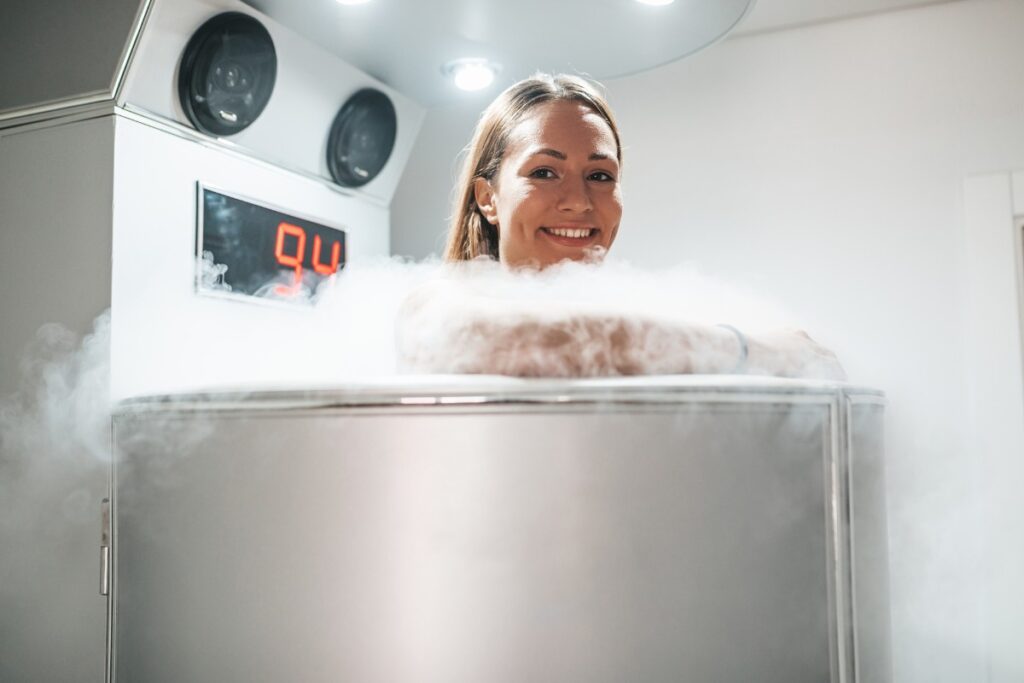
This is a therapy carried out in a cryochamber, where the whole body is subjected to extremely low temperatures (up to -160°C). Through the body's intense response to the cold, circulation is improved, immunity is strengthened and pain and muscle tension are reduced. This treatment is particularly popular with athletes and people suffering from chronic joint and muscle pain.
Cryotherapy - how to use it safely?
Despite the numerous benefits of cold therapy, there are some contraindications to its use. How does cryotherapy affect the body in people with cardiovascular disease, hypertension or diabetes? It can cause excessive hypothermia, an abnormal response of the blood vessels and a risk of complications. It is therefore advisable to consult your doctor before starting therapy or physiotherapist.
In order for cryotherapy to be effective, it is crucial to follow the specialists' recommendations and to choose the right type of treatment depending on the patient's needs. Regular treatments can have long-lasting benefits, improving quality of life, mobility and general body condition.



