
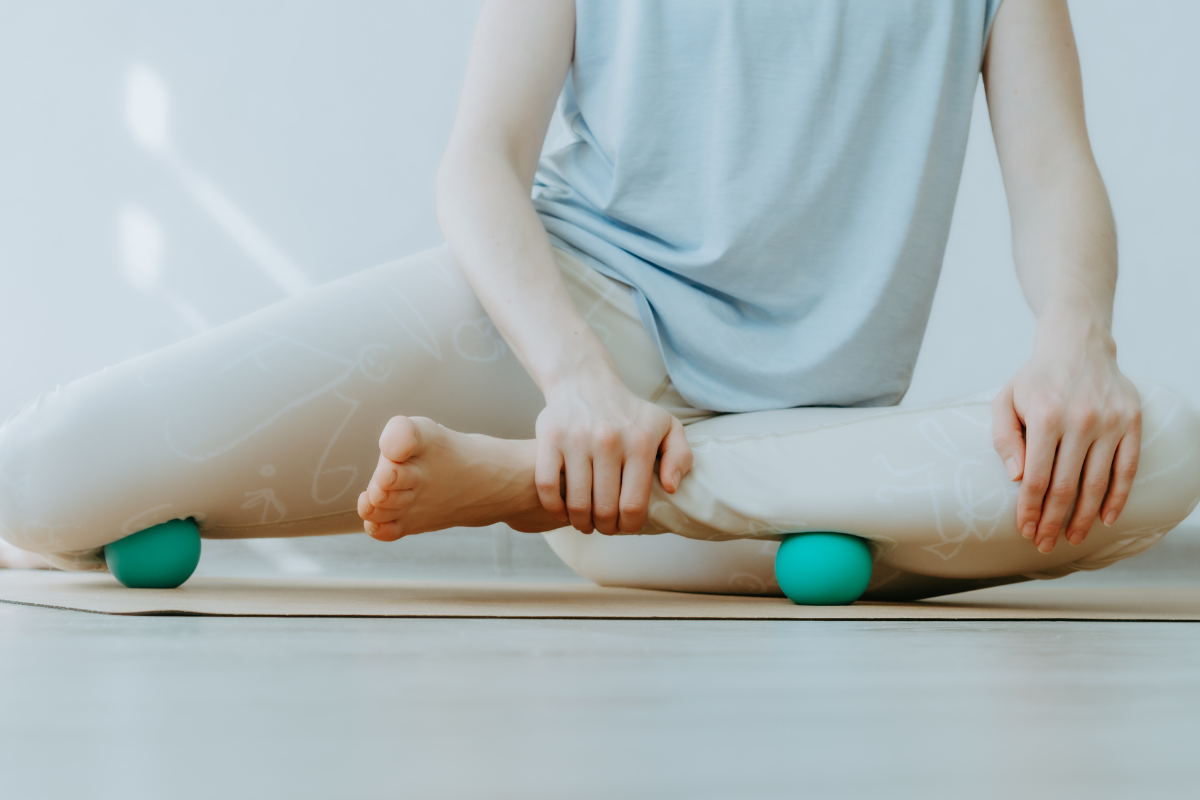
Fascia is one of those structures in the human body whose existence is often forgotten, despite its important function in maintaining health and fitness. Its impact on the functioning of the body is invaluable. Find out more about what fascia is, how to care for it, and why we should pay attention to its condition.
What is fascia?
Fascia is a thin, white membrane through which muscle power is transmitted. It is considered an extremely important part of the human locomotor apparatus and connects both bones and muscles together. The organs are suspended in it and it also cushions the spinal column. Also tendons, ligaments and intervertebral discs are part of the fascial system. Disregarding the importance of fascia puts us at risk of pain, risk of injury during training or stiffness in joints and muscles. This is because the human musculoskeletal system requires regular "oiling". Muscle mobility and elasticity depend very much on the quality of the function of the fascia, as well as its degree of hydration.
How do you look after your fascia?
Rolling the body with a foam roller provides hydration of the fascia. This occurs through deep tissue massage. Regularly performing such a massage makes the body more limber and improves the efficiency of the musculoskeletal system. Muscle performance and blood circulation are also improved. In addition, it is a good idea to stretch the body regularly, which allows the fascia to organise itself better and more oxygen to reach the muscles. It is also important to hydrate the body and provide it with the right food (more vegetables and fruit!).
Types of fascia
There are several types of fascia in the human body, including:
- Superficial fascia - It is located just under the skin and surrounds and connects the fat tissue to the muscles. It has an important role in regulating body temperature and protecting the organs.
- Deep fascia - is more compact and surrounds the individual muscle groups. It is this that has a stabilising function, allowing the muscles to stretch properly and work together.
- Visceral fascia - surrounds the internal organs and holds them in place.
- Nerve fascia - protects the nerves, providing them with adequate protection and supporting their function.
Main functions of fascia
Fascia has many functions in the body that are essential for daily functioning:
- Stabilisation and support - The fascia connects the different structures of the body together, providing stability and maintaining proper posture.
- Conduction of forces - Thanks to the fascia, the forces that are generated during movement are efficiently distributed throughout the body, allowing for smooth and efficient movements.
- Protection of organs - The fascia has a protective function, forming a cover for the organs and preventing their displacement.
- Flexibility and extensibility - Thanks to its elasticity, fascia allows muscles to stretch, which is essential during physical activity.
- Body integration - The fascia acts like a network, connecting the different parts of the body and enabling them to work together during any movement.
Musculo-fascial therapy - rehabilitation i physical therapy Wroclaw
Musculo-fascial therapy is becoming increasingly popular. It is used in the treatment of muscle pain, joint inflammation, strains, injuries and chronic pain conditions. It produces excellent results. Musculo-fascial massage is based on the concept of connecting the different structures of the body, fascia and muscles into systems called muscle bands. These tissues often become overstretched, sticking together and thus limiting mobility and provoking inflammation. Massage aims to break up the conjoined fascias and muscles. It restores mobility and flexibility to the affected tissues.
Manual therapy - what does fascial massage help?
Fascial therapy is used for many ailments and diseases. However, it is most commonly used to treat the musculoskeletal system. Other ailments include osteoarthritis and rheumatism, muscle and joint pain and discomfort, back pain, pain in the limbs of unknown origin, pain syndromes (e.g. sciatica or carpal tunnel syndrome), migraines, swellings, joint injuries and strains, contractures, muscle stiffness, pelvic floor muscle pain or stress urinary incontinence. In addition, fascial massage is also effective for gastric problems and organ pain (e.g. stomach).
How do you take care of the fascia yourself?

If you want to keep your fascia in good shape, it's worth taking up physical activity on a regular basis, especially exercises such as stretching and mobilisation. Activities such as yoga, Pilates and exercises that improve muscle flexibility are a great way to keep the fascia flexible. In addition to exercise, fascial massages, especially those using a massage roller, significantly help to relax tight areas of the fascia. In this way, they restore its normal function. An important part of caring for the fascia is also adequate hydration of the body. Water is an essential element of our body and is of great importance in maintaining the elasticity of the tissue. Remember that chronic stress and emotional tensions can negatively affect our body, causing spasms in the fascia, so it is worth introducing relaxation techniques such as meditation into your daily routine to reduce tension. In addition, a diet rich in collagen and vitamins A, C and E supports the health of connective tissues, including the fascia, and foods containing protein, healthy fats and vegetables are essential for its regeneration.



