
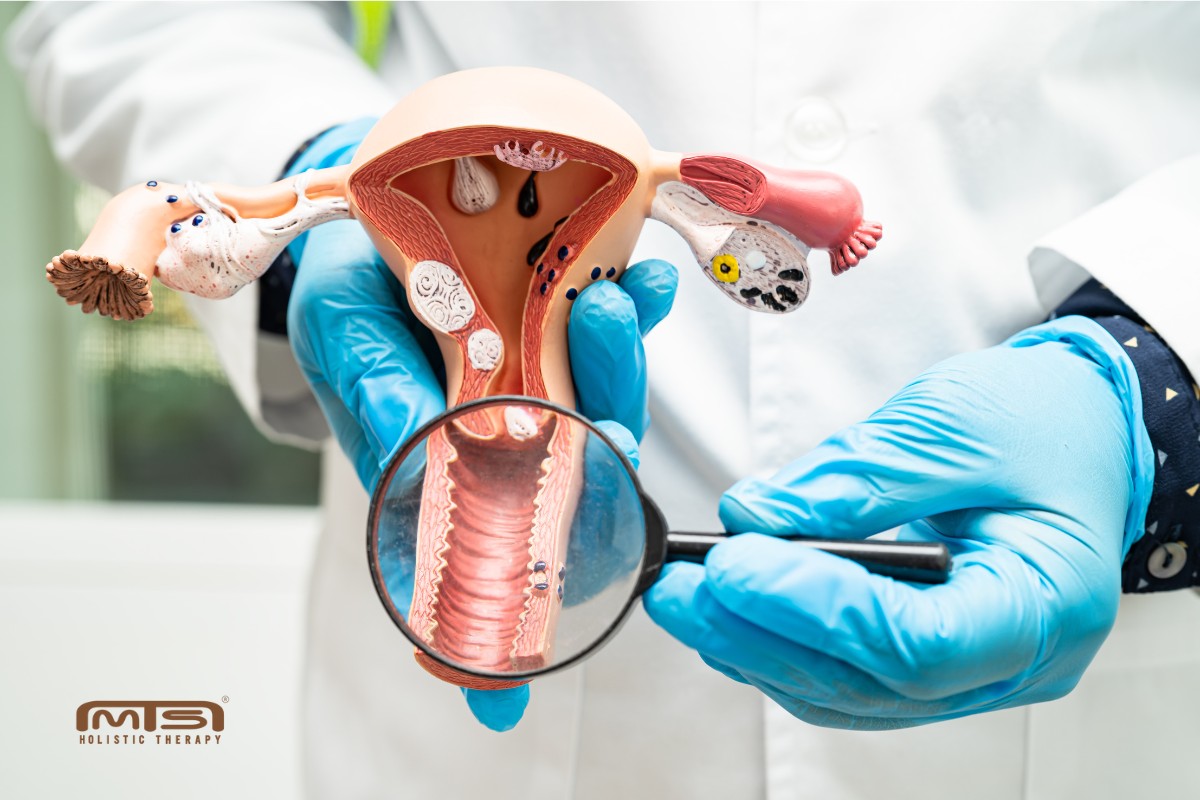
Many women are familiar with the problem of recurring intimate infections - burning, itching, discharge, sometimes even pain during intercourse. Antibiotics, globules, probiotics - after a while everything comes back like a boomerang. What if there was a solution that didn't burden the body and supported natural regeneration? More and more patients are turning to alternative methods, one of which is gynaecological ozone therapy. What exactly is it and why does it arouse so much interest?
How does ozonated water work?
Ozonated water is nothing more than ordinary water saturated with ozone - a gas with strong oxidising properties. It has bactericidal, fungicidal and virucidal effects without destroying the natural vaginal flora. Unlike antibiotics, it does not disrupt the microbiological balance, which is often already strained. Gynaecological ozone therapy takes advantage of this property in a safe and targeted manner.
During the procedure, the gynaecologist introduces ozonised water of the appropriate concentration into the vagina. It is neither painful nor invasive. Ozone has a superficial but effective effect - destroying pathogens, accelerating healing and relieving inflammation. In practice, this means fewer recurrences, less risk of chronic infections and less frustration for patients who struggle for months with the same problem.
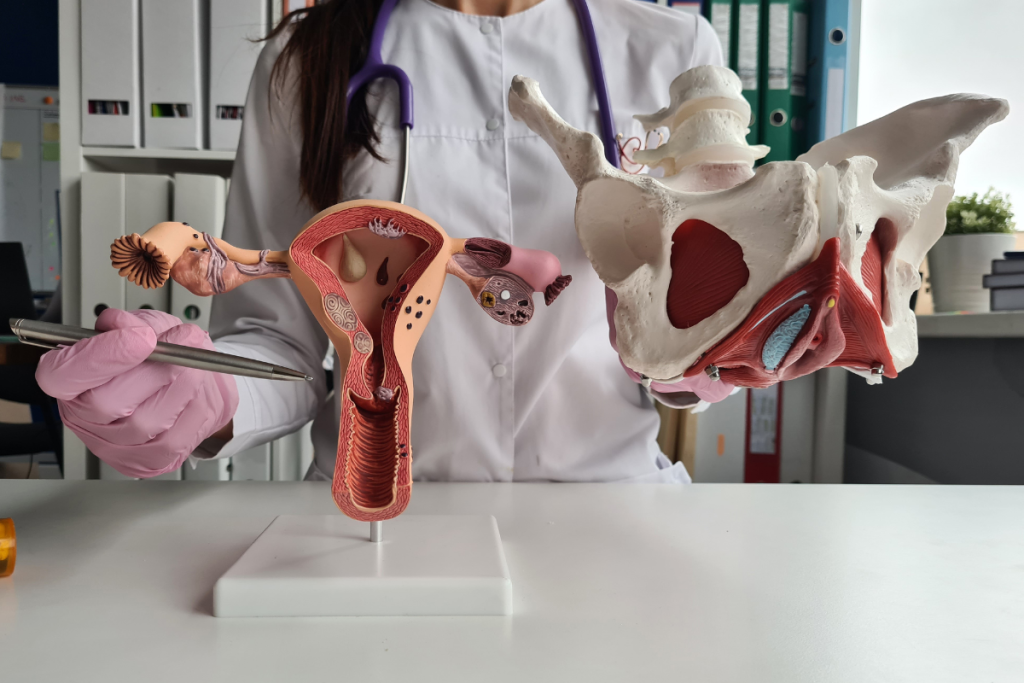
Ozonised water therapy promotes regeneration, improves blood supply and oxygenation to the tissues and soothes irritation in the intimate area.
Gynaecological ozone therapy - who is it safe for?
Gynaecological ozone therapy is safe for most women - also during pregnancy (after consultation with the doctor), postpartum, menopause, and for patients with recurrent fungal infections, bacterial vaginitis or mixed infections. It also works well for vulvar lichen, erosions or chronic inflammation of the cervix.
The advantage of the therapy is that it has no systemic effect - ozone only works where we need it. It does not burden the liver, does not affect the digestive system, and does not lead to antibiotic resistance. Moreover, it can also be used prophylactically - in women who frequently use swimming pools, saunas or those who are prone to infections after antibiotic therapy.
Of course, like any medical method, gynaecological ozone therapy has its contraindications - including an allergy to ozone (rare but possible), active bleeding from the genital tract, genital tumours or recent pelvic surgery. It is therefore always advisable to consult your doctor before deciding on treatment.
What effects do patients observe?
Patients who benefit from gynaecological ozone therapy most often remark:
- Reducing the symptoms of intimate infections
Gynaecological ozone therapy effectively reduces itching, burning and excessive discharge after the first treatments. - Less frequent recurrence of vaginal infections
Thanks to the antimicrobial effect of gynaecological ozone therapy, many patients notice a marked reduction in the frequency of recurrences. - Faster healing of erosions and inflammatory lesions
Ozonated water treatments accelerate the regeneration of vaginal and cervical tissues. - Improving intimate comfort
Gynaecological ozone therapy reduces pain and discomfort, which has a positive impact on the quality of sexual life. - Better tolerance of other forms of treatment
Patients tolerate urogynaecological physiotherapy and other therapies better thanks to the soothing effect of ozone. - Reduced use of vaginal antibiotics
The use of gynaecological ozone therapy reduces the need for antibacterial and antifungal drugs. - Support for the natural balance of the vaginal microflora
Instead of destroying beneficial bacteria, ozone therapy promotes the restoration of the physiological intimate environment.
It's not magic, it's physicochemistry. Ozone not only kills microorganisms, but also stimulates regenerative processes in the tissues. Therefore, gynaecological ozone therapy is not limited to 'firefighting', but promotes the restoration of the vaginal environment.

Link gynaecological physiotherapy with ozonised water therapy produces faster healing effects - reducing inflammation, promoting healing and improving intimate comfort. It acts not only symptomatically, but also causally, facilitating the permanent elimination of ailments.
Gynaecological ozone therapy versus urogynaecological physiotherapy
What really makes a difference is the holistic approach. More and more specialists are combining gynaecological ozone therapy with urogynaecological physiotherapy - and rightly so. Why? Because intimate infections often do not come out of nowhere. Tension in the pelvic floor muscles, poor toilet habits, improper hygiene or mechanical trauma (e.g. after childbirth) can predispose to chronic problems.
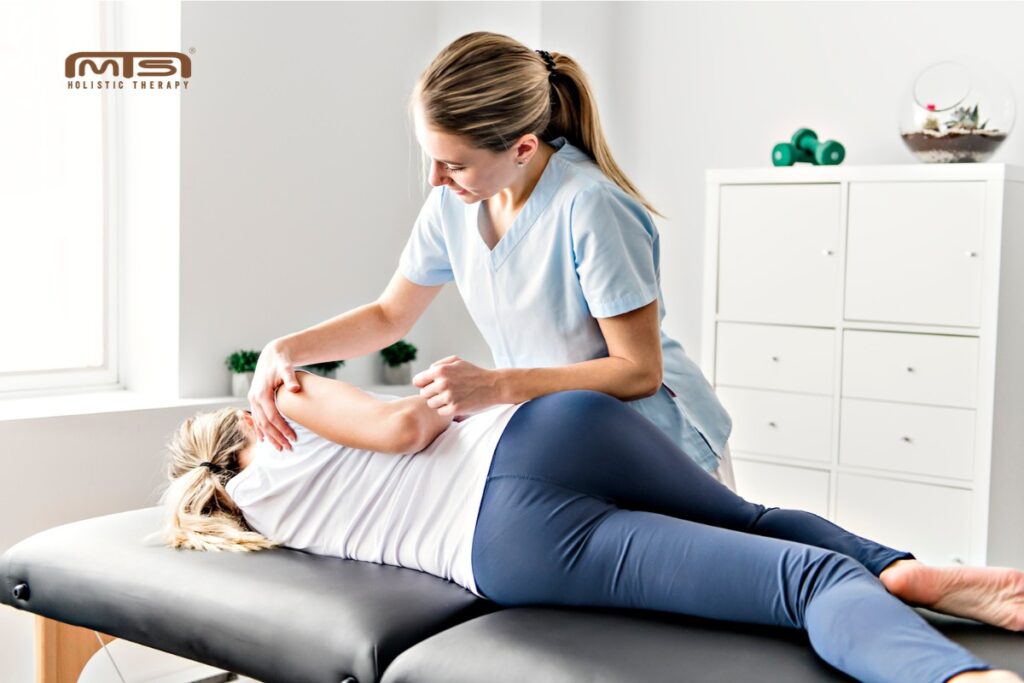
Urogynaecological physiotherapy teaches the patient to be more in touch with her own body - improving flexibility, strengthening weakened structures and reducing painful tension. The combination of these two methods produces real results - fewer infections, a better sense of wellbeing, an improved quality of sexual life and overall comfort.
Gynaecological ozone therapy can be used both as 'first aid' for acute infections and as a long-term therapy to support recovery after childbirth, surgery or during menopause. When we include work with a physiotherapist, we gain comprehensive intimate health care - without the need for further medication.
FAQ
No. The treatment is painless and lasts a few minutes. You may feel a slight cooling or spreading sensation.
Often improvements are noticeable after just 1-2 treatments. A series of 3-6 appointments is standard.
Treatments are not recommended during menstrual bleeding.
It can support treatment or be an alternative in mild and chronic infections. It is up to the doctor to decide.
Yes, but only after prior consultation with the attending gynaecologist.



