
In the world of physiotherapy, there is a growing need to search for methods to better understand the patient's body and respond more effectively to their needs. Classic mobilisation techniques or deep tissue massage are sometimes insufficient when the source of pain is emotional tension or flow disturbances in the nervous system. This is why more and more therapists are reaching for a course in pinopressure, seeing it not just as training in a new method, but as an opportunity to develop manual awareness. Pinopressure is the art of „reading” the body - a way of communicating with the nervous system that makes it possible to achieve effects often unattainable with traditional techniques. What are the advantages of this method and why no course can replace the experience of practice?
Pinopressure as a language of communication with the patient's body
Pinopressure is a unique neurophysiological technique that combines elements of reflexology, acupressure and manual therapy. Instead of forceful work, the therapist uses special tools - pins and pinocats - which precisely act on fascial points and deep sensory receptors. This makes it possible to achieve a relaxing effect without pain or resistance on the part of the patient.
In practice, this means that the therapist not only performs specific movements, but enters into a dialogue with the patient's nervous system. Pinopressure is not about mechanically repeating patterns - it is dynamic work with the body's reactions, in which every touch has meaning. Participants who complete a pinopressure course often emphasise that it is only then that they begin to really „listen” to the tissues and understand how emotions affect muscle tension.
5 signs that it is time to expand the therapist's workshop
Not every physiotherapist immediately reaches for new methods. Often the decision matures with experience and observation of patients. Here are some signs that a pinopressure course could be the next step in your development:
- Patients return with recurrent pain, even though manual work appears to be effective.
- You feel that structural techniques are too „hard” and that the patient's body needs a gentler, more neurophysiological form of therapy.
- You start to notice the link between emotions and muscle tension, but you lack the tools to work with it.
- You want to develop your manual feel, not just replicate the teacher's movements from the course.
- You are looking for a method that accelerates the effects of the therapy without having to increase the pressure.
Pinopressure allows therapists to push the boundaries of classical techniques, combining knowledge of anatomy, neurology and psychosomatics into one coherent approach.
Pinopressure course - development of manual sensation and intuition
What sets the pinopressure course apart is the way it is taught. The programme developed by MTS Holistic Therapy does not focus on rigid protocols, but on developing manual attentiveness and an understanding of the body as a whole. Each module teaches observation of the patient's reactions - from subtle changes in tension to micro vibrations of the skin.
By working with pins and pinocats, the therapist learns to recognise where the tissue „breathes” and where it remains blocked. Over time, the gestures become intuitive - they do not come from instructions, but from feeling. Therefore, a pinopressure course is not just another training in „manual techniques”, but a process of expanding awareness of touch and understanding the responses of the nervous system.
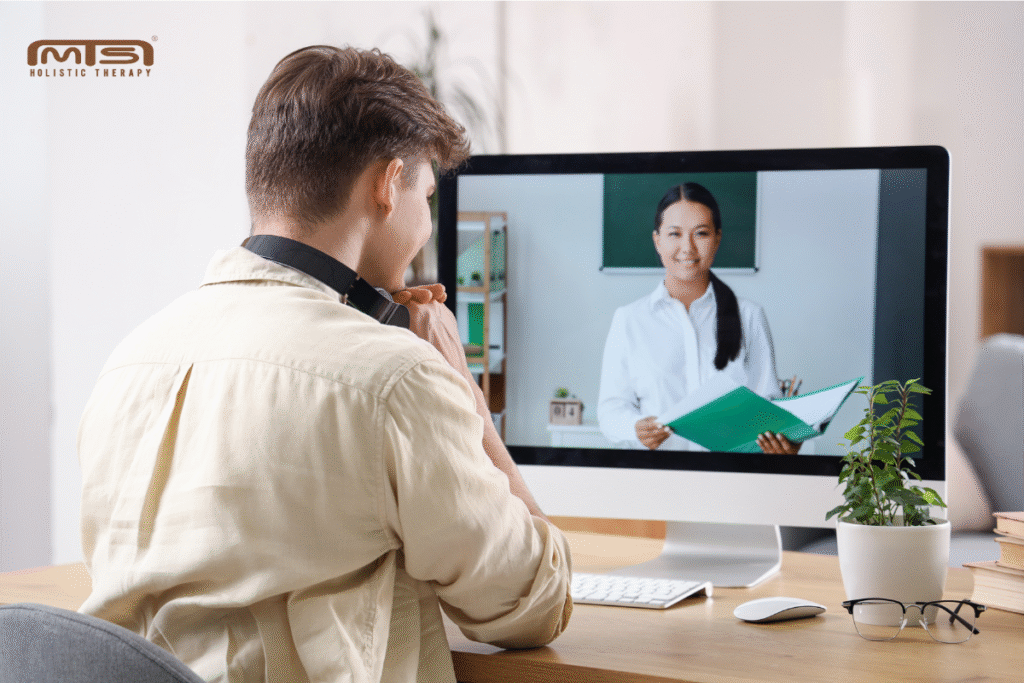
Find out more about what an online pinopressure course looks like and how it can transform your approach to working with patients: see the website for details: Pinopressure Online Course
Real patient outcomes
Therapists who have completed a pinopressure course notice a marked difference in the effectiveness of the therapy. Patients often respond more quickly - experiencing pain reduction, relaxation and improved range of movement after just one session. The method is ideal for working with chronic tension, back pain, joint pain and psychosomatic disorders.
Pinopressure not only acts locally, but affects the whole system - from the fascial response to the limbic system. The result is an improvement not only in mobility, but also in the patient's overall wellbeing. Many therapists emphasise that this method helps them to combine physical work with the emotional aspect of therapy - which often leads to more lasting results than classical approaches.
Pinopressure course - what is practice like after the course?
Thanks to a modern learning formula, the MTS online pinopressure course allows students to gain practical skills without attending an in-person class. Students are given access to instructional videos, descriptions of techniques and recordings of therapy sessions. Unlike many traditional training courses, this course focuses on understanding body reactions rather than memorising movement systems.
Physiotherapists who have completed the course emphasise that even remote work can develop manual sensing if approached with mindfulness. When combined with clinical practice, pinopressure becomes a tool that makes a real difference to the way we work - making sessions more effective and patients recover faster.
FAQ
No, but a basic knowledge of anatomy and physiotherapy makes it easier to understand the mechanisms of pinopressure. The course guides the participant step by step, teaching both theory and practice.
Yes, especially in cases of chronic pain and muscle tension. The technique stimulates deep sensory receptors, affects the nervous system and restores the natural tone of the tissues, often leading to an immediate reduction in pain.
The basic set are pins and pinocats, which can be purchased from the MTS Holistic Therapy shop. Their shape and weight are adapted for precise work on fascial points and reflex zones.
Definitely yes. Pinopressure perfectly complements techniques such as fascial therapy, deep tissue massage or joint manipulation. It enhances the effect of therapy by helping to reach deeper: to the level where tension originates in the emotions and nervous system.



