
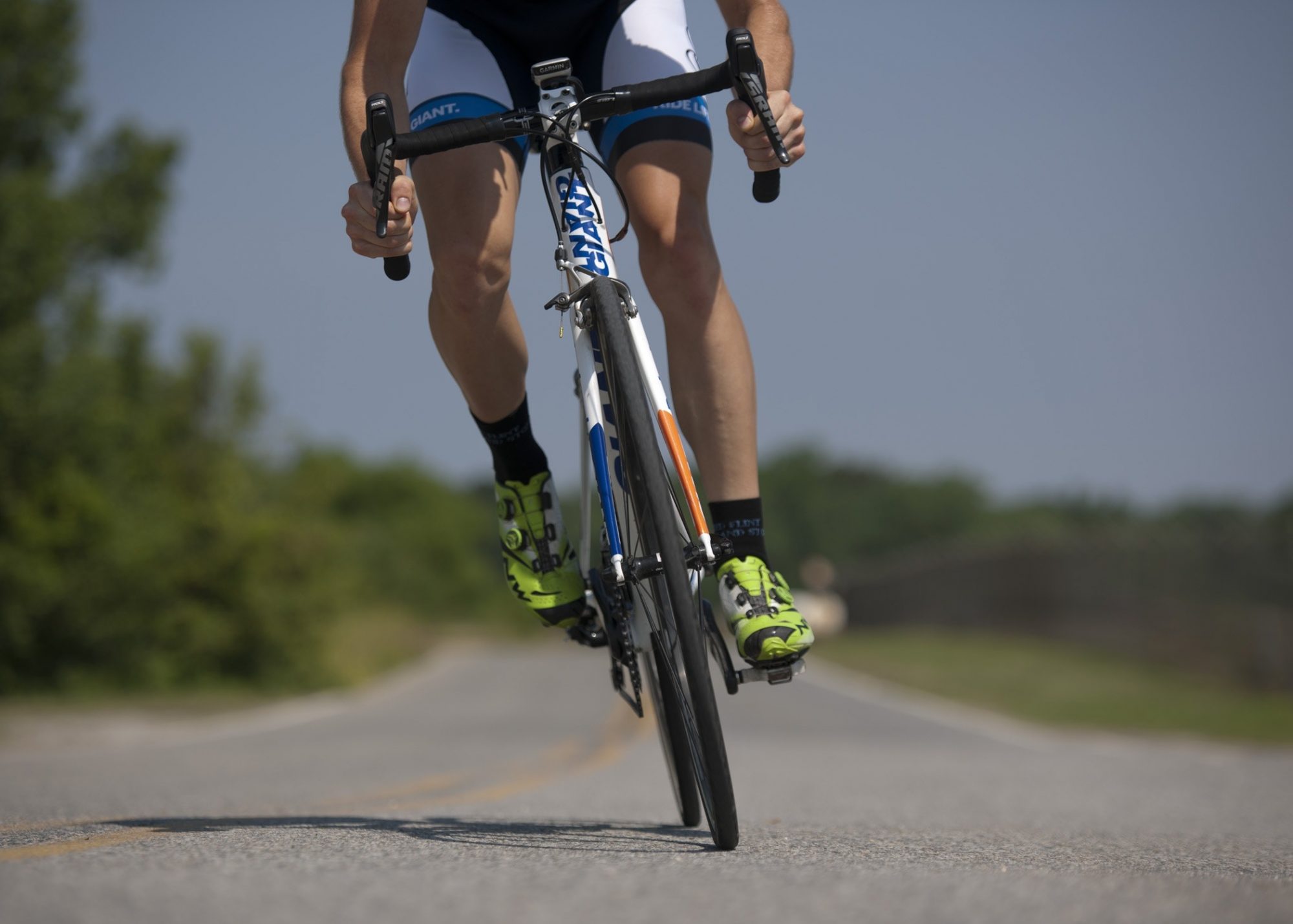
The longing for nice weather, the anticipation of the first rays of sunshine and the delight of finally being able to take the bike out of the cellar make us want to ride away as quickly as possible when we feel two wheels under us. However, inadequate preparation for the road often ends in pain or injury. Cycling injuries may cause, that for a long time cycling will again remain only in the sphere of dreams. So, what injuries are the most common for cyclists and how can they be avoided?
Causes of cycling injuries
There are eight main causes of injury to cyclists. These include:
- ill-fitting equipment,
- inadequate clothing,
- incorrect driving technique,
- lack of preparation for driving,
- not enough time devoted to regeneration,
- incorrect diet,
- poor biomechanical balance,
- accidents.
Cycling injuries and their types
Injuries are divided into acute and overload. Acute injuries usually happen as a result of a fall or collision. This is when injuries to the hands, wrists and palms are most common, elbows, shoulder girdle and sometimes also the head.
Acute injuries that happen most often include:
- fractures of the wrist, elbow and collarbone region,
- dislocation of the shoulder-clavicular joint,
- epidermal abrasions and cuts.
Overload injuries, on the other hand, are caused by over-exertion, and inadequate preparation for riding. The most common overload injuries include
- patellofemoral conflict,
- iliac tibial band friction syndrome,
- Achilles tendinopathy,
- lumbar and cervical spinal injuries.

The most common cycling injuries
Achilles tendon tendinopathy
It is signalled by sudden, sharp pain, a feeling of stiffness, redness and swelling. It appears at the very beginning and disappears during the ride. Once it is over, it reappears as a wrenching pain, felt a few centimetres above the heel bone.
Patellar ligament pain, or jumper's knee
The patellar ligament connects the kneecap to the tibia and helps to straighten the leg at the knee joint. When overloaded, pain is felt in the patellar region immediately after exercise, which fades over time.
Patellofemoral band syndrome
The pain associated with this condition appears on the lateral side of the knees, but its source is not the knee joint, but the hip or ankle area.
Chondromalacia, or softening of the articular cartilage
It occurs when, during physical exertion, the cartilage ceases to be firm and elastic. This most often happens when the knee joint is overloaded after intense exercise.
Mechanical cycling injuries
The cause of a cycling injury can also be due to ill-fitting equipment. An improperly sized misaligned bike often causes neck, wrist, shoulder, lower back and knee pain.
The most common biomechanical injuries include:
- Neck pain. Appears when we lift our shoulders unnaturally, pressing our head between them. They should always be relaxed.
- Wrist pain. This is caused by riding with the wrists bent, causing impaired blood circulation which results in numbness. It can be prevented by placing the hands correctly on the handlebars.
- Pain and cramps in the foot. They are the result of incorrect foot positioning when pedalling or electrolyte deficiency.
How to prevent injury and trauma?
Before setting off, it is worthwhile to spend at least 15 minutes warming up. It is particularly important to warm up the leg and arm muscles, paying attention to the knee joints, ankles, Achilles tendons, shoulder girdle and spine. You can do skips, shoulder swings, jogging or squats. Proper stretching is also important.
In addition, when getting on the bike after a long break, let's start with shorter distances. Let's also remember to properly equip ourselves with a helmet and, for downhill and MTB, also with pads and armour.
Let's stick to our training plans, let's always leave ourselves a few days for rest and let's observe a proper diet. Remember that cycling injuries can take you out of activity for a long time and do everything you can to prevent them.



