
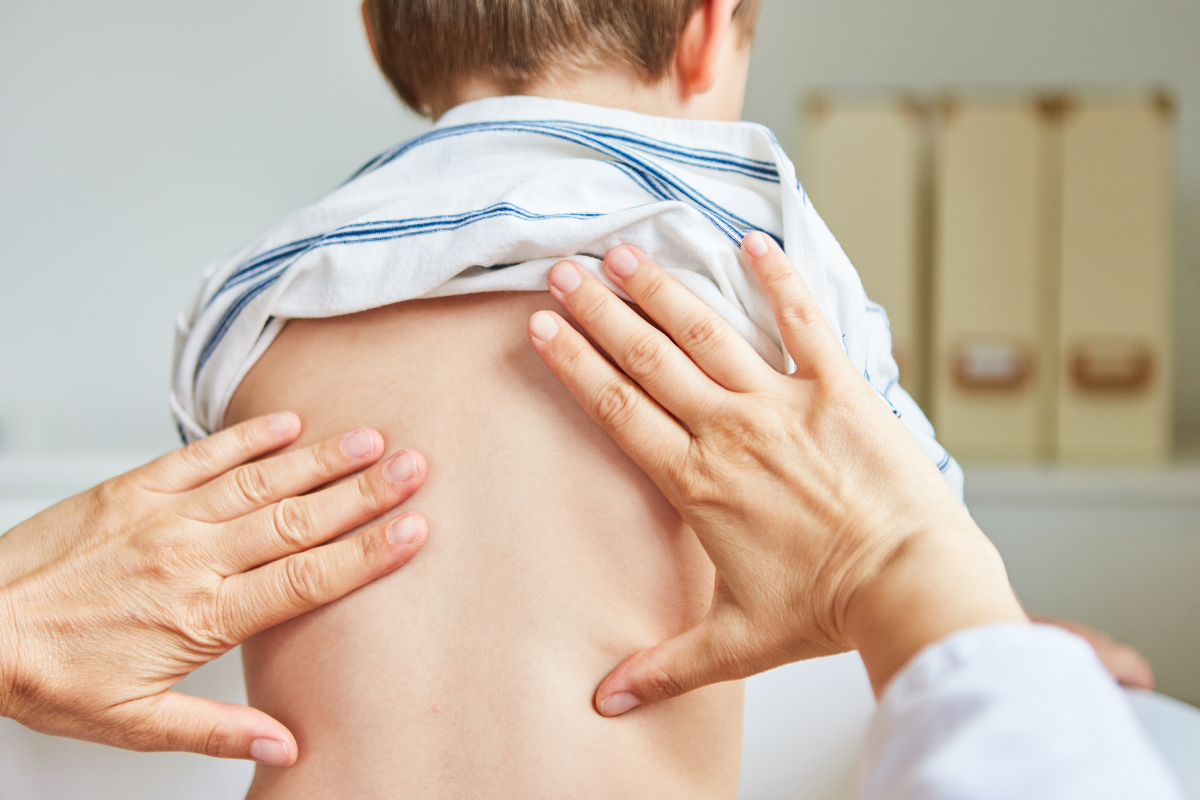
Spinal pain in children is an increasingly common problem that not only affects the daily functioning of toddlers. Over the years, it can have long-term health consequences. Many people mistakenly believe that back pain is a problem that only affects adults. In fact, children can also struggle with back pain due to a variety of causes, from poor posture to birth defects to injuries. What are the main causes of spinal pain in children? What diagnostic methods are effective and can physiotherapy help treat this condition?
Causes of back pain in children
Spinal pain in children can result from many different reasons. Among the most common are:
- Postural problems - Postural defects such as scoliosis, kyphosis or lordosis can lead to back pain. Unhealthy habits, such as sitting in one position for long periods of time (e.g. at a desk) or carrying heavy school bags, increase the risk of back pain.
- Injuries and injuries - Children are particularly at risk of spinal injuries during play, sports or falls. In intensive sports such as football or basketball, the risk of injury is higher.
- Congenital and genetic defects - such as anatomical defects that predispose them to back pain, such as congenital scoliosis.
- Transformations in the body during growth - During puberty, the body undergoes numerous changes, which can lead to temporary back pain, especially in the lumbar region.
How does early diagnosis affect the treatment of spinal pain in children?
Early diagnosis of spinal pain in children is crucial to prevent the development of more serious health problems in the future. Regular visits to the paediatrician and observing the child's posture can help detect the first signs of spinal conditions. Diagnosing postural problems such as scoliosis too late can lead to permanent deformities that will require expensive surgical treatment.
It is worth looking out for any changes in gait, uneven posture, back pain and difficulty in maintaining the correct posture when sitting or standing. Does your child complain of back pain? This is a signal that should make you think about visiting a specialist. He or she will recommend appropriate examinations such as X-rays, magnetic resonance imaging (MRI) or CT scans.
The role of physiotherapy in the management of spinal pain in children
Physiotherapy is one of the most effective methods of treating back pain in children. With the right exercises that strengthen the back muscles and improve posture, pain can be effectively reduced and recurrences prevented. A specialist physiotherapist will help your child learn proper posture and suggest appropriate exercises to strengthen both the spine and the stabilising muscles.
One of the main goals of physiotherapy in the treatment of spinal pain in children is to improve the flexibility of the spine and strengthen the deep muscles that are responsible for stabilising the body. Regular rehabilitation helps to reduce muscle tension, which contributes to pain reduction. Physiotherapists often recommend stretching, strengthening and stabilisation exercises that are adapted to the child's age and abilities.
Mcethods for treating back pain in children

In addition to traditional physiotherapy, more and more parents are opting for alternative methods of treating spinal pain in children. One such method is acupuncturewhich involves inserting thin needles into specific points on the body. Although this method may sound unusual, research suggests that acupuncture can provide relief from chronic pain, including back pain. However, it is advisable to consult with an experienced professional who works with children before using it.
Manual therapy is another alternative method that can help treat back pain in children. It involves manipulation of joints and soft tissues to improve their mobility and function. For children, manual therapy is relatively safe when performed by a qualified therapist.
Kinesiotaping, or the application of special tapes on the body, is a method that is becoming increasingly popular for treating various types of pain. The tapes aim to improve circulation, reduce muscle tension and promote healing. Kinesiotaping can be used to treat spinal pain in children, especially after injury or trauma.
How to prevent back pain in children?
Prevention of back pain in children is crucial to avoid later problems. Here are some practical tips:
- Correct posture - Teaching your child to maintain correct posture when sitting, standing and walking is of great importance. Children should avoid hunching and sitting for long hours in one position.
- Regular physical activity - encouraging your child to take part in sports that strengthen the back muscles (e.g. swimming, cycling) can help to maintain a healthy spine.
- Avoiding overloading - Carrying a backpack that is too heavy or excessive physical activity without adequate preparation can lead to overloading of the spine. It is important that the loads are appropriately matched to the child's age and condition.
Spinal pain in children can arise from a variety of causes, but proper diagnosis and prompt introduction of treatment can prevent serious health consequences in the future. Modern treatment methods such as physiotherapy, acupuncture, manual therapy or kinesiotaping can help reduce pain and improve quality of life for toddlers.



