
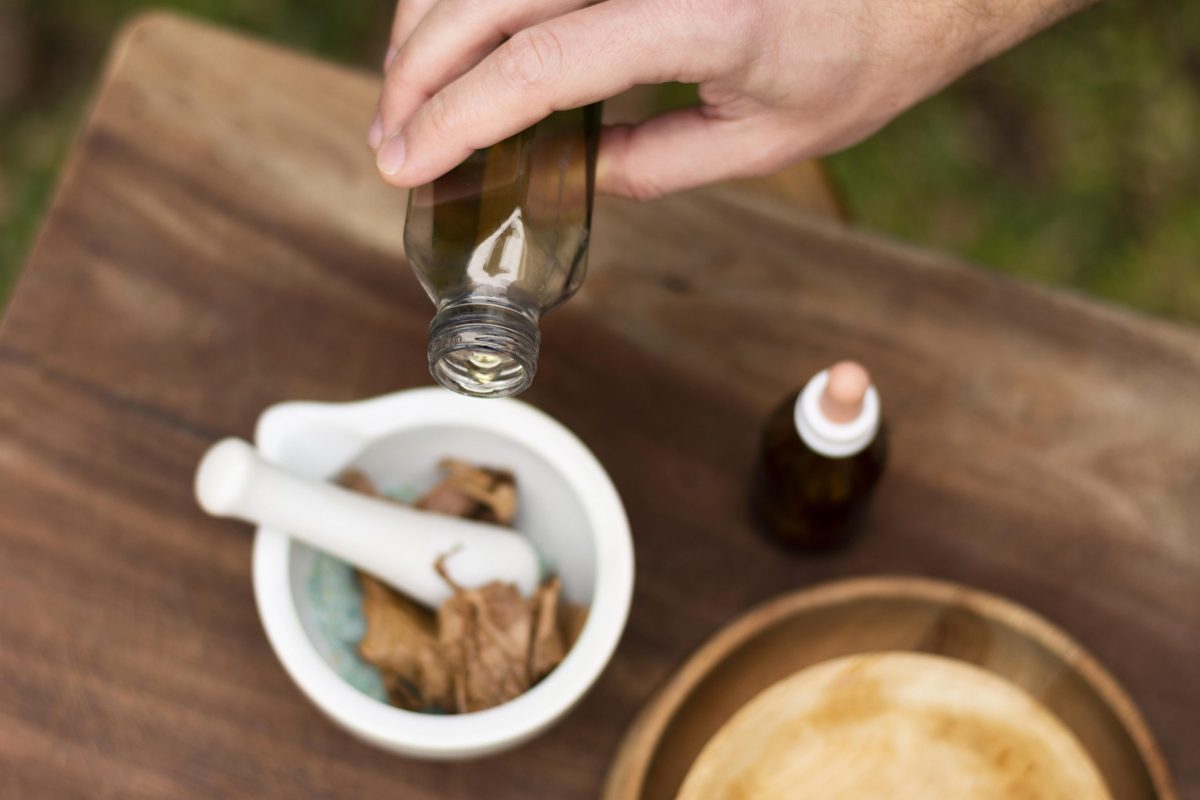
Alternative medicine is also known as complementary medicine, holistic medicine, paramedicine, or non-conventional medicine. The definition is that alternative medicine is the diagnosis and treatment of diseases by methods that have not been or cannot be scientifically verified, or for which these studies have not shown effectiveness. They therefore have no proven effect on improving health. Many of these practices stem from ancient traditions, while others have emerged relatively recently.
What falls under alternative medicine?
Alternative medicine refers to a variety of practices and treatments that are used as an alternative or complement to conventional medicine. It encompasses a wide range of approaches, techniques and therapies that are not commonly used within traditional evidence-based medicine.
Alternative therapies can include:
- homeopathy,
- phytotherapy,
- bioenergotherapy,
- acupuncture,
- acupressure,
- hypnotherapy,
- bioresonance,
- natural therapies (hydrotherapy, balneotherapy, climatotherapy, phototherapy, thermotherapy) - mainly used in rehabilitation,
- putting up bubbles,
- vitamin infusions,
- practising yoga,
- relaxation techniques,
- hyperthermia,
- Gerson therapy,
- healthy food and natural dietetics,
- manual therapies,
- herbalism,
- natural cosmetics.
Often alternative medicine focuses on a holistic approach to health, taking into account the whole person - both body and mind.
Alternative versus conventional medicine
Many doctors believe that the use of selected practices from alternative medicine can complement conventional medicine. It has been confirmed that yoga, relaxation methods or acupuncture are able to improve a patient's attitude towards fighting illness. They reduce the side effects of conventional therapies, and assist in the treatment of pain and many other ailments.
However, non-conventional medicine consists of a wide range of practices, products and therapies. Some of them are biologically plausible but not very well tested, others have harmful and toxic effects. Some of the practices that are categorised as unconventional medicine come from older traditions (such as acupuncture or ayurveda), while others such as homeopathy or bioenergy therapy have developed in modern times.
Most conventional doctors recommend alternative medicine methods that are backed by research and have scientific recognition. Some of such methods are:
- Acupuncture - the Chinese practice of inserting thin needles into specific points on the body to restore energy balance. It is used in some areas of medicine, such as pain control and to aid rehabilitation.
- Phytotherapy - this uses natural plants and their extracts to treat various conditions. Many times doctors recommend specific herbs to complement conventional therapy.
- Dietary supplements - in cases of deficiencies of specific nutrients, doctors may recommend dietary supplements such as vitamins, minerals or fatty acids.
- Therapeutic massage involving the manipulation of muscles and soft tissue to reduce pain, stress and improve circulation.
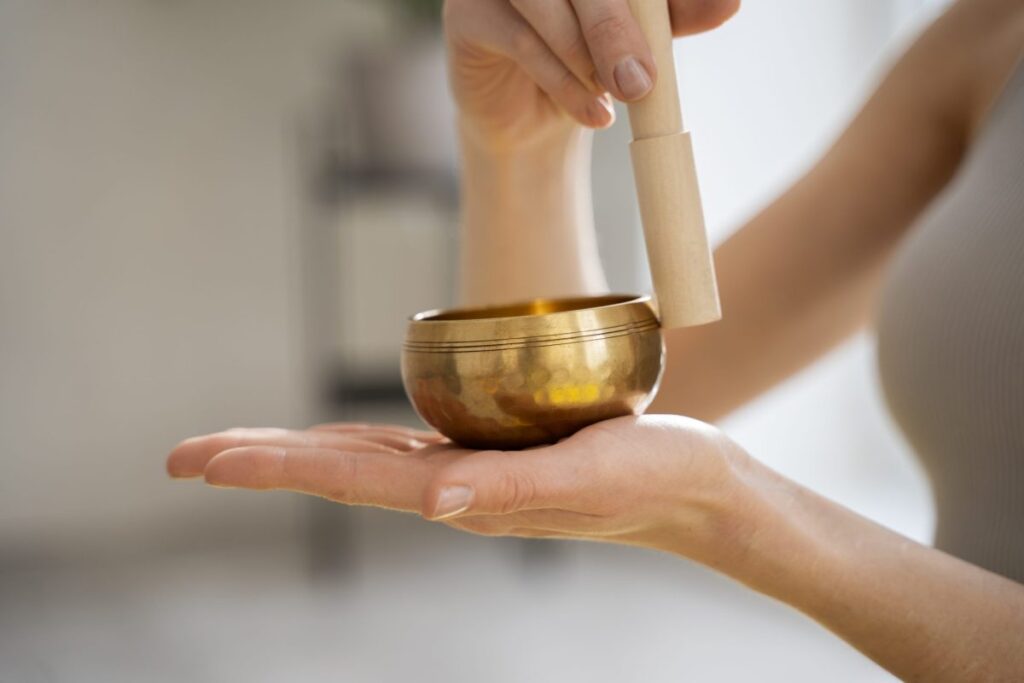
- Meditation and relaxation therapy. Doctors recommend methods such as meditation, yoga, breathing techniques or sound therapy as ways to reduce stress, improve mental wellbeing and health.
Alternative medicine - advantages and disadvantages
Those involved in alternative medicine pay attention to all dimensions of health - physical, mental and spiritual. This holistic approach to health is one of the main reasons for the popularity of non-conventional medicine.
In addition, because of the emphasis on treating the whole body, those involved in alternative medicine usually offer patients a lot of attention. Unfortunately, they do not give traditional doctors. Another advantage of non-conventional medicine is its emphasis on preventing a disease that has not yet appeared. Traditional medicine mostly intervenes when the disease is already present.
However, there are also cases where people choose only alternative medicine instead of traditional medicine to treat serious illnesses. In such cases, this can be dangerous and lead to a delay in receiving effective treatment.
It is important to consult a doctor for professional opinion and advice before deciding to use alternative medicine.



