
More and more people struggling with tendon pain, chronic injuries or muscle strains are looking for effective but minimally invasive treatment methods. One of the modern techniques used in physiotherapy and rehabilitation is percutaneous electrolysis (EPTE). This method is gaining popularity, especially for the treatment of difficult-to-heal enthesopathies. What exactly is percutaneous electrolysis and how do I prepare for it?
How does transdermal electrolysis work?
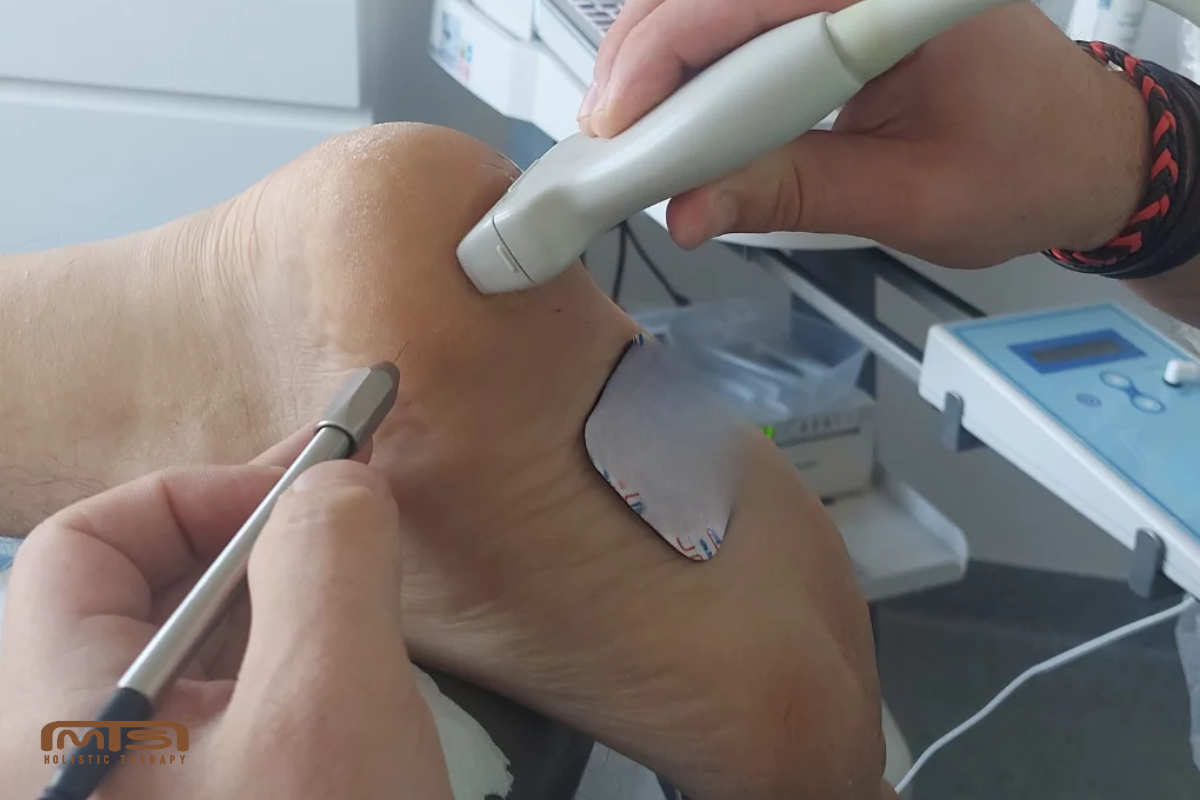
Transcutaneous electrolysis is a therapeutic technique involving the insertion of a thin needle (similar to that used in acupuncture) directly into the damaged tissue under ultrasound guidance. A very low intensity galvanic current is then passed through the needle. This current triggers a local chemical reaction - the breakdown of salt and water - which leads to damage of the pathological tissue and the initiation of the regeneration process.
The most important aspect of this therapy is that transdermal electrolysis works very precisely - it only affects the affected structures without affecting healthy tissues. In addition, the stimulus induces a controlled inflammation, which activates the body's natural repair mechanisms.
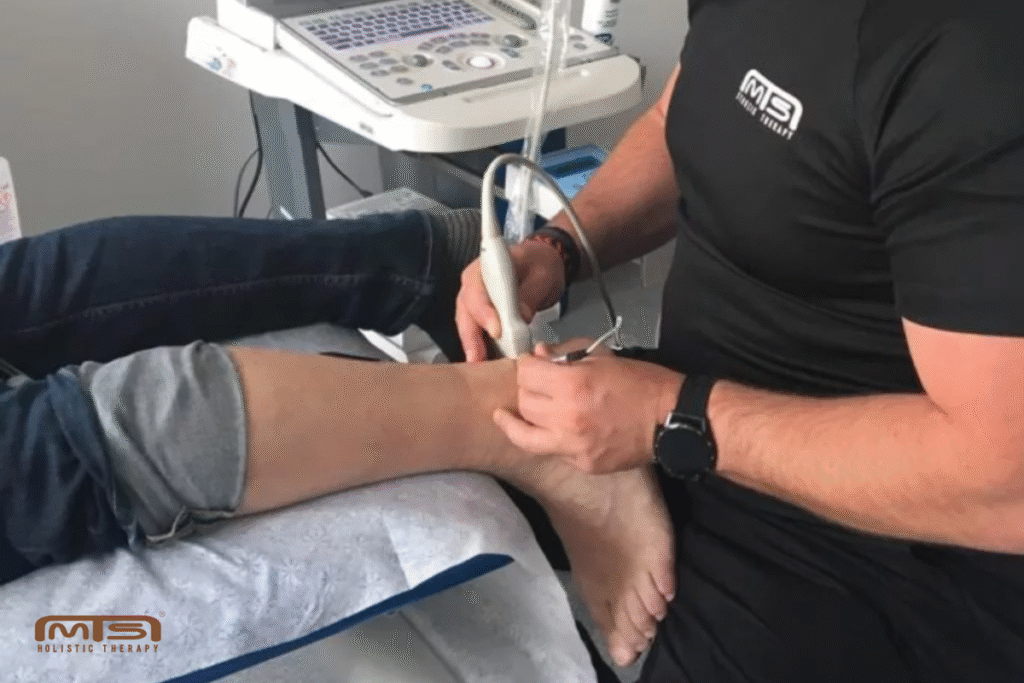
Read also: how transdermal electrolysis works step by step, when it is worth using it and what the procedure looks like under ultrasound guidance.
For whom will it be the best choice?
The percutaneous electrolysis procedure is recommended especially for people with chronic tendon complaints that do not respond to traditional treatment. This includes:
- enthesopathies (e.g. tennis elbow, heel spurs, Achilles tendonitis),
- shoulder rotator muscle tendinopathy,
- chronic pain in the muscle attachments,
- knee and hip pain syndromes of an overload nature.
Transcutaneous electrolysis can also be an effective adjunctive method for treating injuries in athletes - both amateur and professional. Thanks to the precision of the treatment and the rapid pain-relieving effect, EPTE makes it possible to shorten the recovery time and return to physical activity more quickly.
What does the transdermal electrolysis procedure look like?
Before the first treatment, a thorough ultrasound diagnosis is carried out to locate the source of the problem and plan the needle application site. The procedure itself takes just a few minutes and usually does not require anaesthesia - although some patients experience temporary discomfort when the needle is inserted and the current is passed through.
During the treatment, the needle is inserted directly into the damaged area, guaranteeing maximum effectiveness. The therapist controls the position of the needle at all times through ultrasound. After the procedure, physiotherapy exercises are recommended to aid the recovery process and speed up the return to full function.
Transcutaneous electrolysis - what does the patient experience?
Most patients experience mild pain or tightness at the application site after the procedure, which may persist for 24-72 hours. This is a normal body reaction related to the inflammatory and regenerative process. A slight redness or slight swelling is also possible, which resolves spontaneously.
It is important to avoid strenuous exercise for a few days and to follow the therapist's instructions. Transcutaneous electrolysis works most effectively when combined with an individually tailored rehabilitation programme.
Examples of transcutaneous electrolysis applications
The EPTE method is applicable to many musculoskeletal problems. Here are some examples:
- Tennis elbow (lateral epicondylopathy): The treatment reduces pain and improves the function of the elbow joint in a much shorter time than traditional methods.
- Achilles tendonitis: Thanks to the precise localisation of the damage, regeneration can be effectively stimulated without damaging healthy tissue.
- Patellofemoral band syndrome: a common problem for runners, the treatment of which can often be frustrating - percutaneous electrolysis can significantly speed up the healing process.
- Plantar tendonitis: an effective analgesic and regenerative effect on a common ailment in the heel area.

Do you run? Are you struggling with overload or injury? Find out how MTS4RUN combines therapy and training to help you get back into shape without pain.
Transcutaneous electrolysis - what is worth knowing beforehand?
Before you opt for the procedure, it is worth knowing that transdermal electrolysis is not advisable for everyone. Contraindications include, but are not limited to: active infection at the site of the planned application, pregnancy, blood diseases and clotting disorders, as well as the presence of a pacemaker. Always inform your therapist of your medical condition and any medication you are taking.
It is also good to mentally prepare yourself for the fact that the method does not produce results immediately - it often takes a series of treatments (3 to 5) to achieve full improvement. Patience and consistency are key here.



