
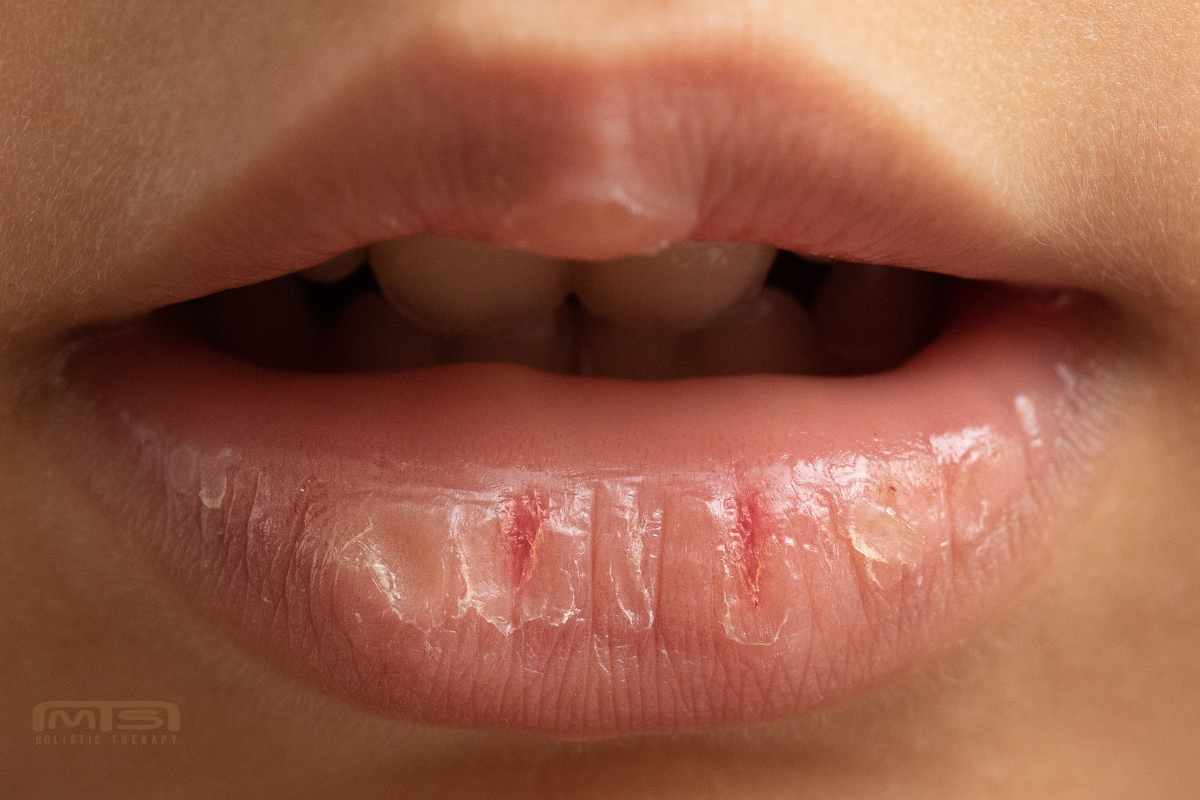
Dry mouth and neck strains are unusual links that may have common neurological and fascial origins. We usually associate the feeling of dry mouth with dehydration, stress or side effects of medication. Neck and neck tension, on the other hand, we often attribute to poor posture or muscle strain. But what if these two seemingly unrelated symptoms have a common neurological and fascial basis? Is it possible that chronic tension in the neck area could be interfering with the functioning of the salivary glands? Could autonomic system or vagus nerve dysfunction be behind these symptoms?
Dry mouth and neck tension - what do they have in common?
The vagus nerve plays a major role in this relationship. It is the longest cranial nerve and is responsible for regulating many autonomic functions, including the salivary glands. This nerve runs through the neck and passes in close proximity to the fascial and muscular structures. If these areas are strained - due to stress, poor posture or chronic spasm - the vagus nerve can be irritated and its function disrupted.
This, in turn, can affect saliva production. Both by reducing gland stimulation and by disturbances in parasympathetic signal transmission. This neurogenic basis may explain why, in many people, dry mouth persists despite adequate hydration and good oral hygiene.

One method that works effectively with the fascial and organ systems is the visceral therapy - A gentle manual technique that supports the mobility of the internal organs and their relationship with the nervous system. Read more!
The role of the autonomic system and the vagus nerve
The autonomic system - including its parasympathetic part - is responsible for a number of functions that take place in the background of our consciousness: digestion, respiration, regulation of the heart rate, or just the secretion of saliva. The vagus nerve is the key axis of this system. Dysfunction of the vagus nerve can manifest as digestive problems, as well as a dry throat or dry mouth.
In a state of tension - whether emotional or physical - the sympathetic nervous system (responsible for the 'fight or flight' response) dominates the parasympathetic nervous system. The effect? Inhibition of salivation, dry mouth and tension in the neck muscles. Interestingly, these symptoms often occur simultaneously - and for good reason. Research suggests that chronic overload of the sympathetic nervous system and reduced vagus nerve activity can lead to a range of psychosomatic symptoms, including those affecting the mouth and neck.
Neck fascia and its role
Fascia is the connective tissue that wraps around muscles, organs and nerves. Within the neck, there are several layers of fascia, which form a complex system of tension transmission. Their role is not only to mechanically support structures, but also to transmit proprioceptive and tension information.
If the neck fascia becomes stiff - for example, as a result of chronic stress, surgical scars or prolonged work in one position. This can disrupt the nerve and circulatory flow in the surrounding structures. Then dry mouth versus neck tension can become two sides of the same dysfunction. Fascia work techniques (such as craniosacral therapy or osteopathy) are increasingly being used to improve salivation in patients with chronic tension symptoms.
Dry mouth versus neck tension - psychosomatic roots
Dry mouth and neck tension also have a common origin in the mental area. Stress, anxiety and anxiety disorders can cause muscle tension, especially in the neck and shoulders. At the same time, these same emotional states activate the sympathetic nervous system, which leads to a reduction in saliva production. The effect? The patient reports a dry mouth and a feeling of tension in the neck, but medical examination shows no pathology in the salivary glands or anatomical structures.
Psychoneurological connections between emotions, the vagus nerve and physiological functions are increasingly well documented. According to research Emotions affect bodily sensations through specific neuronal pathways, and chronic stress can literally 'block' the physiological processes involved in mucous membrane regeneration and hydration.

Dry mouth and neck tension also have a common origin in the psychological area. This is a classic example psychosomatic disordersin which emotions manifest themselves in the form of physical symptoms.
Dry mouth versus neck strains - what approaches can provide relief?
Traditional approaches - such as the use of oral moisturisers - may not be sufficient if the wider neurophysiological and fascial basis of the problem is not addressed. In cases where dry mouth and neck strains coexist, an integrative approach is worth considering:
- Fascial and manual therapy - Relaxing neck tension can improve vagus nerve function.
- Breathing exercises and vagus nerve training - methods such as 'vagal toning' can promote activation of the parasympathetic nervous system.
- Psychological work - especially in the case of psychosomatic tensions, the help of a psychotherapist can be crucial.
- Mindfulness and relaxation - meditations, breathing techniques and yoga support the balance of the autonomic nervous system.
This holistic approach assumes that the body and mind are deeply interconnected, and that symptoms such as dry mouth can signal tensions in other parts of the body - literally and metaphorically.



