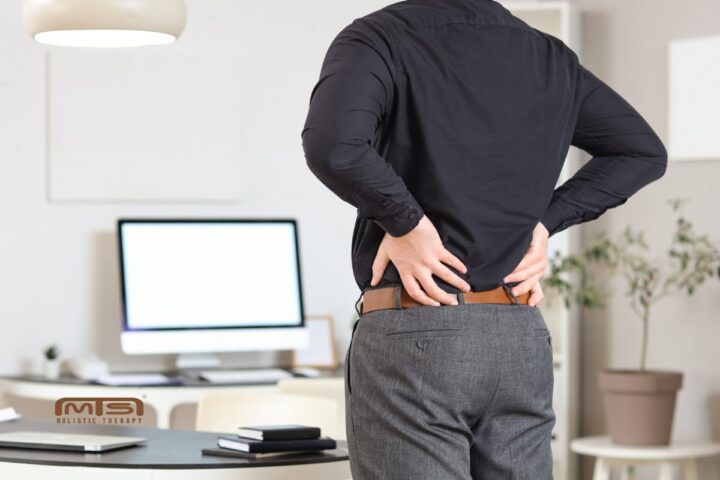

Osteoarthritis of the spine most often affects the elderly, but sometimes changes also occur in young people. A very common symptom is severe back pain. Although the disease cannot be completely cured, it is worth taking care to limit its progression. This will allow you to maintain your current fitness and alleviate the severe symptoms. Find out how to treat osteoarthritis of the spine.
Causes and symptoms of degenerative diseases of the spine
Osteoarthritis of the spine occurs due to degenerative processes in the cartilage structure lining the bony elements. There is a lack of joint fluid between the cartilages, which causes them to rub together. As a result, neighbouring bones begin to rub against each other. There are certain factors that increase the risk of the disease and accelerate the process of cartilage destruction. Here are some of them:
- old age,
- obesity,
- sedentary lifestyle, lack of physical activity,
- past history of spinal fractures and injuries,
- postural defects,
- positive family history,
- exposing bone and joint components to high stress (e.g. at work),
- defective construction of skeleton elements.
Osteoarthritis of the spine affects the cervical, thoracic and also the lumbar spine equally. The most common symptom is severe back pain. In addition to this, other symptoms may also occur:
- restriction of the range of mobility and stiffness of the back and neck,
- redness, swelling, skin warming and palpation soreness,
- a grinding sensation when moving the spine,
- a feeling of fatigue and general weakness,
- dizziness and headaches,
- numbness and tingling in the lower and upper limbs.

Degenerative diseases of the spine - treatment options
In this case, treatment is a very complicated process. As we mentioned earlier, it is impossible to completely cure osteoarthritis. However, treatment is worthwhile in order to delay the progression of the changes, maintain function and alleviate the symptoms already present. If the patient is overweight, losing weight is recommended first.
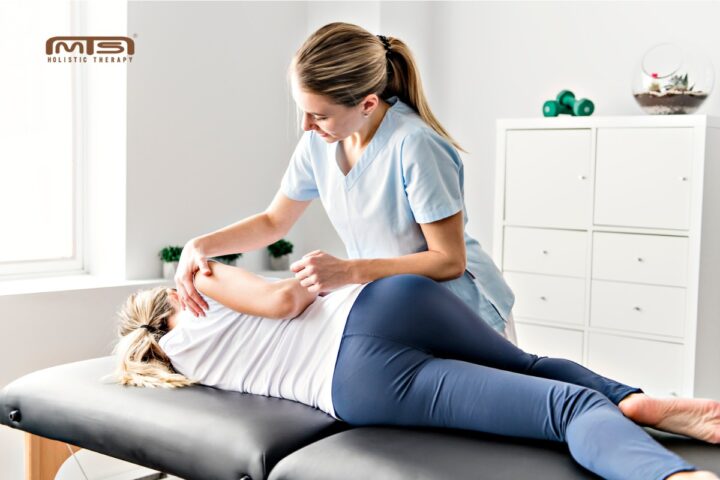
Exercises are then selected and physiotherapy treatments. Simple exercises can be performed at home on your own, but treatments in professional physiotherapy clinics have much better results. Among the treatments that have a significant effect on delaying changes and contributing to the reconstruction of degenerated cartilage, the following are recommended:
- cryotherapy,
- exposure to magnetic fields,
- sulphide and hydrogen sulphide baths,
- phonophoresis,
- electrotherapy,
- hydrotherapy,
- kinesiotherapy methods.
In cases where the above measures do not yield sufficient results, slightly more invasive procedures are used. Sometimes a so-called spinal block is used, by administering a steroid drug to the site of the symptoms. Another procedure is thermotherapy. After the procedure, the sensation of pain disappears and persists for several months or longer. In extreme cases, surgical procedures are used: endoscopic decompression or endoscopic foraminotomy, which usually bring a significant improvement in spinal function.