
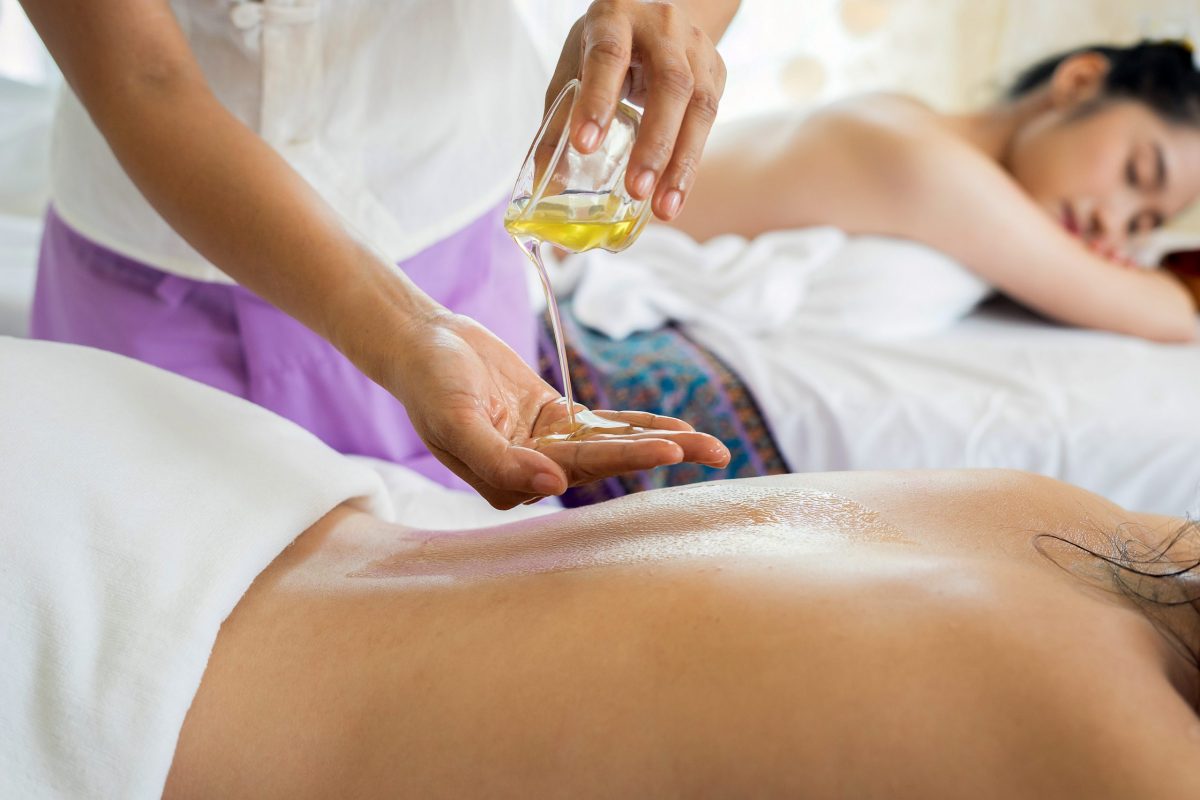
Thai massage It is also known as passive yoga, yoga for the lazy or Thai yoga. It is a combination of passive yoga and physiotherapy. The best school for this massage is the Royal Academy of Massage, located in the city of Chiang Mai. So what is Thai massage about and to whom is it particularly recommended?
What is Thai massage?
In the Middle East, Thai massage was called traditional or sacred massage and has been used for about 2,000 years. The Thais refer to it as 'nuat phaen boran', or 'ancient classical massage'. It is said to have been developed around 500 BC. Shivago Komarpaj - the physician of Siddhartha Gautama, or Buddha. Initially, this massage was reserved exclusively for royalty, and later only for ordinary citizens. Also, ancient Thai warriors treated themselves with different varieties of Thai massage after battles. Western massage therapists regard Thai massage as a combination of passive yoga and physiotherapy.
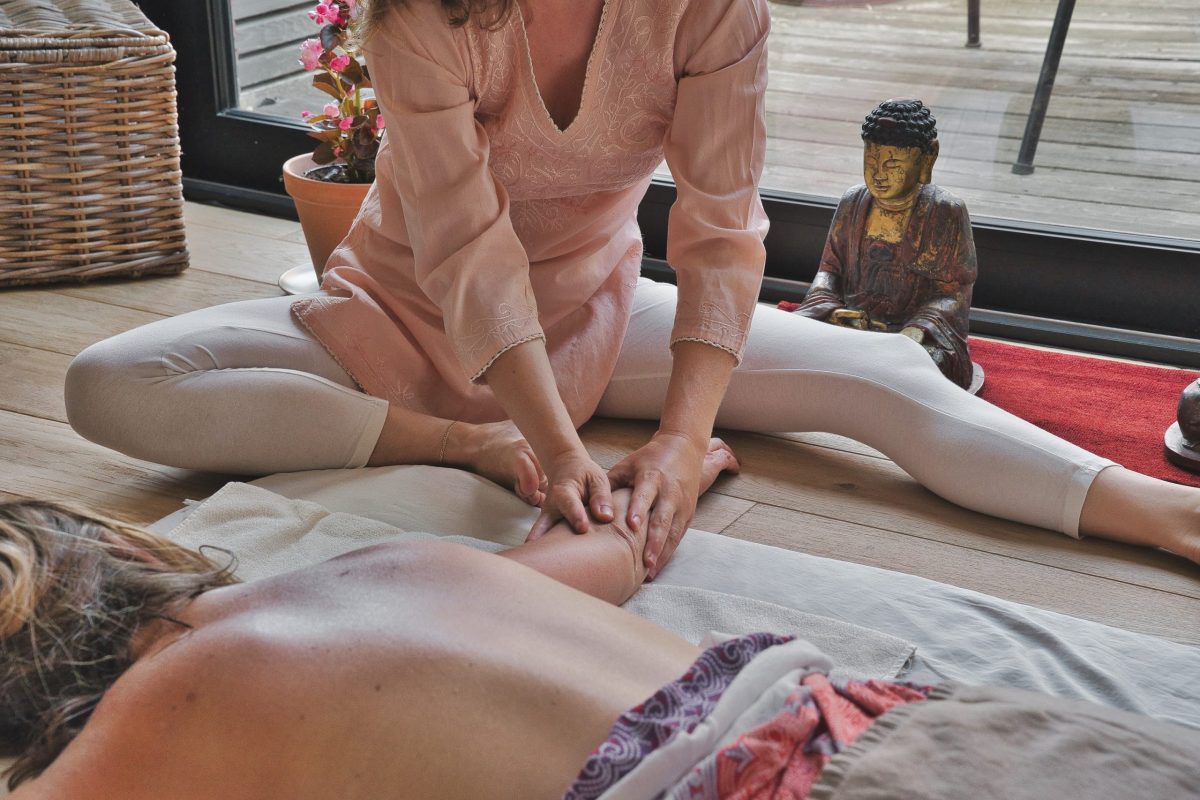
It is one of the types of deep massage involving pressure on various points on the body called meridians, or energy corridors, through which air travels in the human body, as well as stretching, among other things, the muscles of the person being massaged. A session of this type of massage lasts from several minutes to two hours and takes place on a mattress. The masseur uses hands, fingers, elbows, forearms, feet and knees. He or she arranges the person being massaged in various positions taken from yoga asanas, i.e. on:
- back,
- abdomen,
- Side,
- seated,
- in an inverted position.
Types of Thai massage
There are about 80 types of Thai massage hence the techniques used by Thai massage therapists can vary. Today's way of performing this massage is the result of a synthesis that took place in the 19th century and encompassed the different massage techniques practised in different parts of the Kingdom of Thailand. The classic Thai massage covers the whole body, starting from the abdomen and moving towards the mouth. The masseur then also massages the feet and ears. It always takes place in an intimate atmosphere, with dimmed light and soft scented candles, sometimes accompanied by quiet and peaceful oriental music.
Popular, is a variation of Thai massage using heated stamps, or cotton pouches filled with herbs depending on your needs: these can be anti-inflammatory, analgesic, antiseptic and relaxing or stress-relieving.
There is also oil Thai massage and it is a combination of acupressure and aromatherapy with Ayurvedic massage.
Another variation is the Thai foot massage which involves massaging the sole of the foot, the edge, the toes, the knee, the ankle and the calf, called the reflexology.
Thai shoulder, back and head massage, on the other hand, helps eliminate post-traumatic and chronic back pain. It also relieves tension in the shoulder and neck area, relieves headaches, and promotes the microcirculation of its skin to stimulate hair growth.
Who is Thai massage for?
Thai massages are recommended by doctors:
- people suffering from depression,
- under long-term stress,
- working in places that are bad for their mental and physical health,
- chronically tired and those complaining of a lack of energy,
- Those wishing to speed up their metabolism.
They will effectively help to mitigate:
- muscle contractures,
- tendon contractures.
- back pain,
- migraine pain,
- soft tissue disorders,
- inflammatory conditions in the body,
- joint pain.
These massages support immunity and have a detoxifying effect, strengthening the musculoskeletal, circulatory, lymphatic, digestive and endocrine systems, as well as deeply relaxing, causing a surge of vitality.
What are the contraindications to Thai massage?
Doctors do not recommend traditional Thai massage among others.
- pregnant women,
- people with acute inflammatory conditions and infectious diseases,
- with fever,
- suffering from haemorrhages, aneurysms and heart defects,
- patients with osteoporosis, phlebitis and skin conditions,
- after recent bone fractures,
- patients with cancer or atherosclerosis.



