
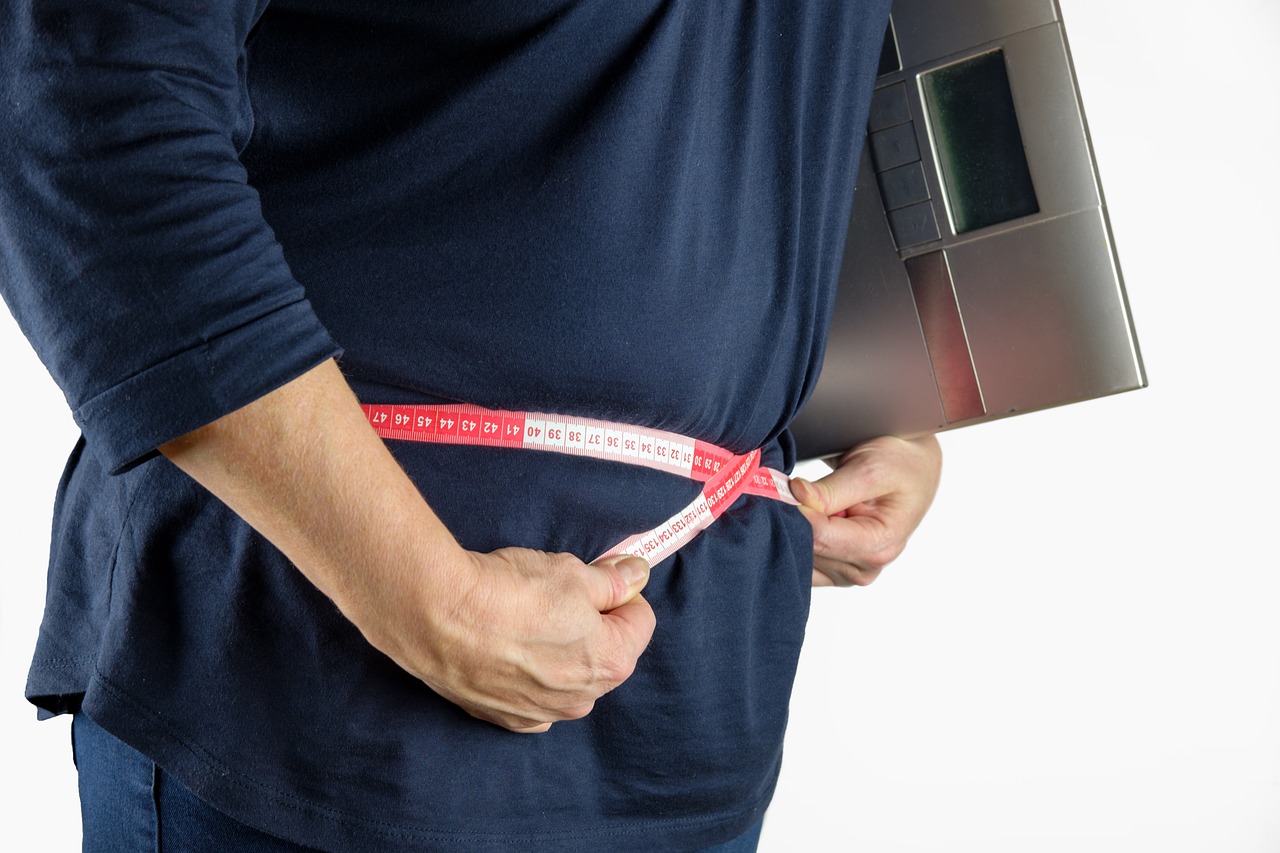
Obesity and overweight, or abnormal body weight, is an increasingly serious health problem. It is usually also accompanied by other diseases such as cardiovascular, diabetes, obstructive sleep apnoea or osteoarthritis. As it turns out, the use of physiotherapeutic techniques supports the diet used to reduce body weight. So what makes the rehabilitation of overweight and obese patients different?
Abnormal body weight and physiotherapy
Effective physiotherapy for overweight and obese patients can be helpful in very many areas of the patient's life.
This is because it has the effect of reducing body weight, accelerating metabolism and improving the blood lipid profile. In addition, it also works to optimise insulin sensitivity and regulate blood pressure . It is also important to remember that rehabilitation of obese patients improves their psychological wellbeing, increases their energy and willingness to be active, speeds up recovery from injuries, treatments or operations and reduces the risk of further health problems.
Specifics of carrying out treatments for overweight and obese patients.
Treating obesity is a complex process. It very often requires the cooperation of a doctor, a dietician and a psychologist, as well as a physiotherapist
According to estimates, obesity and overweight occur in up to 60 per cent of the Polish population and affect almost 60 million Europeans. It arises as a result of an excessive supply of food energy in relation to the body's needs. This is the reason for the accumulation of fat tissue.
Not every physiotherapist can effectively care for obese patients. This is because they should not perform certain physical exercises and must be treated in a special way during rehabilitation. In addition, people with abnormal body weight are at risk of developing a number of associated diseases. Due to their high weight, they often require specialised equipment, such as massage beds. They also undergo procedures or surgeries more frequently than normal weight patients and run the risk of developing complications during procedures. It is therefore very important that rehabilitation in such cases is handled by a professional.
Abnormal body weight - what rehabilitation treatments can be used?
Rehabilitation for people with abnormal body weight should consist of different types of treatments, therapies and exercises. This is because it must be tailored to the patient's individual situation. Ideally, it should combine different methods such as:
Exercises
The most recommended form of exercise for people with obesity is cardio training. This type of activity contributes the most to burning body fat. It also has many health benefits - it strengthens the heart and increases vein flow, making it an excellent prevention of cardiovascular disease, which obese people often face.
Neuromuscular movement facilitation (PNF)
PFN is a method of complex kinesiotherapy, based on neurophysiological principles of motor activity and its development over the course of a person's life, used to regain lost or form disturbed motor skills. The method takes into account the sensation of one's own movement and focuses on facilitating movement in line with physiological ways of performing the most functionally effective motor activity possible.
Manual therapy
Treatments manual therapy are used when there is pain and restricted movement, often caused by obesity.
Therapeutic massage
Therapeutic massage supports the treatment of various health complaints and positively influences the wellbeing of the whole body. It supports traditional forms of treatment and speeds up the patient's recovery. For patients with obesity, classical, point, deep, lymphatic, relaxation and slimming massage can be used,
Physical therapy
Physical therapy treatments include laser therapy, magnetotherapy, electrotherapy and light therapy. These can be used when necessary during the rehabilitation of obese people.
In addition, daily physical activity is a very important part of rehabilitation. With increased body weight, walking, swimming and cycling are recommended above all. It is also advisable to give up the use of the lift and walk up and down stairs, and to switch from walking to transport as often as possible.
For physiotherapy for an obese person to be effective, it requires both the involvement of the patient and an experienced rehabilitation therapist.



