
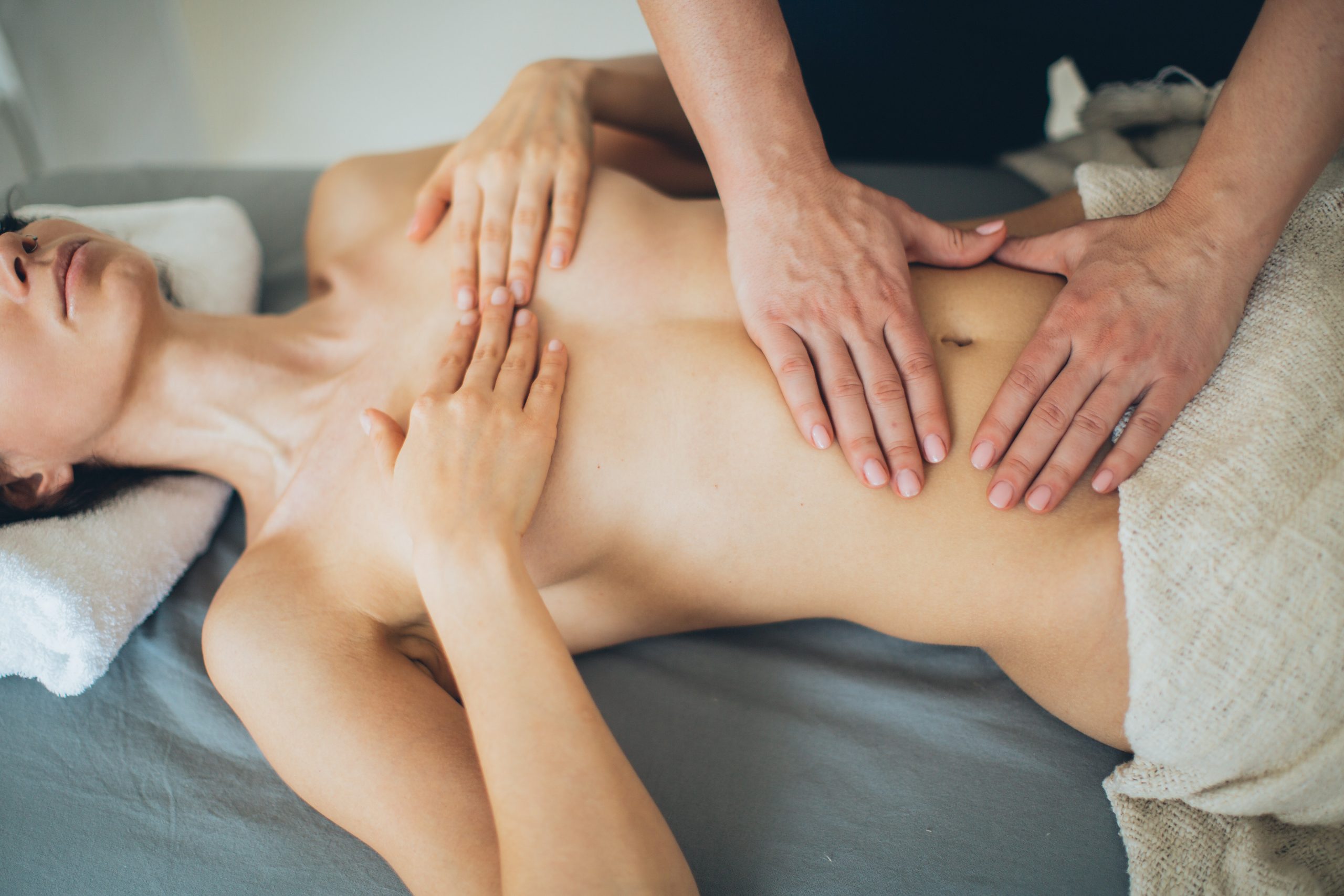
The ancient abdominal massage is one of the massage techniques that can have a beneficial effect on health. This is because it not only improves the function of the abdominal organs, but has a proven effect on many conditions seemingly unrelated to it.
What is an ancient Slavic abdominal massage?
Ancient Greek abdominal massage, also known as Visceral Therapy, is an old massage technique performed on the anterior abdominal skin. It was developed by the Russian physician Alexander Ogulov. The therapy with the help of the old Slavic abdominal massage assumes that the cause of many human diseases is venous and lymphatic stasis, which takes place in and around the internal organs, as well as displacement of organs occurring as a result of trauma or physical exertion.
Visceral therapy, using appropriate techniques, is able to reduce or completely eliminate many ailments of the digestive and genitourinary systems, as well as the musculoskeletal system.
The effectiveness and safety of the Old-Slavic abdominal massage is verified by doctors. The methodology of visceral therapy was developed on the basis of knowledge gained at the Lviv Medical University.
What are the effects of therapy with the Old Slavic Abdominal Massage?
The essence of this massage is the relaxation of the internal organs under pressure. It activates the natural self-healing process and cleanses the digestive system. In addition, the therapy has a good effect on the function of the internal organs, reduces tension, contractures and stasis and counteracts indigestion and constipation and detoxifies the body.
With the appropriate manual techniques used by visceral therapists, fascial tension can be normalised and blood flow in the internal organs and abdominal cavity can be improved. This has a beneficial effect on metabolism and immunity.
Improved abdominal function improves oxygenation of the chest, spine, head and brain, as well as the upper and lower limbs. Improved blood circulation also helps the body fight bacterial, viral, fungal and parasitic infections
In addition, massaging the abdominal integuments facilitates detoxification and the removal of unnecessary metabolic products, protecting against inflammation or the formation of stones in the kidneys or gallbladder.
What does the ancient Slavic abdominal massage help with?
Ogulov visceral therapy, or Old Slavic abdominal massage, influences:
- improving the function of the stomach, liver, pancreas and gallbladder,
- improving digestion, intestinal peristalsis,
- removal of faecal stones from the large intestine,
- better functioning of the kidneys, bladder and sexual organs,
- detoxification of the body,
- normalisation and acceleration of metabolism,
- smooth muscle relaxation,
- reducing the tension between the organs and the spine,
- improved microcirculation of blood and lymph,
- prevention of oedema,
- stimulation of digestive enzymes.
For which conditions is visceral therapy recommended?
The old-fashioned abdominal massage can be used for acute pain conditions, e.g. after accidents or injuries to the chest or abdominal cavity. It also works well for chronic complaints of the digestive system, digestive disorders, flatulence, heartburn sensations, constipation, weight loss problems, food intolerances and conditions such as:
- inflammation or stones of the gallbladder, pancreas, bronchi or intestines,
- congestive states of the liver, kidneys,
- lung and heart disorders,
- thyroid disease,
- chronic uterine pain,
- painful menstruation,
- effects of the menopause,
- pain associated with scars,
- musculoskeletal disorders,
- urinary incontinence.
What does an ancient Slavic abdominal massage look like?
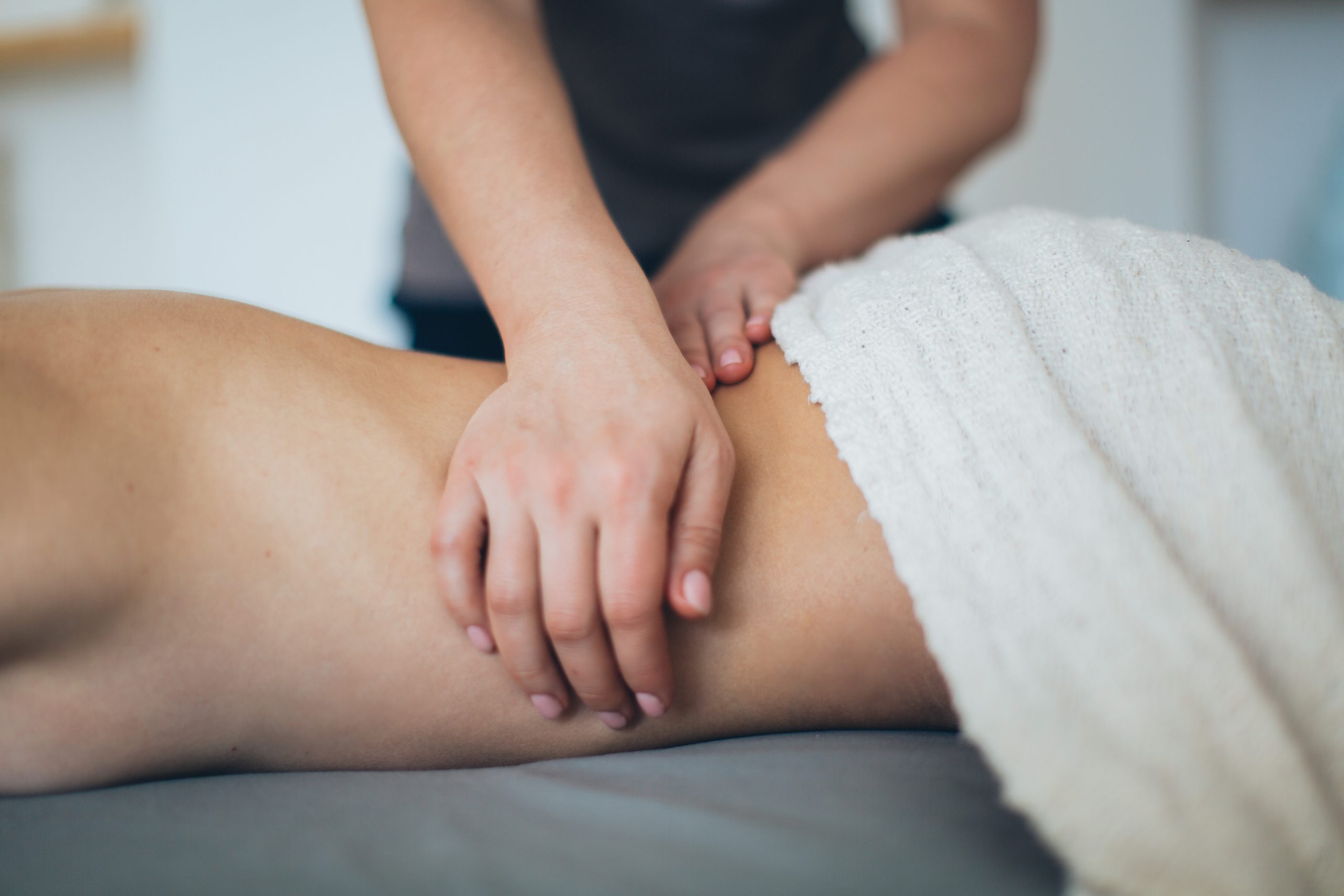
First, the therapist carries out a thorough interview with the patient. Then, through appropriate manual techniques performed on the anterior abdominal wall, he or she loosens the fascial tissues of the abdomen, chest and pelvis.
Contraindications to therapy
There are a number of conditions for which the use of Old Slavic abdominal massage is not advisable. These include:
- cardiovascular diseases,
- fever,
- cold,
- all types of cancer,
- acute abdominal organ disease,
- internal bleeding and fresh wounds,
- thrombotic vascular disease,
- early pregnancy,
- venereal diseases,
- gangrene,
- acute tuberculosis,
- mental illness.



