
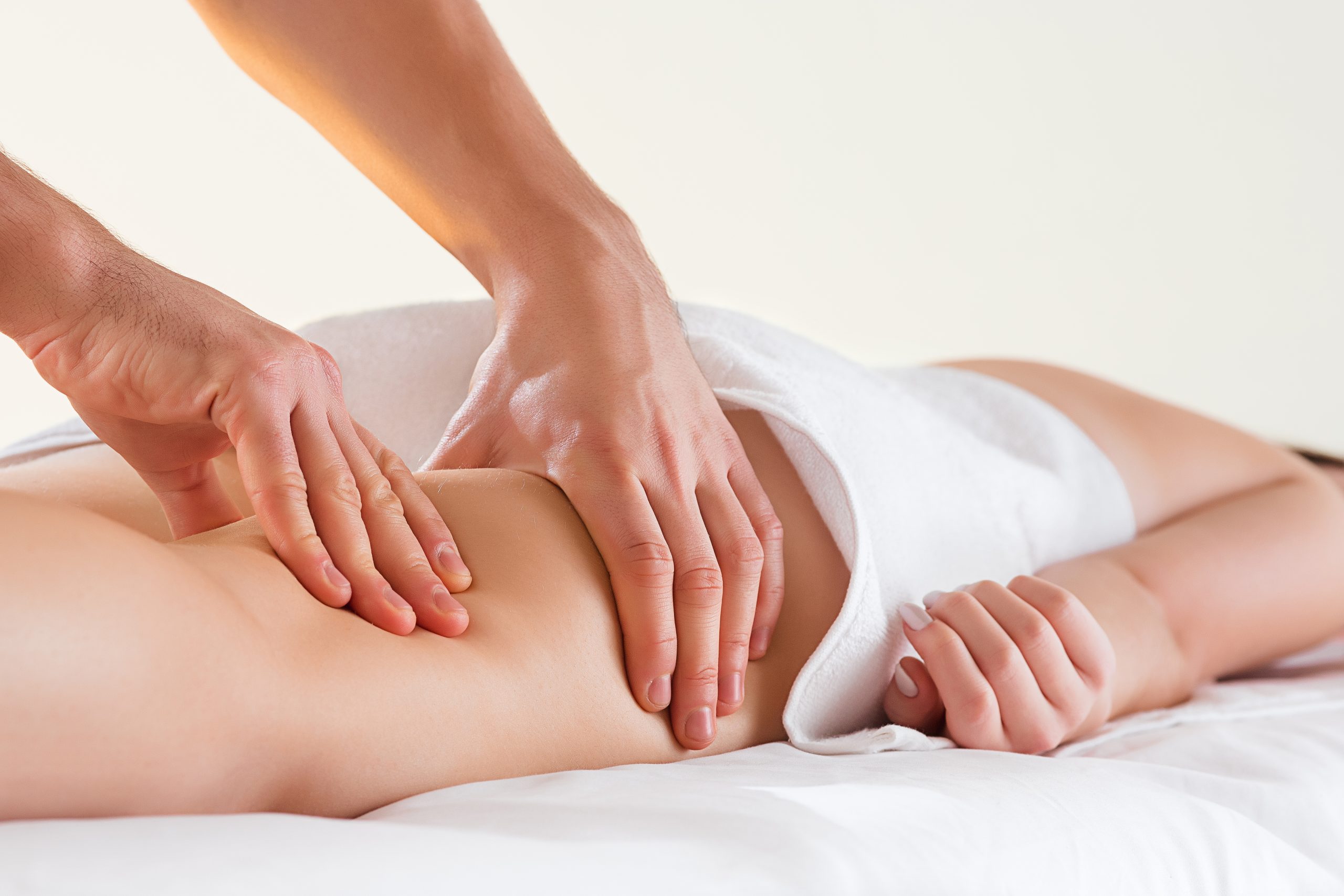
The causes of back and musculoskeletal complaints include an incorrect lifestyle and spending long periods of time in one position. Various injuries also contribute to them. Manual therapy is an excellent way of supporting the return to full fitness. So, what does it consist of and with which ailments can it be helpful?
What is manual therapy?
Manual therapy Otherwise known as chiropractic. It is one of the physiotherapeutic methods which, among other things, involves a specially designed massage. In addition to the massage, the therapist also uses various pressure techniques and a variety of grips. These aim to restore proper mobility to the joints and also to relieve any pain that occurs.
Manual therapy is a method of physiotherapy based on the biomechanics and function of the human musculoskeletal system. It works with all joints, ligaments and muscles. Manual therapy supports the treatment of musculoskeletal disorders, mainly in spinal disorders and degenerative joint diseases. It can be used in orthopaedics and rehabilitation, rheumatology and neurology. The physiotherapist reaches painful areas and restores muscle balance by applying pressure to the relevant points on the body using various therapy techniques. The aim is to restore proper joint mobility and minimise pain.
Manual therapy - techniques
A number of therapeutic techniques can be distinguished. These include:
- soft tissue therapy,
- neuromuscular therapy,
- joint mobilisations,
- manipulations,
- specialised exercises.
As part of manual therapy, the physiotherapist performs a number of different techniques and treatment methods These include pushes, mobilisations and manipulations performed in precise directions using the correct force and speed, with the correct body positioning. Manual treatments are characterised by their high effectiveness. However, they are among the most difficult to perform precisely by the therapist.
Manual therapy - history
Origins manual therapy dates back to ancient times, and elements of it were found in the healing systems of many cultures, including ancient Egypt and Greece. It was also used by Hippocrates.
In the 19th century in England, practitioners used manual techniques to help people with various musculoskeletal dysfunctions. Over time, manual therapy made its way to the United States. The method developed rapidly in the second half of the 20th century.
What are the benefits of manual therapy?
Manual therapy treatment is used wherever there is pain and restricted movement in a joint.
The main benefits of manual therapy are:
- It reduces pain,
- increases joint mobility and range of movement,
- improves tissue flexibility and mobility,
- reduces soft tissue inflammation and muscle tension.
The great advantage of manual therapy is the high level of safety and the fact that the treatment is developed individually, tailored to the patient's condition and ailment.
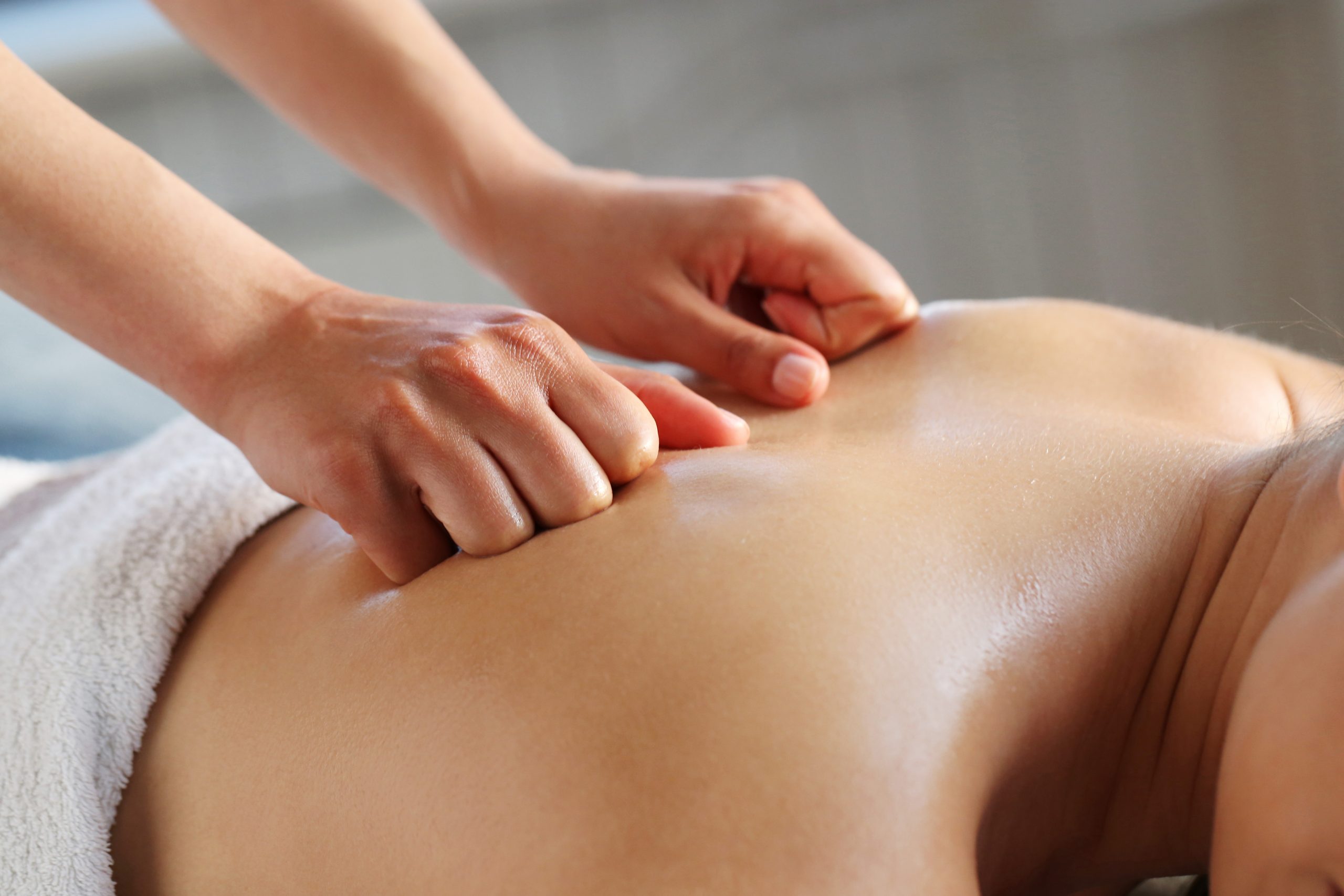
Indications for manual therapy
Indications for the use of manual therapy are:
- any muscle pains,
- spinal disorders and pain,
- sciatica and shoulder,
- headaches and neck and migraine pains,
- joint pain in the upper and lower limbs,
- tissue overload conditions,
- postural defects
- abnormal muscle tone in the pelvic region,
- stress-related tensions and sleep disorders,
- numbness in the limbs and fingers,
- tachycardia.
Contraindications to therapy
As with many other therapies, there are both relative and absolute contraindications to undergoing manual therapy. Relative contraindications include:
- herniated nucleus pulposus,
- hard resistance at the end of the range of motion,
- osteoporosis,
- inflammatory conditions,
- hypomobility,
- damage to structures in the course of trauma,
- changes in the structure of the vertebral arteries.
Absolute contraindications to undertaking manual therapy are:
- tumours,
- bone tuberculosis,
- mental disorders,
- fractures,
- dislocations and joint dislocations,
- developmental disorders and congenital defects,
- advanced osteoporosis,
- chiropractic,
- juvenile bone necrosis.



