Daily physical activity, standing for hours, playing sports and even simple walking can lead to overloading of the feet and knees. Often, people experiencing chronic pain in these areas do not suspect that incorrect gait and posture biomechanics may be the culprit. Could it be that the path to relief lies in something as inconspicuous as dynamic insoles?
What are dynamic insoles and how do they differ from regular shoe insoles?
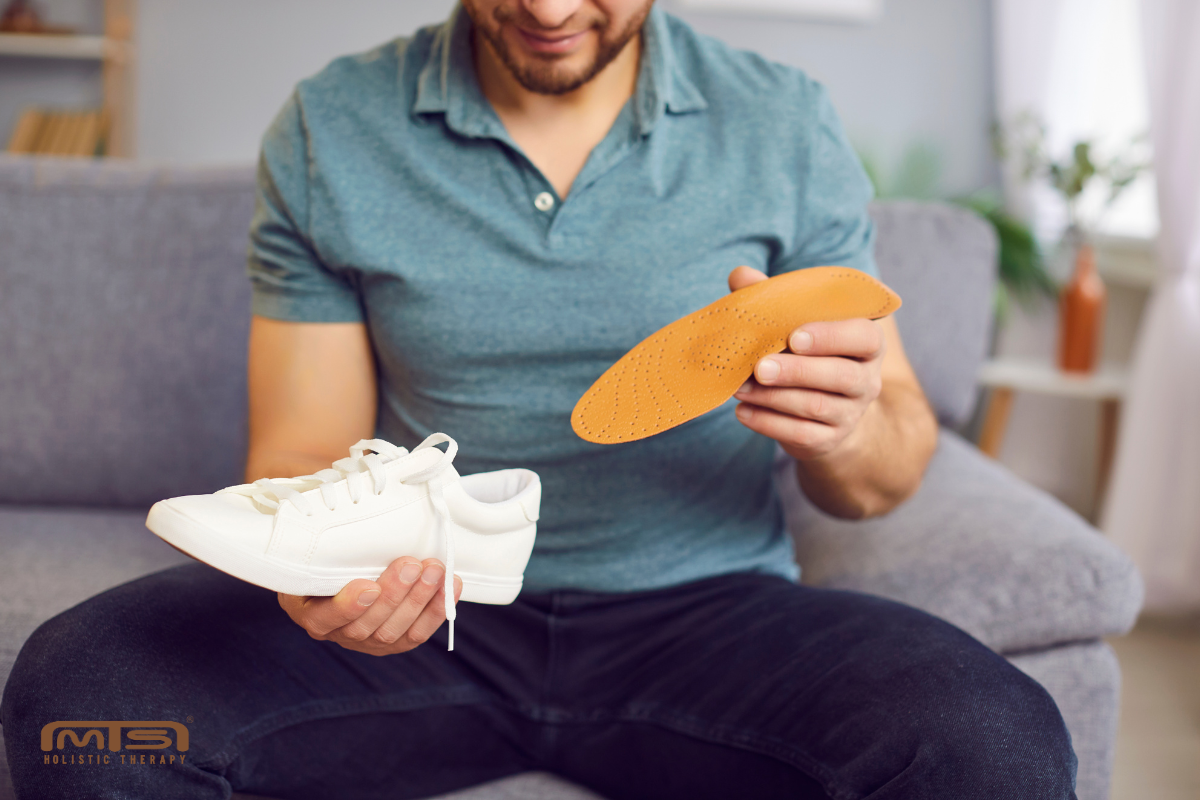
They are high-tech orthopaedic tools that support the natural movement of the foot, rather than restricting it. Unlike traditional orthotics, which provide soft support, dynamic orthotics are individually designed based on a biomechanical analysis of the individual person. Their aim is not to immobilise the foot, but to improve its function and restore normal movement patterns.
The main difference between dynamic orthotics and standard orthotics is the way they affect the musculoskeletal system. Regular orthotics often just mask the symptoms of pain. Dynamic orthotics, on the other hand, work with the body - activating muscles, stabilising joints and affecting the entire kinematic chain of the lower limb.
How do dynamic orthotics work?
They work by controlling and directing the movement of the foot during gait or running. They are made of variable stiffness materials that respond to the pressure and movement of the foot in real time. This allows for micro-movements within the foot that follow the natural biomechanical movement pattern.
The main function of dynamic insoles is to improve load distribution, correct foot alignment and stimulate the muscles responsible for stabilising the knees and hips. What is more, their appropriate design influences the alignment of the pelvis and spine, making them a tool not only for people with foot pain, but also with problems in other parts of the body.
Dynamic insoles - who are they for?
Dynamic insoles are particularly recommended for people experiencing chronic pain in their feet, knees, hips or lower back, which is not caused by obvious injuries. Often, this pain is caused by overloading and incorrect movement patterns resulting from asymmetrical positioning of the lower limbs or incorrect muscle work.
They are also ideal for athletes! Both amateurs and professionals - who want to minimise the risk of injury and improve the efficiency of their movements. Dynamic insoles are also recommended for children with posture defects, elderly people and workers who perform standing work for many hours a day.

Read also: Computerised foot examination makes it possible to assess, how the way you walk affects your spine and joints. This is the basis for analysing how your gait biomechanics work.
Fitting dynamic insoles - step by step
The process of making dynamic orthotics begins with a detailed biomechanical diagnosis. The specialist performs gait analysis, limb and pelvic alignment testing, muscle balance assessment and functional testing. All this is done in order to create an individualised movement profile for the patient.
Then, using specialised 3D scanners or plaster casts, we create a model of the foot from which we design dynamic insoles. The finished product is precisely fitted to the patient's shoes and tested under dynamic conditions, i.e. in motion. Often minor adjustments are necessary based on the patient's subjective feelings and the observations of the specialist.
Dynamic orthotics - clinical and subjective effects
Scientific studies and patient feedback confirm that individually fitted dynamic orthotics bring marked improvements in comfort and function. Reduced knee and foot pain, improved pelvic stabilisation, better posture and a smoother gait are just some of the benefits.
In many cases, an increase in muscle strength and a reduction in muscle tension in overloaded areas are also observed. Subjective feedback from patients indicates an increase in energy during daily activities, better balance and a reduction in feelings of fatigue after a long day. Importantly, these effects appear not only in people with serious orthopaedic conditions, but also in those who have suffered from non-specific pain.

Read also: Individual orthopaedic insoles promote correct foot alignment, relieve pressure on the joints and improve gait biomechanics.
It's more than comfortable!
Dynamic insoles are not a luxury gadget, but a viable form of exercise therapy. Their effect goes beyond the simple function of supporting the foot - it is part of rehabilitation and prevention at the same time. Thanks to their holistic approach to body biomechanics, they can alleviate ailments of which the patient was not even aware of the source.
At a time when lifestyles force us to stand for long periods of time, sit for long periods of time and often involve intense physical exertion, taking care of proper body mechanics becomes a necessity. Dynamic orthotics can be the key to better wellbeing, increased mobility and effective counteracting of overload.