

Kolanois extremely submitted razora, allowing on activities, suche such as standing, walking, sitting or standing up. At pains in it a huge percentage of people. As it turns out, knee pain mothat be a symptom of many diseases.
Why do we experience knee pain?
Knee joint it's part ofć of the musculoskeletal system, allowinga for efficient movement in an upright posture. Allows It moves, flexes and extends with a specific angular position of the limb. It is the strongestm pondem in our body and is built so as to be able to carry its weight. Z various reasons, the knee joint is one of the most commonly damaged joints.
As it turns out, even walking in high heels can contribute to damage in the knee. This is because this part of the body undergoes natural wear and tear with age. For example, a tendon rupture usually manifests itself through pain during activity of the damaged muscle, bruising and also a thickening at the site of the injury.
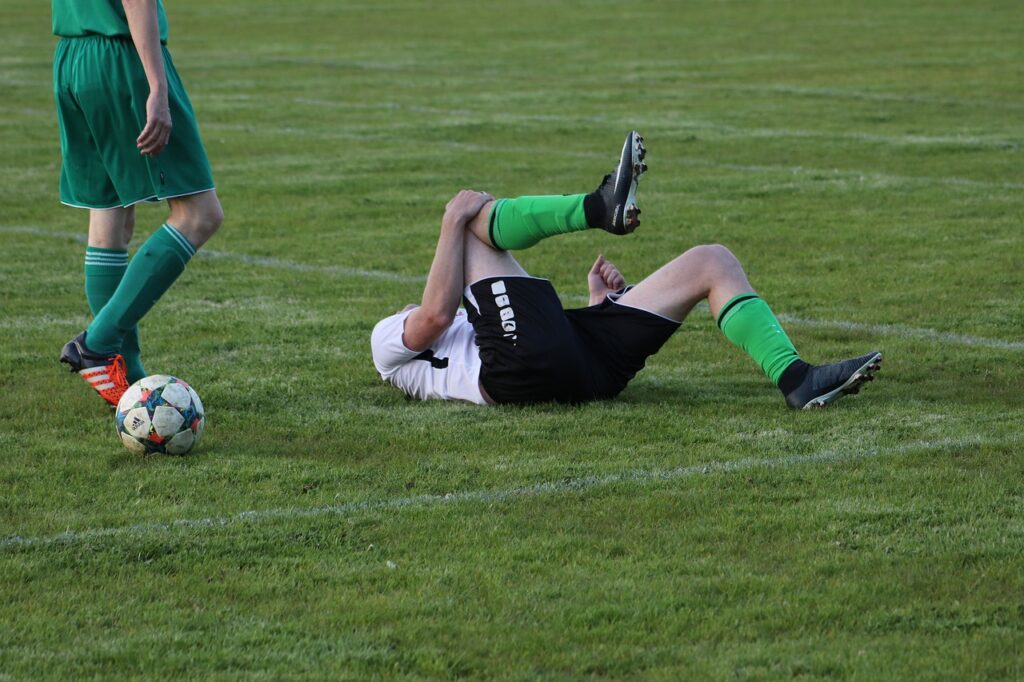
The knee is a very complex structure by which typically a faster rate of wear and tear on this structure. Painful knees are problemem those involved in sports due to for heavy loads of the knee joint, but also involve people who do not play sports. For in the latter Lack of, or too little, physical activity leads to a weakening of the muscles that no longer support the joint. It also contributes to overweight and carryingnot too muchych weightthat.
Knee pain - causes
The most common cause knee pain is inflammation caused by synovitis. Another reason can also be injuries, such as torsion, dislocationbut also chronic conditions such as the following. arthritis
We divide knee joint dysfunctions into congenital and acquired. Congenital include, among others.
- bent knees,
- valgus knees,
- anatomical abnormalities of the knee joint.
Nnabyte damage associated with są usually with traumaami. To most common belong:
- ligament ruptures,
- ligament ruptures,
- dislocation of the patella,
- fractures of the patella,
- knee sprains,
- dislocation, contusion of the knee,
- anterior cruciate ligament rupture ,
- Ruptured meniscus.
Other causes of knee pain may include pKnee strain which can be the result of heavy physical exertion or work that forces the knee joint.
Degenerative disease
Phe likelihood of developing osteoarthritis increases with age. Around 70 per cent of people over the age of 70, mostly women, suffer from the disease. Wis available at she as a result the ageing of cartilage tissue, but also as a result frequent overloading of joints under the influence of sports, running in inappropriate footwear overweight or obesity. Degeneration of the knee joint is associated with degeneration of the articular cartilage.
Other causes of knee pain are usually crheumatic diseases, cysta knee, so-called goosefoot, bacterial infections, sciatica and sometimes Lyme disease
Treatment of knee pain
Treatment of knee pain depends on its causes. It usually starts with the use of ointments, gels and plasters. Pof major injuries and at more advanced inflammatory processes, anti-inflammatory drugs are administered, and sometimes injectionues preparationy containing collagen or e.g. platelet-rich plasma. In the case of exudateu, highiej feveri and swellingu, the doctor may also prescribe antibiotici. Sometimes arthroscopy is also used to treat knee joint pain, blocking with the aid of steroids even surgical procedures.
Rehabilitation for knee pain
Jone of the most important steps in the treatment of knee pain is rehabilitation. The treatments and workouts used there are designed to improve the stability of painful joints by strengthening the muscles. ZThese should always be individually selected by a qualified physiotherapist. Through exercise, the muscles, tendons and ligaments at the kneecap are strengthened and the knee is therefore more resistant to injury. Pin knee pain are also effective treatments such as: cryotherapy, ultrasound, electrotherapy a sometimes electroplating.



