
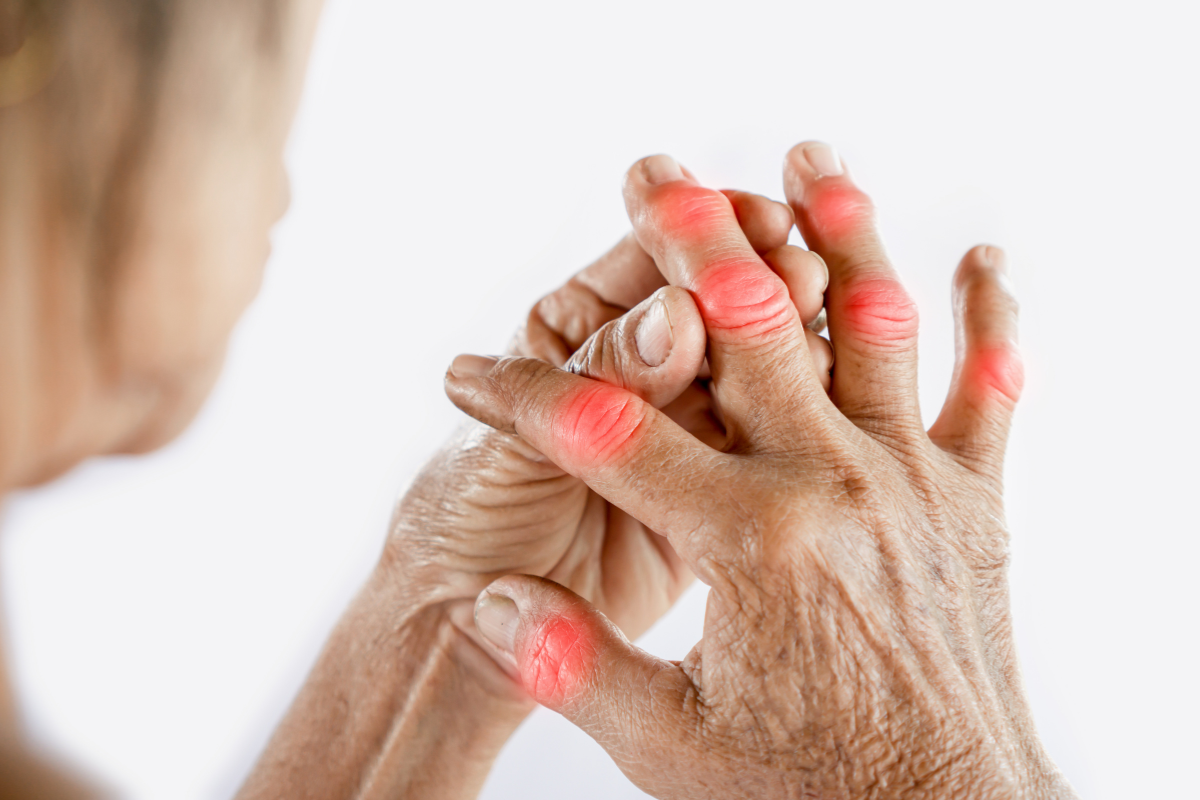
Gout is a chronic metabolic disease that continues to gain attention, both in a diagnostic and therapeutic context. It is characterised by an excessive accumulation of uric acid in the body. This in turn leads to its accumulation in the joints, causing pain and inflammation. It often affects middle-aged and elderly people, but can also occur in younger patients. What are treatment methods Gout and how physiotherapy can support the process of rehabilitation in this disease?
Symptoms and causes of gout
Gout is a condition that develops as a result of increased levels of uric acid in the blood, which leads to its crystallisation in the joints. Over time, these crystals cause severe pain, swelling and inflammation. They most often occur in large joints, such as the ankle, knee or toes. The first attacks of the disease can occur suddenly, causing severe pain that makes daily functioning difficult. Gout most often occurs as a result of poor diet, excessive alcohol consumption. It can also be caused by problems with the metabolism of purines, which are substances contained in certain foods.
Other causes include poor diet, obesity, and uncontrolled consumption of purine-rich foods. Such as red meat, seafood or alcoholic beverages. In addition, genetic factors may predispose to the development of this disease. Appropriate medical intervention and lifestyle changes can help control symptoms and prevent recurrent attacks.
Treatment of gout - the role of medication
The mainstay of gout treatment is the use of medications to reduce uric acid levels in the body. Medications such as xanthine oxidase inhibitors (e.g. allopurinol) are most commonly prescribed to prevent further accumulation of uric acid crystals in the joints. Pharmacological treatment is often supported by a change in diet, reduction of alcohol intake and the introduction of a more balanced lifestyle. Such measures aim to stabilise uric acid levels.
Although pharmacological treatment is the first step, it is not always enough to make the patient feel better in the long term. For this reason, other therapeutic approaches are also important in gout rehabilitation, including physiotherapy, which can help to relieve pain, improve joint function and prevent joint damage.
Physiotherapy in the treatment of gout
Physiotherapy plays an important role in the treatment and rehabilitation of patients with gout. It helps to reduce pain, restore joint function and improve quality of life. The basic elements of therapy are appropriate manual therapyrehabilitation exercises and physiotherapy treatmentssuch as cryotherapy, magnetotherapy or electrotherapy.
Manual therapy is one method that helps to relax tight muscles around the joints, which can provide relief from exacerbations of pain. Rehabilitation exercises, on the other hand, are essential to restore full joint function and prevent stiffness. For people with advanced gout who have difficulty moving, a tailored exercise programme can aid recovery and prevent further movement limitations.
Physical therapy treatments, such as magnet therapy, are another support for the treatment of gout. The magnetic fields used in magnetic therapy can help to reduce inflammation in the joints, speeding up the healing and regeneration processes of the tissues. This is particularly helpful during exacerbations of the condition, when joints are painful and swollen.
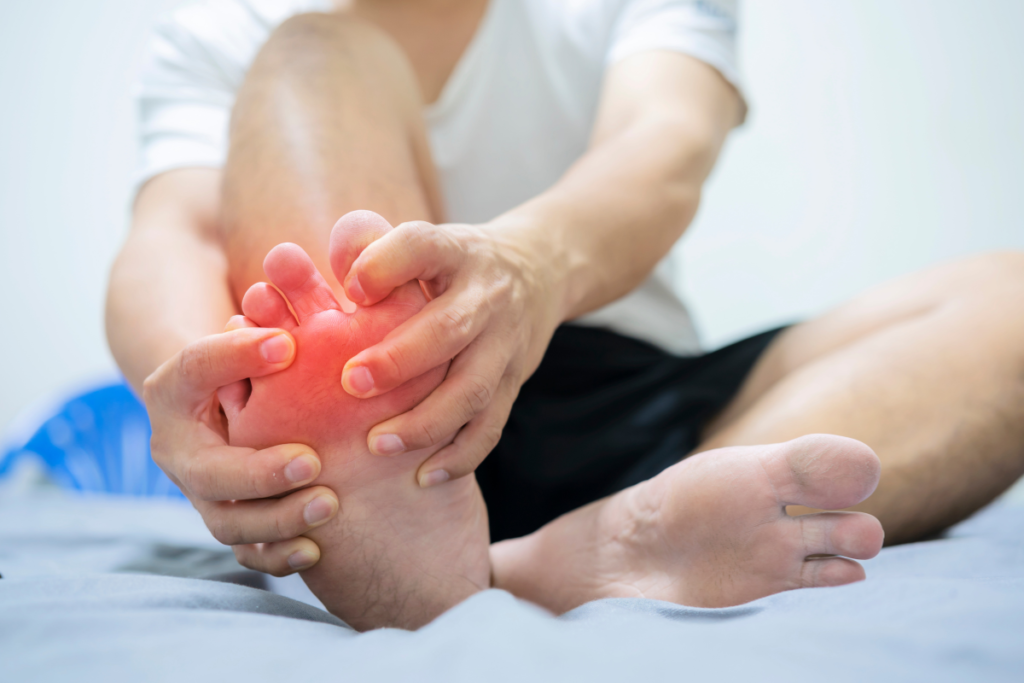
Physical therapy as an adjunct to pharmacological treatment
Physical therapy is also an effective adjunct to drug treatment, speeding up patients' rehabilitation. Often, after an acute attack of the disease, patients may struggle with limited joint mobility, which significantly impedes daily functioning. The regular use of physiotherapy treatments can gradually restore full function and improve quality of life. Treatments such as ultrasound and heat therapy help to reduce pain and also improve circulation in the affected joints.
Diet and lifestyle as part of treatment
In addition to pharmacological and physiotherapeutic therapies, lifestyle changes are no less important in the treatment of gout. An appropriate diet rich in products low in purines, regular physical activity and avoidance of alcohol can significantly reduce the symptoms of the disease. The diet should include plenty of vegetables, fruit, whole grains and low-fat protein sources to help maintain normal uric acid levels.
Regular exercise, such as swimming, walking or yoga, helps to maintain body weight and promote joint health. It is important to avoid putting too much strain on the joints during bouts of the disease, but once they have subsided, introducing physical activity allows for a quicker recovery.



