Choosing the right sport for a child is one of the most important decisions that will affect their health and development later on. Nowadays, children are spending more and more time in a sedentary position. Whether at school, at the computer or with a phone in their hand. This is why it is so important to make physical activity part of their daily lives. Sports not only help to maintain a healthy weight. They influence physical development, especially of the spine, joints and bones. How do you choose the right sport for your child's age and needs, taking into account issues related to the development of the musculoskeletal system?
Why should sport for your child be important?
Children undergo a number of changes in their skeletal and muscular systems during the growth period. During this time, not only does their body weight increase, but also the structure of their bones, joints and muscles is formed. Proper physical activity supports these processes, ensuring proper development and preventing health problems that may occur in the future.
Regular exercise improves posture, strengthens the muscles that stabilise the spine and increases the flexibility and mobility of the joints. This is particularly important in the context of a growing child, as physical activity helps to maintain a healthy spine and prevent postural problems such as scoliosis or kyphosis. Sport also affects the condition of the bones, which are particularly susceptible to various injuries during childhood and adolescence.
The role of the spine in child development
The spine plays a key role in a child's normal development and its structure changes with age. In infants, the spine is 'C' shaped and it is only over time, as the child grows and learns new skills, that a natural curvature is formed in the cervical, thoracic and lumbar sections. It is important that the child's physical activity supports this process and does not interfere with the correct posture.
Sports that promote spinal stabilisation and the development of deep muscles (i.e. those responsible for maintaining posture) are highly beneficial. Activities such as swimming, gymnastics or yoga engage all parts of the body, strengthening the postural muscles that stabilise the spine. In addition, regular exercise reduces the risk of lumbar and cervical strain, which can lead to back pain, especially during periods of intense growth.
Sport for your child and bone and joint development
Physical activity also affects joint and bone health. Children who participate in sports that require a lot of physical activity, such as running, skipping or cycling, have better bone density, which reduces the risk of osteoporosis in the future. However, the excessive intensity of some activities can lead to overloading of joints and ligaments, which can cause injuries.
It is worth remembering that balance is particularly important at a young age. When choosing sports, it is important to avoid activities that cause excessive stress on the joints, especially for children who are just developing their bone structure. Examples include high-intensity sports such as basketball or football, which can lead to knee, foot or ankle injuries if not performed with proper form.
On the other hand, sports that engage the whole body, improving balance and motor coordination, will support the correct development of joints and bones. Swimming, yoga, tennis or cycling are ideal choices to help develop fitness and also improve joint stability.
Which sport to choose?
In order to choose the right sport for your child, it is useful to take into account his or her age, activity level and possible health problems. Here are some suggestions for sports that support the development of the spine, joints and bones at different ages.
Swimming is one of the best sports for children of all ages. Water supports the body, reducing stress on the joints while engaging all muscle groups. Swimming develops spinal flexibility, improves posture and increases endurance. In addition, it is a low-injury sport, meaning that the risk of injury is minimal.
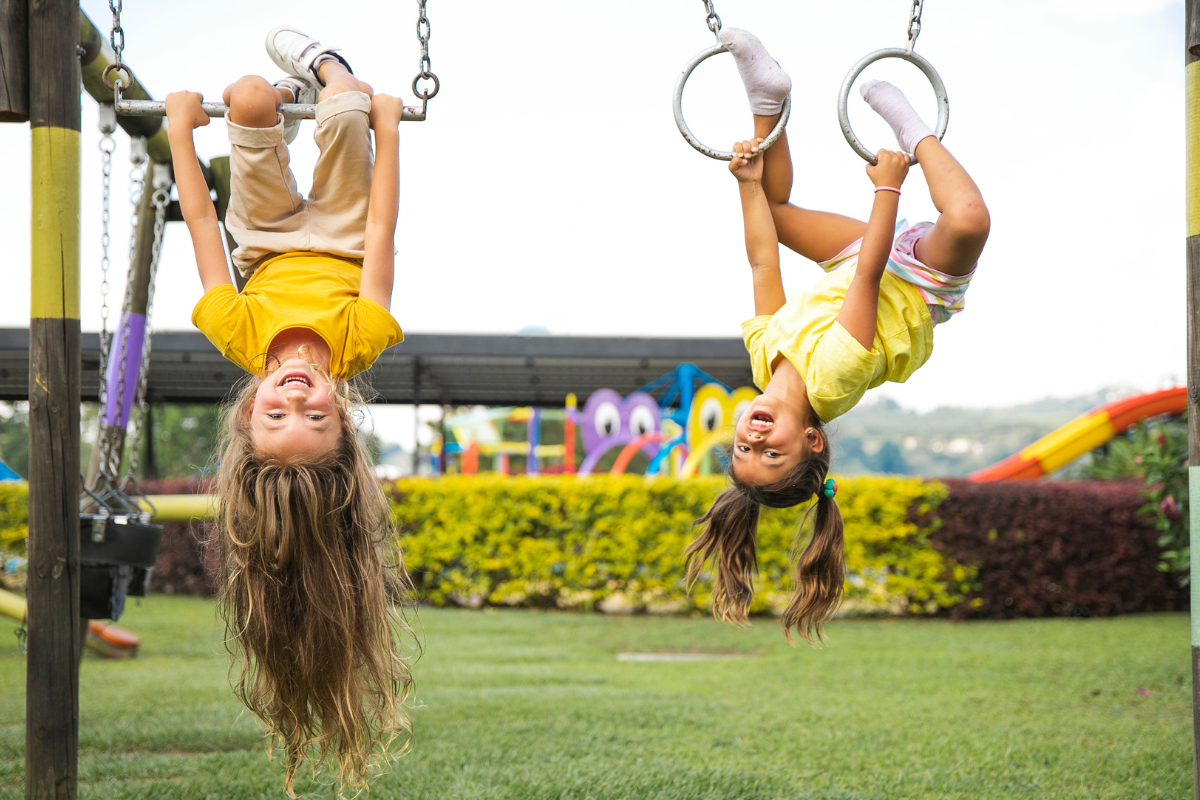
Gymnastics is a sport that promotes balance, coordination and flexibility. Gymnastic exercises improve posture, strengthen the muscles that stabilise the spine and develop muscle strength. It is worth noting that gymnastics is very versatile - it engages all muscle groups, which is especially important during the period of intensive growth.
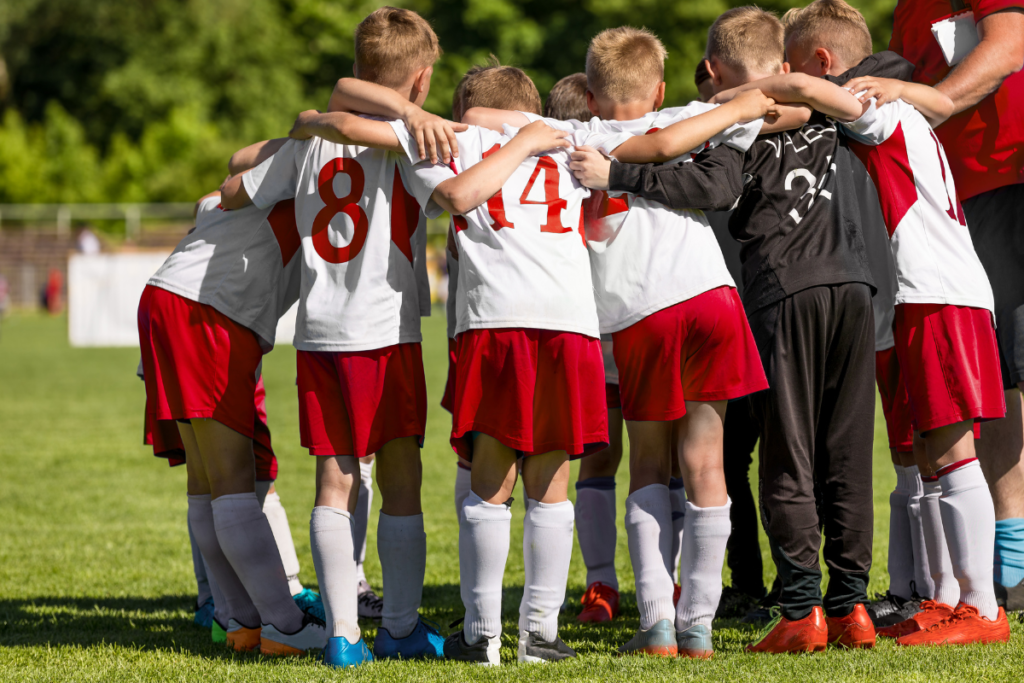
Team sports such as football, volleyball or basketball are great choices for children. Not only do they promote physical development, but they also teach cooperation, communication and responsibility. Playing on a team allows a child to develop social skills, shapes the ability to work as part of a team. It teaches how to deal with emotions, both in situations of victory and defeat. From the physiotherapeutic point of view, these sports engage many muscle groups, improve coordination, agility and endurance. They support joint and bone development through dynamic movements such as running, jumping and changing directions. Although they may involve a higher risk of injury, proper technique, warm-up and supervision by a coach reduce this risk, and the benefits of group activity are immense.
Cycling is a low-intensity activity which influences the development of joints and muscles and at the same time does not put too much strain on the child's body. Regular cycling strengthens leg muscles, improves the condition of the spine and increases endurance.