
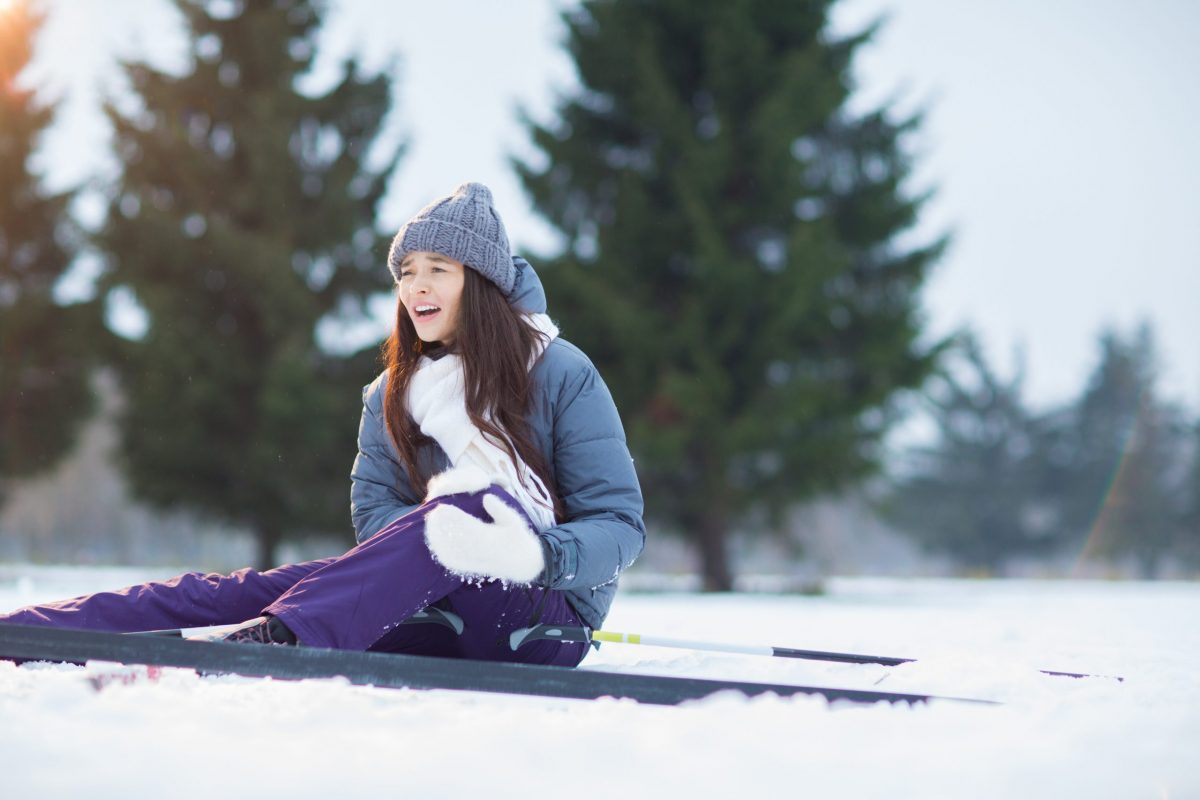
Skiinglike many other sports, carries the possibility of injury. They most often occur to people between the ages of 24 and 35 and to teenagers. Risk factors include little experience on the slopes, a high BMI, a high level of difficulty on the slopes and insufficient preparation for skiing. A body prone to rapid fatigue, loss of concentration and weak muscles can result in a dream holiday ending in hospitalisation. So what can we do to avoid this?
What are the most common injuries in skiers?
Injuries to ski enthusiasts are largely the result of a lack of preparation for skiing. They mostly affect the ligaments of the knee and are caused by a fall during which the boots did not buckle. In addition, there are also sprains or dislocations of the joint, bone fractures or ruptured or even crushed meniscus. Common injuries also occur in the calf and foot - rupture of the gastrocnemius muscle, sprain and fracture in the ankle joint.
In contrast, the most common upper limb injuries include rotator cone injury, anterior subluxation of the shoulder joint, shoulder-clavicular joint sprain, clavicle fracture and fracture of the proximal humeral epiphysis. The 'skier's thumb' and wrist injuries are also popular. The torso, hips and thighs and lower legs are another area where many winter sports enthusiasts suffer injuries. The most serious injuries, however, undoubtedly include spinal and head injuries.
What should be the correct preparation for skiing?
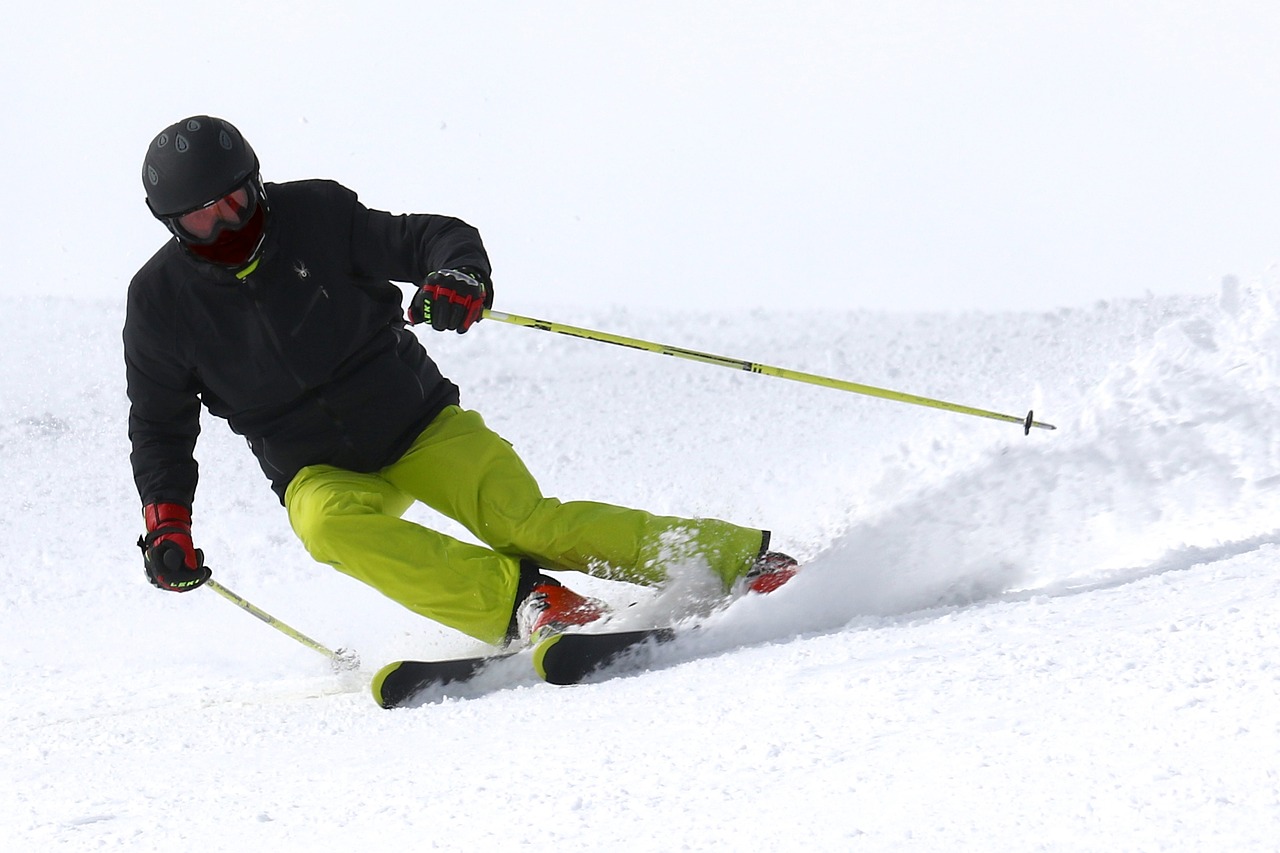
More than half of all skiers suffer injuries during the first two days of a skiing holiday. To protect yourself from them, it is important to remember to prepare properly, relevant exercises, clothing and well-chosen equipment.
Adequate preparationowanie for skis pre-season:
- reduces the risk of injury and trauma,
- helps to achieve the driving technique,
- enables longer, more intensive rides,
- increases the enjoyment of sport,
- helps to lose weight,
- reduces the risk of joint and muscle strain.
You should start training at least six weeks before your planned departure. This will give our muscles, joints and ligaments the opportunity to prepare for skiing. This should consist of exercises to strengthen specific muscles, balance and stretching. It is also essential that we remind ourselves of our skiing techniques and how to fall. Among the recommended exercises that are best carried out in preparation for skiing, trainers mention squats, sit-ups, squats, arm and leg extensions, scissors. and doing squats on one leg. On the other hand, general body conditioning is improved by popular aerobic exercises: swimming, cycling or horse riding. The first training sessions should last about 20 minutes and should gradually be extended.
Before you go skiing, you should also think about preparing your equipment, paying attention to your helmet, poles and the skis themselves, which also need to be properly prepared. Therefore, before you set off for the slopes they should be properly lubricated, have their edges sharpened and their bindings balanced and adjusted.
Let's also remember the right ski clothing, which should be of good quality.
How to behave on the slopes?
On the first day on the slopes, take enough breaks, and ski on easier slopes and finish the activity in the early afternoon. A warm-up before the first run is equally important. This allows your body to get used to the altitude as well as the demands. If you notice that you feel insecure after the first few runs, it is worth taking a ski course. A helmet should also not be forgotten.
One of the most common causes of falls and collisions when skiing is inattention. This is why you should always take breaks while skiing, eat a snack that is not too hearty and drink enough - to ski with more concentration.
, .
.



