
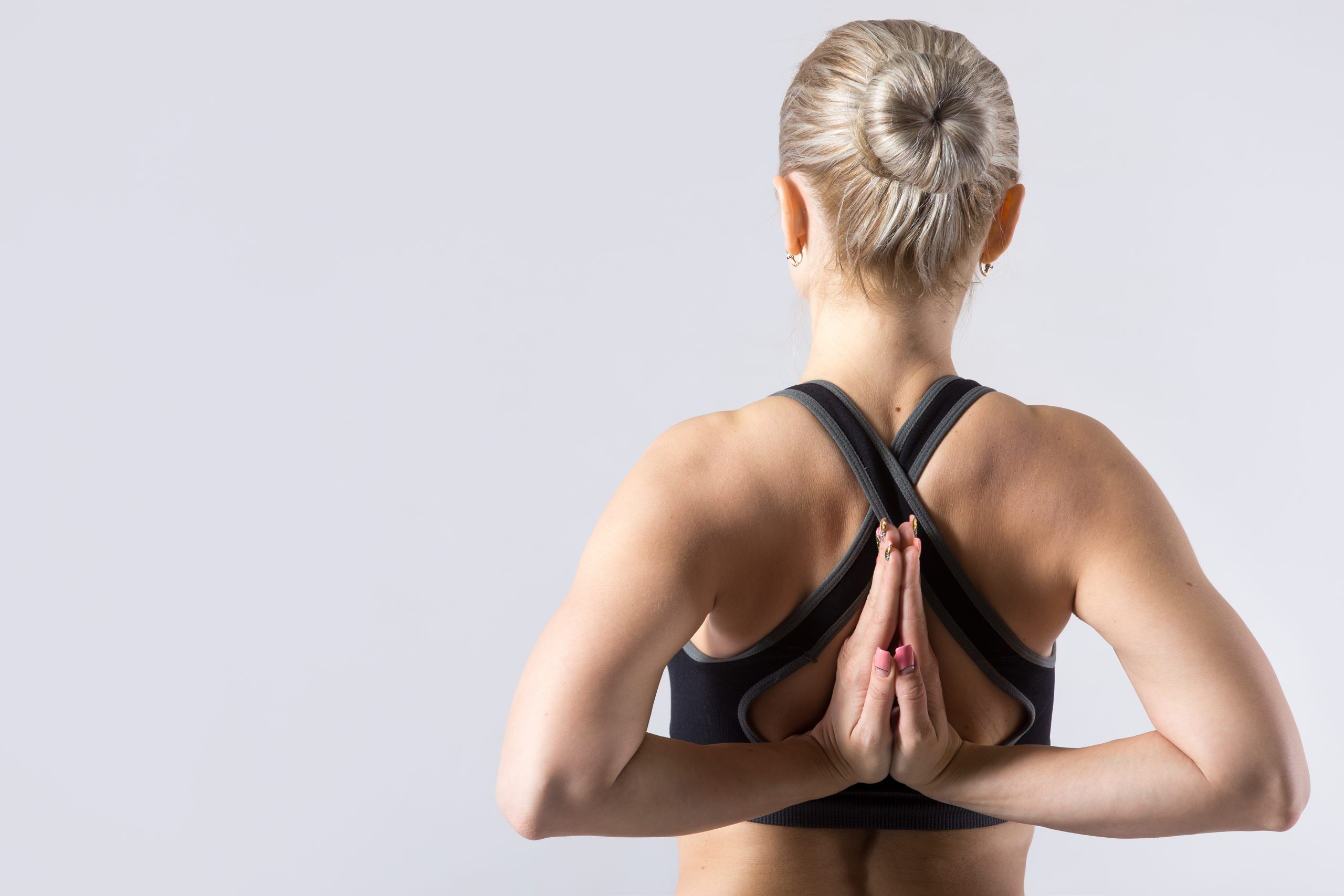
Postural defects are abnormal postures that differ from physiology. Sometimes we are born with them, in which case they are congenital defects, or they develop in the body's structure during our lifetime. Then we speak of acquired defects. Postural defects are sometimes more and sometimes less visible. They can cause pain and sometimes even cause difficulty in moving.
What postural defects can occur in adults and can they still be corrected?
Who is affected by postural defects?
Although postural defects are most often discussed in the context of children and adolescents, a large proportion of the population suffers from them. Postural defects in adults are characterised by body asymmetry and pain that is visible to the naked eye. They are also accompanied by frequent respiratory and circulatory complications.
Postural defects, in adults, are usually the result of an inadequate lifestyle as well as neglect from youth. Although the correction of defects in adults is more difficult than in children, this does not mean that it is impossible. Properly selected exercises and regularity in their performance, as well as changing bad habits, can bring positive results. It is also important to undertake regular physical activity.
Postural defects - the most common symptoms
Common symptoms of postural defects include.
- excessive hunching,
- shoulders extended forwards,
- asymmetrical blade positioning,
- Lateral curvature of the spinal line,
- sunken chest
- a distended abdomen.
Causes of postural defects
Postural defects are most often influenced by:
- prolonged sitting in one position,
- too little exercise,
- inappropriate clothing and uncomfortable or inappropriate footwear,
- carrying heavy objects or bags.
Sitting for long periods of time at a desk that is poorly adapted to the size of the body can often be the cause of postural defects. They are also affected by carrying heavy bags over one shoulder. Sometimes a history of serious illness is also involved. The causes of postural defects usually have to do with regular maintenance of poor posture, which causes deformation of the posture.

What are the most common postural defects?
Although postural defects are most often related to the back, they can also affect the lower limbs, feet and chest. Most commonly among postural defects we can distinguish:
- Spinal defects such as round back, concave back, round-concave back, scoliosis and flat back,
- Chest defects, chicken chest, funnel chest,
- lower limb deformities. Foot and whole lower limb disorders including: flat feet, clubfoot, flat-legged foot and other lower limb deformities.
Postural defects - treatment and rehabilitation
The treatment of postural defects is a long process. It may require the cooperation of specialists from many fields: an orthopaedist, physiotherapist and sometimes an ophthalmologist and podiatrist.
The most important element in the treatment of postural defects is rehabilitation, which should be based on the implementation of various corrective exercises. For these, it is advisable to seek the help of a physiotherapist or a physical therapist or osteopath.
Special massages have been developed for people with spinal or lower limb defects. Physical therapy treatments such as thermotherapy, electrostimulation or shock waves are also helpful. Manual therapy and kinesitherapy, consisting of movement therapy, also works well. This can involve passive exercises, stretching and the use of specialised equipment such as rehabilitation/resistance rubbers, weights and medical balls.
Rehabilitation of postural defects in adults should include:
- customised orthopaedic insoles,
- properly selected exercises,
- manual therapy,
- kinesiotaping,
- massage,
- dry needling,
- pinotherapy,
- the physical therapy treatments mentioned earlier.

What are the main indications for postural defect therapy in adults?
Physiotherapy helps people with postural defects through prevention, correction of postural defects, alleviation of disease symptoms and general improvement in the functioning of the whole body. Indications for starting it may be:
- balance and coordination problems,
- problem with appropriate levels of muscle tone,
- foot defects,
- thoracic and lumbar scoliosis,
- protruding shoulder blades,
- flat, round, concave or round-concave back,
- valgus and bony knees,
- Bunion and valgus feet.



